Events
Link to: Ellen L. Stovall Award
Ellen L. Stovall Award
for Innovation in Patient-Centered Cancer Care
NCCS is now Cancer Nation. Find out more about our next chapter. Join Us
for Innovation in Patient-Centered Cancer Care
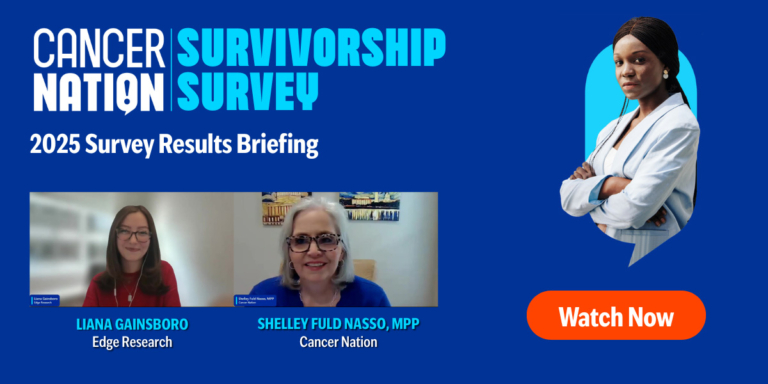
Hear the results of our 2025 Survivorship Survey. Cancer Nation worked with Edge Research to conduct our seventh annual nationwide survey of cancer survivors, exploring their experiences living with, through, and beyond cancer. Cancer Nation uses this survey to turn lived experience into action by demanding the policies and care survivors need to truly thrive.
New areas we explored in this year’s survey include:
Cancer Nation CEO Shelley Fuld Nasso and Edge Research Senior Research Analyst Liana Gainsboro present the survey findings in a web briefing.
Cancer Nation’s Webinar Series presents “Navigating CAR T-Cell Therapy: Your Journey to Recovery,” a conversation about the journey of CAR T-cell therapy and how the treatment is providing new options for care.
CAR (short for chimeric antigen receptor) T-cell therapy uses an engineered version of a patient’s own white blood cells to target and attack cancer cells. Currently, the therapy is only available to those diagnosed with certain blood cancers. In this presentation, we explore the treatment process for this immunotherapy and help equip cancer patients and caregivers with the knowledge to have informed discussions with their health care providers.
This fireside chat features Arnoldo Rodriguez, M.Ed., a cancer survivor from Texas. He shares his personal experience with choosing to participate in a CAR T-cell therapy clinical trial, addresses navigating the process, and provides insight into the recovery.
La serie de seminarios web de Cáncer Nation presenta “Navegando la terapia de células T con CAR: su camino hacia la recuperación”, una conversación sobre el recorrido de la terapia de células T con CAR y cómo el tratamiento está brindando nuevas opciones de atención.
La terapia de células CAR T (abreviatura de receptor de antígeno quimérico) utiliza una versión modificada de los glóbulos blancos del propio paciente para atacar las células cancerosas. Actualmente, esta terapia solo está disponible para personas diagnosticadas con ciertos tipos de cáncer de la sangre. En esta presentación, exploramos el proceso de tratamiento de esta inmunoterapia y ayudamos a los pacientes con cáncer y a sus cuidadores a tener conversaciones informadas con sus profesionales de la salud.
Esta charla informal presenta a Arnoldo Rodriguez, M.Ed., un sobreviviente de Texas. El comparte su experiencia personal al elegir y participar en un estudio clínico de terapias con células de CAR T, cómo navegar este proceso y ofrece información sobre la recuperación.
August 26, 2025
Clinical trials are the cornerstone of advancing cancer treatment, offering patients cutting-edge therapies while contributing to critical research. However, effective communication between patients and oncologists is essential to ensure understanding, participation, and optimal outcomes.
In Cancer Nation’s 2024 State of Survivorship Survey, participation in clinical trials remains consistent, with key drivers being the doctor’s recommendation (51%) and the prospect of access to new treatments (28%). Among patients who did not participate in clinical trials, 74% of patients said that they were not asked, which remains the largest barrier. Patients also cited concerns about side effects, treatment protocols, and location as secondary barriers, with these concerns being more prominent among younger patients and patients of color.
This webinar discusses the role of communication in clinical trial participation. Viewers will gain insight into how communication can influence trial participation, improve patient understanding, and address concerns such as eligibility, side effects, and informed consent. Viewers will also learn about resources related to clinical trial participation available to oncology professionals and their patients.
Featured speakers for this presentation:
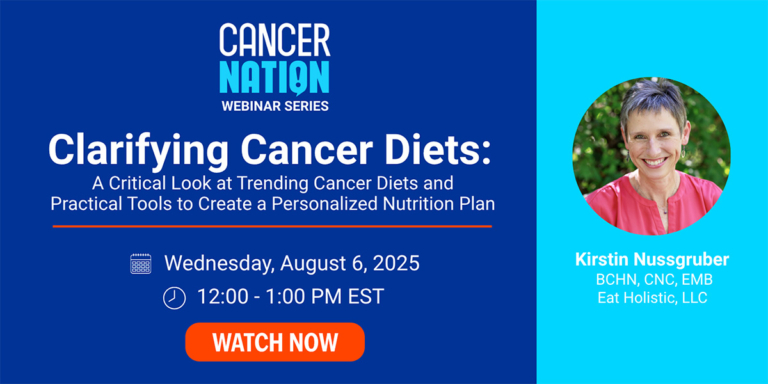
August 6, 2025
Cancer survivors often find themselves confronted with trying to navigate through the maze of confusing and contradictory nutritional approaches in cancer care.
Cancer diets may concentrate on specific cancer-fighting nutrients, inflammation reduction, overall quality of life, and adequate nourishment to deal with debilitating and lingering treatment side effects. However, dealing with a cancer survivor’s nutritional needs raises many questions:
In this webinar brought to you by Cancer Nation, cancer nutrition expert and author Kirstin Nussgruber tackles these common questions from a practical, evidence-informed perspective. The presentation takes a critical look at the ketogenic, low-carbohydrate, and plant-based diets, as well as intermittent fasting.
Viewers will walk away with the ability to make informed decisions and obtain practical tools to help them create a personalized nutrition plan best suited to their needs.
April 29, 2025
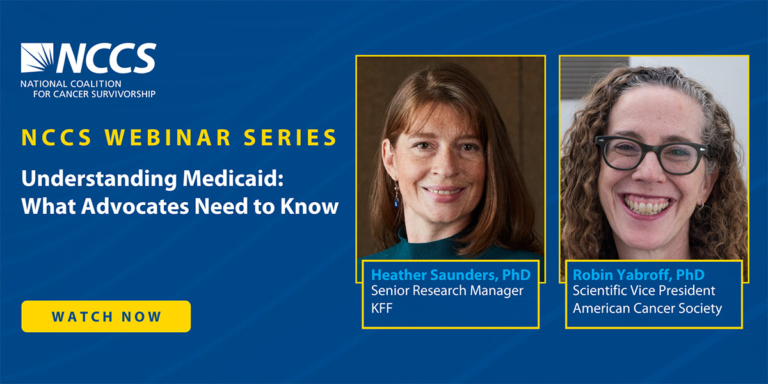
Designed for cancer survivors, caregivers, and health care professionals, this session sheds light on Medicaid’s critical role in providing health coverage to 74 million Americans, including cancer survivors and their families.
During this educational webinar, we explore the essentials of Medicaid, including what it is, who it covers, and how it is financed. Viewers will gain insights into Medicaid’s importance in addressing health disparities and supporting cancer patients.
Robin Yabroff, PhD, Scientific Vice President at the American Cancer Society, and Heather Saunders, PhD, Senior Research Manager from the Kaiser Family Foundation, provide an overview of Medicaid’s structure, its importance for cancer survivors, and the potential consequences of funding cuts on access to care for the cancer community.
This webinar is an essential resource for anyone seeking to deepen their understanding of Medicaid’s vital role in the U.S. health care system.
December 5, 2024
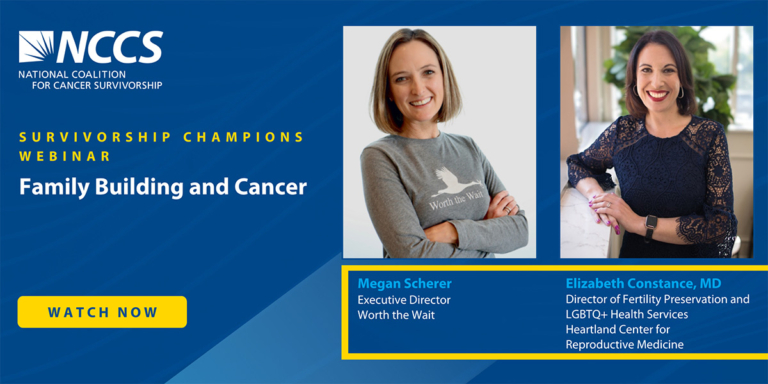
The National Coalition for Cancer Survivorship (NCCS) presented the webinar “Family Building and Cancer,” for an audience of health care professionals, cancer survivors, and caregivers alike. Being diagnosed with cancer at a young age could mean your future fertility is at risk. During this educational webinar for cancer patients and their care teams, we discussed what young cancer patients need to know about fertility preservation and building a family in survivorship, including non-traditional methods like adoption, surrogacy, and embryo donation.
Dr. Elizabeth Constance, a reproductive endocrinologist, presented information about fertility preservation and how to build a family in survivorship through assisted reproductive technology and more. Megan Scherer, co-founder and executive director of Worth the Wait, a charity supporting young adult cancer survivors, discussed financial and psychosocial resources and provide the basics on adoption and surrogacy for cancer survivors.
November 5, 2024
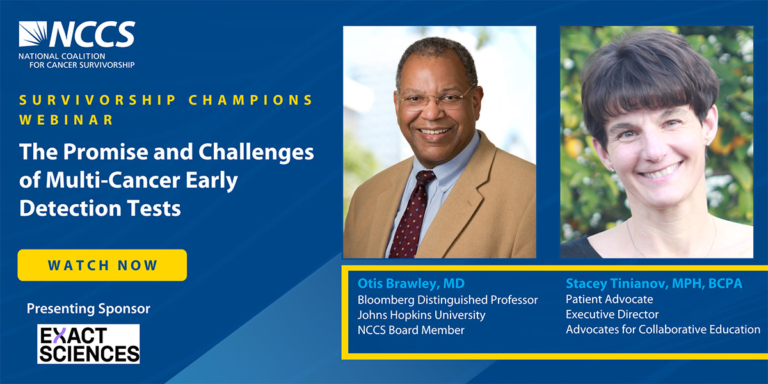
NCCS hosted an insightful webinar discussion exploring the groundbreaking field of multi-cancer early detection (MCED) tools. As advancements in technology and biology open new avenues for cancer screening, the potential to detect multiple cancer types at earlier stages is both promising and complex.
In this conversation, Dr. Otis Brawley brings his extensive experience in oncology, epidemiology, and public health to help us understand the current research questions related to multi-cancer screening, how MCED tools may fit into the broader picture of screening, and clinical implications of early detection strategies. Stacey Tinianov, MPH, a cancer survivor and passionate patient advocate who serves as Executive Director of Advocates for Collaborative Education, shares the cancer survivor perspective on how these tests will impact reducing cancer risk.
The webinar begins with a description of what an MCED is, what what it is not (see slide below), followed by a lively conversation between the speakers moderated by NCCS CEO Shelley Fuld Nasso.
Whether you’re a health care professional or researcher, this webinar will equip you with the knowledge to navigate the evolving landscape of cancer detection. Join us in this critical conversation about the future of cancer care.
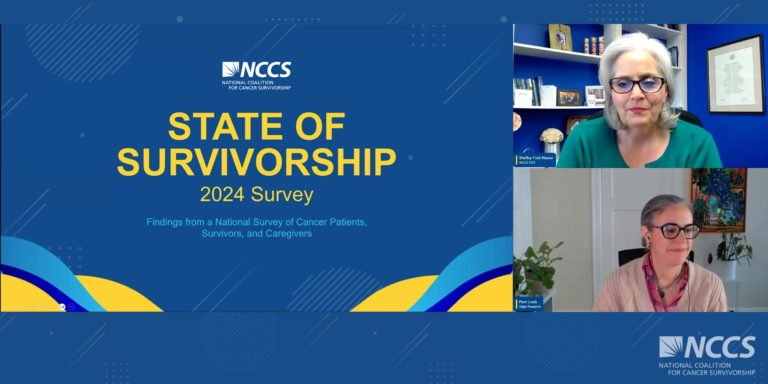
Hear the results of NCCS’s annual State of Survivorship Survey, a nationwide panel of cancer survivors and caregivers. With more than 2,100 participants, this report examines key areas such as treatment decision-making, post-treatment care, clinical trial participation, side effects, and financial burdens.
On October 30, NCCS hosted a web briefing to present the findings from the 2024 survey. Pam Loeb, Principal of Edge Research, and Shelley Fuld Nasso discussed the results in detail and took questions from an audience of survivors, health care professionals, researchers, and more. In the presentation, they highlight both the alignment and differences between caregivers and patients in their decision-making and satisfaction with cancer care. Our 2024 survey also introduced new questions, exploring reasons for participating — or choosing not to participate — in clinical trials, seeking second opinions, and experiences with survivorship care plans, among other topics.
March 14, 2024
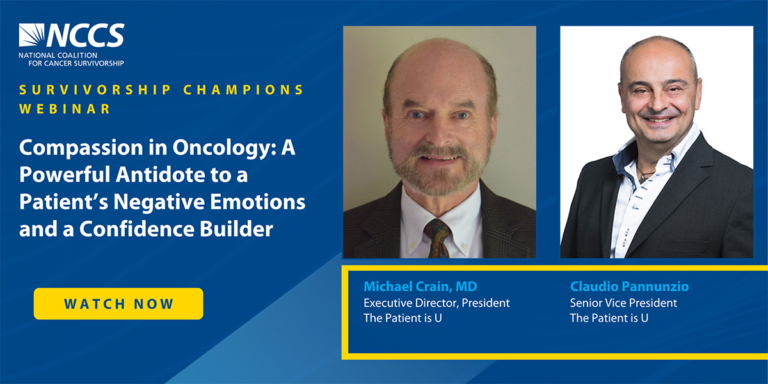
NCCS presents a webinar featuring Dr. Michael Crain and Claudio Pannunzio from The Patient is U. Their presentation explores the concept of “Empathy + Action = Compassion” and shares the benefits of compassionate care.
Compassionate care engenders three key meaningful results:
Cancer patients who educate themselves about their condition, medical intervention options, and potential outcomes are able to ask informed questions and make better decisions. Open communication and mutual respect between patient and caregiver foster a compassionate health care relationship. Care is at the heart of compassionate health care. It embodies the emotional connection, personalized attention, and holistic approach that are essential for creating a healing and supportive health care experience for patients.
At the conclusion of this webinar, participants will know that compassion is the driving force behind every interaction and decision in compassionate health care.
February 14
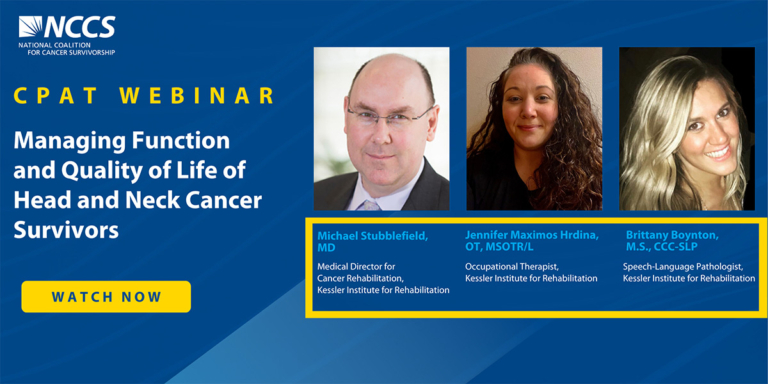
The treatment of head and neck cancer (HNC) often involves surgery, radiation, and chemotherapy. This treatment is critical for controlling or curing head and neck cancer. Though necessary, these treatments, particularly radiation therapy, can cause fibrosis (hardening) of the tissues, neck and face. This is known as radiation fibrosis. Radiation fibrosis can be painful and result in loss of neck movement, inability to open the mouth, trouble speaking, trouble swallowing, shoulder problems, swelling (known as lymphedema), and many other issues.
In this session, Dr. Michael Stubblefield of the Kessler Institute for Rehabilitation is joined by Speech Language Pathologist Brittany Boynton and Occupational Therapist Jennifer Maximos Hrdina, all of whom specialize in cancer rehabilitation. The team discusses how to know if you have radiation fibrosis, how medical professionals evaluate it, and importantly, how to treat it. NCCS CEO Shelley Fuld Nasso moderates a Q&A with the speakers after the presentation.
The goal of this session is to help you or your loved one with radiation fibrosis have the knowledge and tools to lead their best life.
January 31, 2024
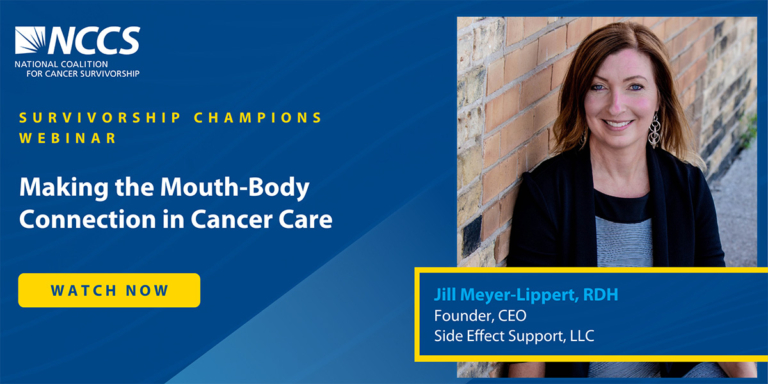
NCCS presents a Survivorship Champions webinar about oral care — an aspect of cancer treatment that is often overlooked. Oral side effects and untreated dental diseases can cause added pain, financial hardships, psychological distress, and a diminished quality of life for those being treated for cancer. Oral effects can also lead to complications or delays of therapies, which can compromise treatment outcomes. Oral changes may have a continued negative impact post-treatment.
In this webinar, Jill Meyer-Lippert, RDH, a longtime dental hygienist and founder of Side Effect Support, discusses the current evidence of oral-systemic links with various types of cancer and success stories of hospital-based oral health programs.
This presentation reviews potential oral side effects associated with various cancer treatments, as well as ways to prevent, delay, or reduce these complications by focusing on prevention and patient education. A focus on oral hygiene modifications and product recommendations will help us to empower our patients to make surprisingly simple changes to reduce their risks. We will discuss ways for the medical and dental teams to work together to provide optimal patient care.
After this course, participants will be able to:
January 17, 2024
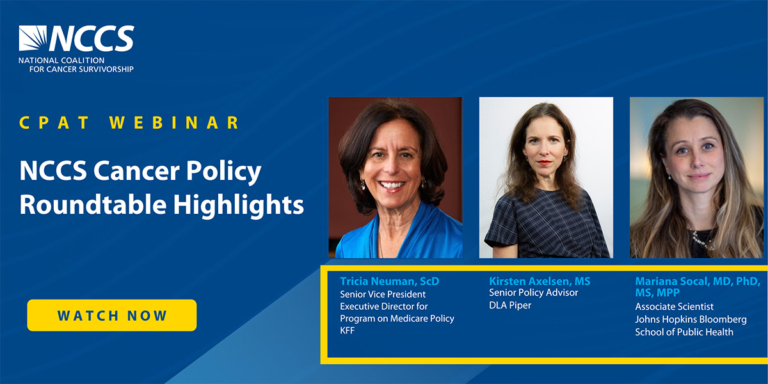
During our Fall Cancer Policy Roundtable in November 2023, NCCS hosted a compelling series of panels and guest speakers, discussing important issues in quality cancer survivorship care. As many of our CPAT members across the country were unable to join this in-person event, we wanted to provide highlights from the roundtable on two of the topics discussed: Medicare Advantage and the drug pricing provisions in the Inflation Reduction Act (IRA).
This 60-minute webinar consists of two sessions. In the first session, Dr. Tricia Neuman of KFF addresses the benefits and trade-offs of Medicare Advantage plans — which now cover more than half of Medicare beneficiaries — as well as ways the program could be improved to better serve cancer survivors. The second session features Kirsten Axelsen of DLA Piper and Dr. Mariana Socal of Johns Hopkins University, who discuss implementation of the IRA, including anticipated benefits for patients, as well as the possible implications for pharmaceutical research and development. NCCS CEO Shelley Fuld Nasso moderates the discussions and asks questions from the webinar audience.
December 5, 2023
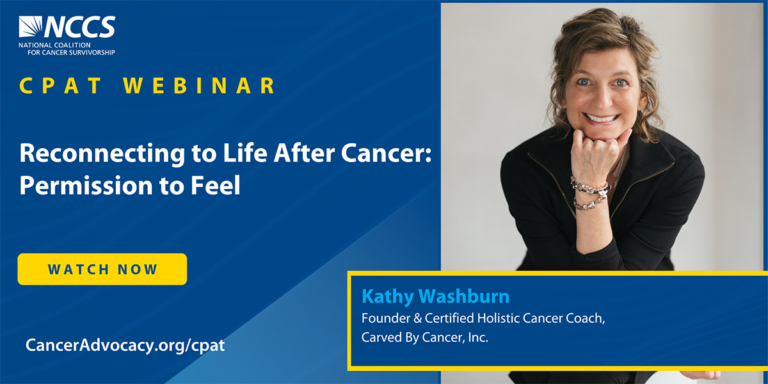
NCCS presents “Reconnecting to Life After Cancer: Permission to Feel,” a webinar featuring Kathy Washburn, a certified holistic cancer coach and cancer survivor.
In this webinar you will learn about the evolutionary function of both positive and negative emotions, understand that emotions offer data, and begin to practice awareness to empower you to respond — instead of react — to life.
As humans, we experience a constant inner stream of thoughts and feelings that serve a purpose — gauge safety and danger and set off reactions to both. Positive and negative emotions are not good or bad. They offer us unique data that we can learn to use in order to live with more ease and joy. Many of us learned to suppress our feelings, needs, and desires in service to others as a way that, at one time in our life, kept us safe, allowed us to cope with our surroundings. As we move through life, these old coping ways become maladaptive. Repression as a behavioral pattern is one of many factors in cancer risk and cancer recovery. Chronically suppressing needs and feelings to accommodate others weakens our immune system leaving us vulnerable to dis-ease.
Note: This webinar is life coaching, not therapy, and may not be appropriate for those experiencing significant and persistent emotional challenges.
May 4, 2023
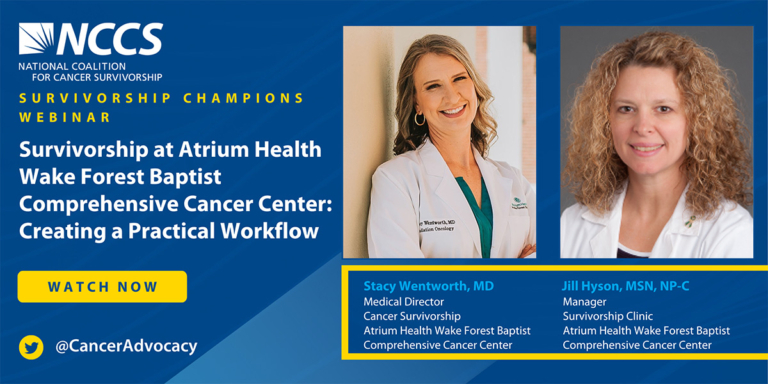
The National Coalition for Cancer Survivorship (NCCS) hosted a Survivorship Champions webinar about survivorship care implementation, “Survivorship at Atrium Health Wake Forest Baptist Comprehensive Cancer Center: Creating a Practical Workflow.” In this webinar, Dr. Stacy Wentworth and Jill Hyson, MSN, NP-C discuss survivorship care as a critical component of a patient’s cancer journey.
The presenters review the NCCN guidelines and the different models of survivorship care, including medical monitoring versus survivorship care. They also provide an overview of the Survivorship Program at Atrium Wake Forest Baptist Health Comprehensive Cancer Center. Jill Hyson, NP presents a case study on the Lung Cancer Survivorship Pathways and discusses the patient and provider workflow, best practices for managing moderate and severe distress, and referrals and orders.
This webinar is designed for health care and oncology professionals seeking to improve their knowledge and skills in survivorship care. Watch below and learn practical strategies for providing quality survivorship care to your patients.
Jill Hyson, MSN, NP-C is a master’s prepared Adult-Gerontology Primary Care Nurse Practitioner with 7 years’ experience as an advanced practice provider. She has 25 years of nursing oncology experience across multi-specialty areas. For the past 5 years, my primary focus has been in lung cancer including survivorship. She is the manager of the survivorship clinic, and she is a part of the oncology support services team which includes dietitians, social workers, and patient navigators.
April 18, 2023
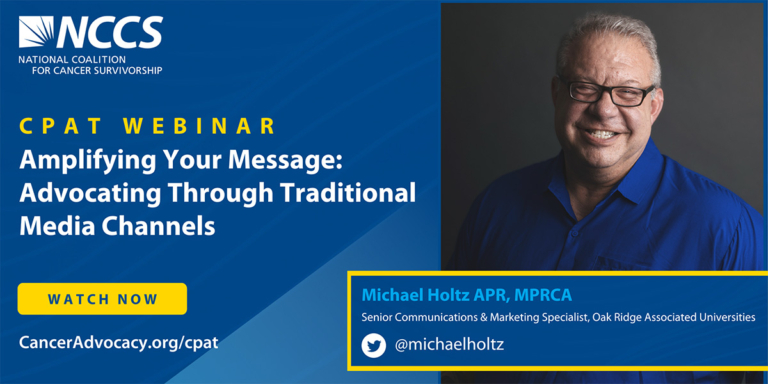
While social media is an important tool for amplifying cancer advocacy messages, traditional media outlets like newspapers, television, and radio, and their digital counterparts, are still relevant and can help raise awareness and put pressure on decision makers.
Drawing on his experience as a regional media advocacy director for the nation’s largest cancer nonprofit organization, as well as his current work as a volunteer for several organizations, Michael will share examples and best practices for working with and building relationships with the media.
In this webinar, you will learn how to make initial pitches to members of the media, get tips and tricks for getting coverage of events, and how to be prepared to share your story. Michael will also offer advice on the dos and do nots of media interviews and discuss the power of letters to the editor and op/eds for “giving legs” to advocates’ messages.
While this webinar will focus on amplifying the message of the survivorship legislation that we will advocate for at the CPAT Symposium, the information shared will benefit advocates who support any organization and their individual cancer journeys. Don’t miss out on this valuable opportunity to learn from an expert in the field and take your cancer advocacy efforts to the next level.
In his professional life, Michael is senior communications specialist for Oak Ridge Associated Universities, where he hosts Further Together and the ORISE Featurecast, two company podcasts, and leads the organization’s media relations and website content development work. Before joining ORAU, he was director of community assessment and health promotion for the Knox County (Tennessee) Health Department. Prior to KCHD, Michael worked for the American Cancer Society/ACS CAN for 12 years. In his last role before leaving the Society, he was regional director for media advocacy for ACS CAN’s South Region, where he provided strategic consultation and implementation of media tactics alongside advocacy staff managing campaigns across 14 states.
Michael is the author of It’s Not Harder Than Cancer: The Mindsets You Need to Survive and Thrive After Serious Illness. He is a speaker, writer, frequent media guest, and blogger at www.michaelholtzonline.com. Michael lives in Knoxville, Tennessee, with the lovely Sarah, his wife of 26 years, and their rescue dog, a Golden Bassett named Marley.
March 1, 2023
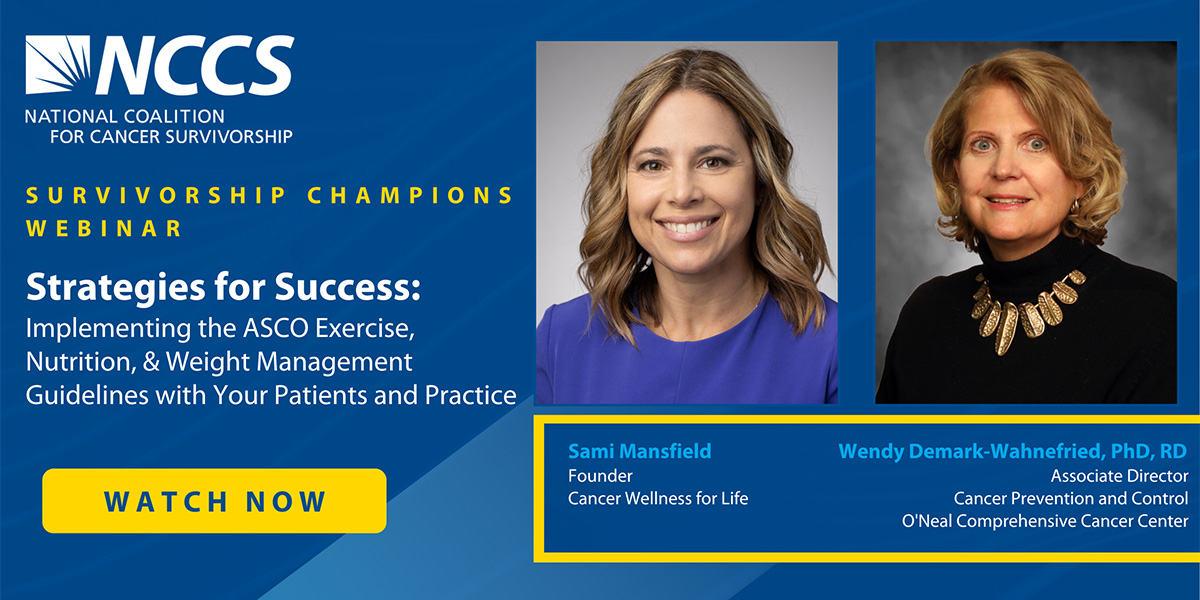
NCCS hosted a Survivorship Champions webinar discussing the American Society for Clinical Oncology’s (ASCO) Guidelines for Exercise, Nutrition, and Weight Management and how to best implement them in a clinical setting.
Sami Mansfield, founder of Cancer Wellness for Life, and Wendy Demark-Wahnefried, PhD, RD, a professor of nutrition sciences at the University of Alabama at Birmingham lead the discussion, presenting strategies for health care professionals to improve wellness for patients with a history of cancer. Their presentation reviews the ASCO Guidelines for Exercise, Nutrition & Weight Management as well as the key components of wellness.
Ms. Mansfield and Dr. Demark-Wahnefried also discuss:
Wendy Demark-Wahnefried, PhD, RD is Professor and Webb Endowed Chair of Nutrition Sciences at the University of Alabama at Birmingham (UAB) and also is Associate Director for Cancer Prevention and Control at the O’Neal Comprehensive Cancer Center at UAB. Her research ranges from determining mechanisms of action of nutrition-based therapies to developing and testing home-based interventions that are scalable, and which improve diet, physical activity and functional status among cancer survivors. To date, this research has been supported by 16 NIH grants and has resulted in over 300 peer-reviewed publications. Currently, her research teams are testing the impact of a vegetable gardening intervention among cancer survivors across Alabama, and a web-based diet (weight loss) and exercise intervention entitled AiM, Plan and act on LIFestYles (AMPLIFY) among older survivors of obesity-related cancers across the U.S. (https://amplifymyhealth.org/info).
February 14, 2023
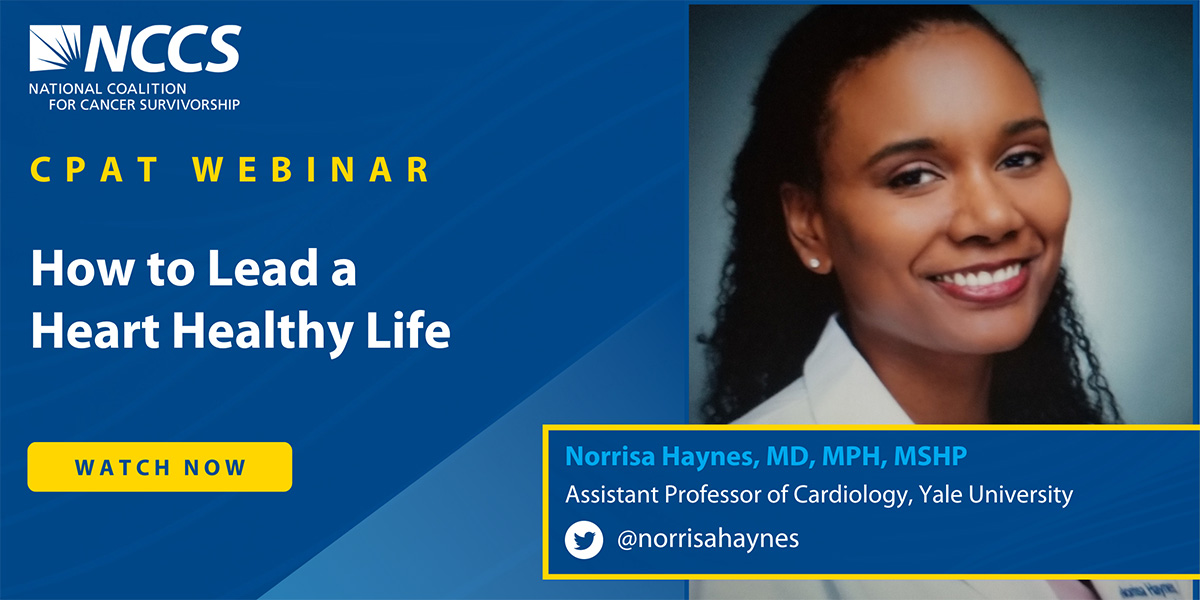
In this webinar hosted by NCCS, Cardiologist Dr. Norrisa Haynes of Yale University presents the basics of heart disease, including risk factors and the interplay between heart disease and cancer. Heart disease is still the leading cause of death worldwide, despite medical advancements, and can result from risk factors like high blood pressure, high cholesterol, diabetes, and obesity.
Dr. Haynes discusses cardiotoxicity, a common side effect of chemotherapy and radiation treatments that can result in heart disease. To manage cardiovascular risk factors, she suggests adopting heart-healthy lifestyle modifications, such as healthy eating, fitness, sleep, and blood pressure management.
The presentation also discusses disparities in cardiovascular mortality and access to health care. Individuals can reduce their risk of heart disease and improve their overall health and well-being by adopting heart-healthy lifestyle modifications and staying proactive in managing their heart health.
October 26, 2022
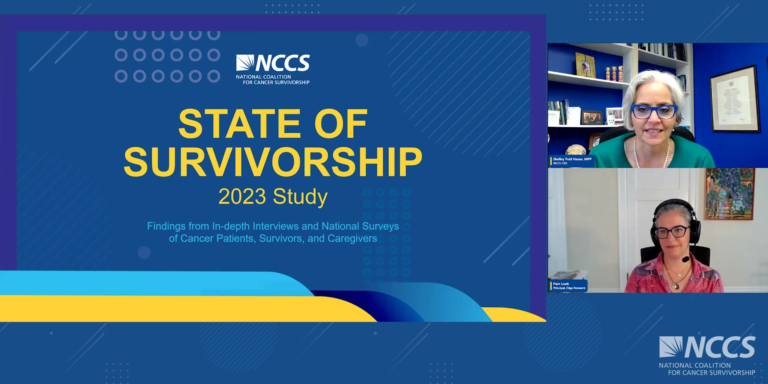
The National Coalition for Cancer Survivorship (NCCS) conducts an annual State of Survivorship Survey, in partnership with Edge Research, to delve into the cancer patient and survivor journey. This study captures a range of perspectives to better understand how NCCS can support its mission to advocate for quality cancer care for all.
The 2022 State of Survivorship Survey delves deeper into the cancer journey, measuring satisfaction across different points, including screening and diagnosis, treatment and care, and post-treatment care. Among other key findings, this year’s results reflect alarming misdiagnosis rates particularly in underserved groups and young adults, survivors reporting symptoms long after treatment, and disparities in the equity of and access to quality cancer care disproportionately affecting people of color, young adults, women, and individuals with metastatic cancer. Additionally, the number of respondents who experienced physical, emotional, and financial issues has increased significantly, especially when it comes to financial concerns.
NCCS hosted a web briefing to present the findings from the 2022 survey. Pam Loeb, Principal of Edge Research, and Shelley Fuld Nasso discussed the results in detail and took questions from an audience of survivors, health care professionals, researchers, and more.
October 12, 2022
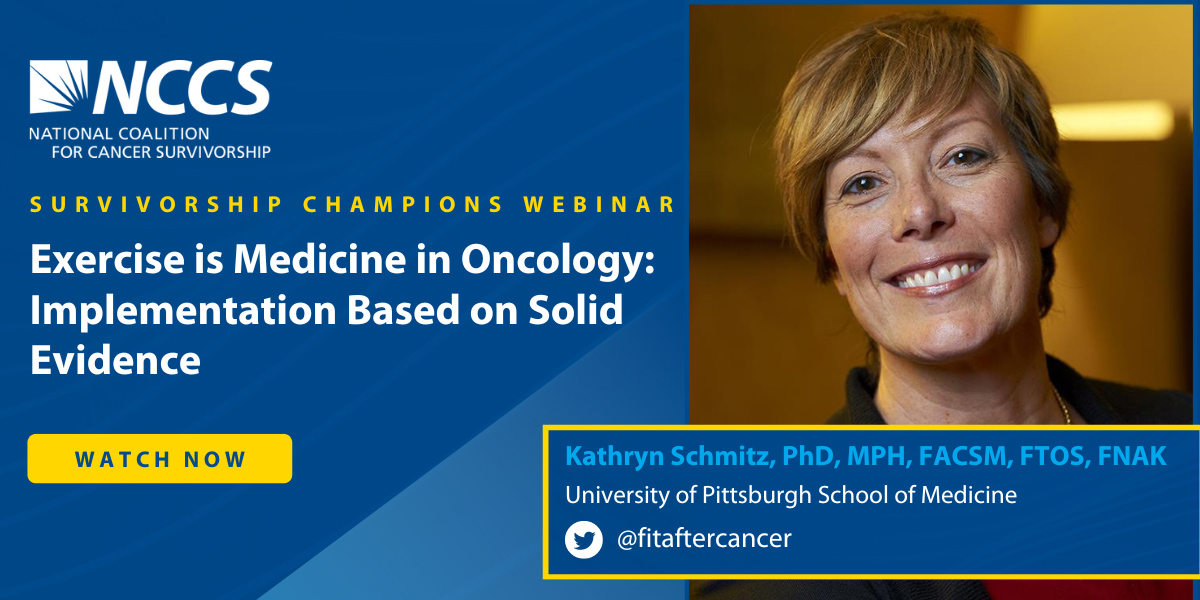
Exercise Is Medicine in Oncology: Implementation Based on Solid Evidence
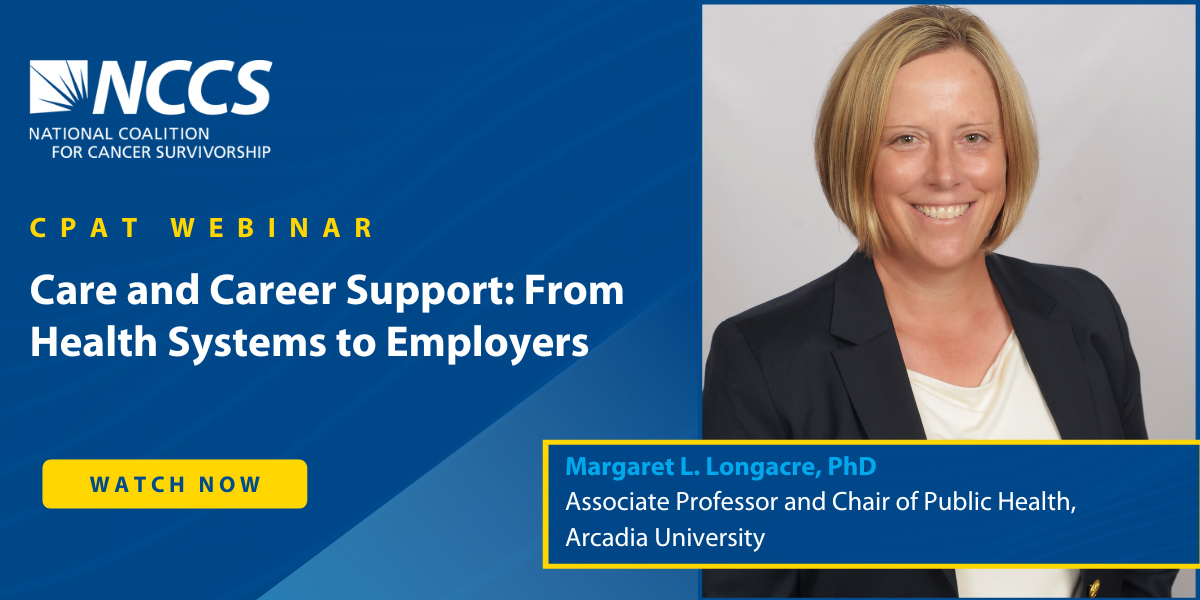
NCCS hosted a webinar featuring Kathryn Schmitz, PhD, MPH, a leading researcher in exercise oncology at the University of Pittsburgh Medical Center. Dr. Schmitz’s research focuses on people living with and beyond cancer and investigates the role exercise in improving physiologic and psychosocial outcomes including symptoms, treatment tolerance, and other chronic diseases. Dr. Schmitz is also the author of Moving Through Cancer, an exercise and strength-training program for cancer survivors.
In this webinar, Dr. Schmitz presents the evidence base for exercise during and after cancer treatment, reviews the current published exercise guidelines from ACS, SCSM, and ASCO, and discusses “what good looks like” in the practice of exercise oncology.
“Most oncology professionals know exercise would be good for their patients,” says Dr. Schmitz. “Most do not prescribe it, perhaps because they do not know HOW. This talk will demonstrate HOW the practice of exercise oncology takes place across dozens of locations in the United States.”
May 18, 2022
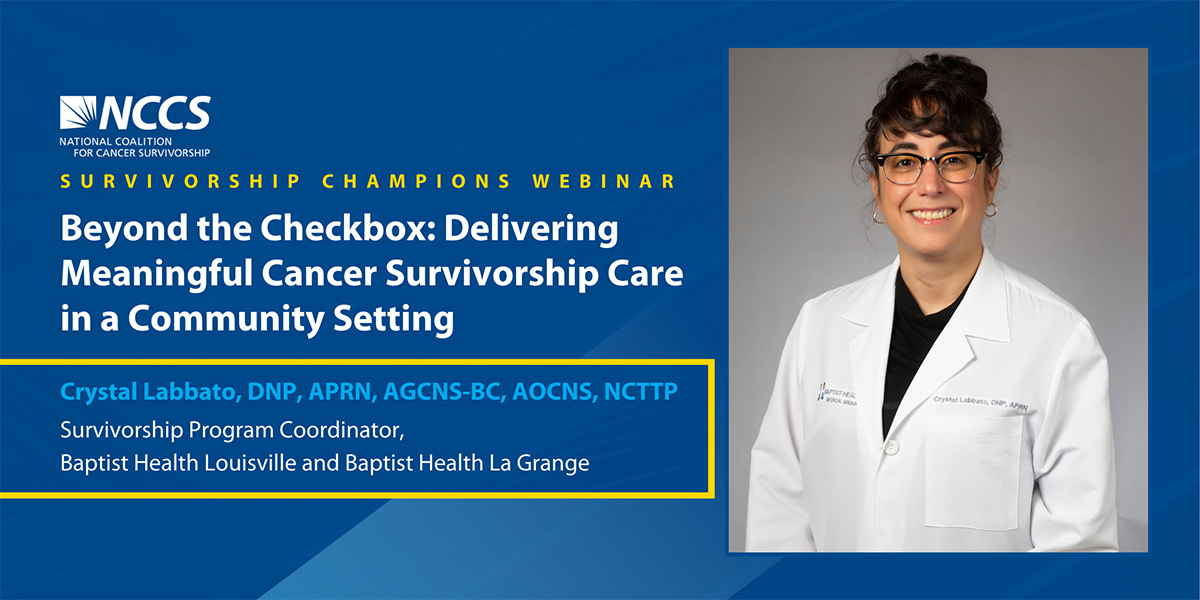
Dr. Crystal Labbato joined NCCS to deliver a presentation about providing an effective model of cancer survivorship care in a community setting. Dr. Labbato is the Survivorship Program Coordinator for Baptist Health Louisville and LaGrange hospitals in Kentucky.
In this webinar, Dr. Labbato reviews the evolving standards for survivorship care and highlights the importance of care planning services that go beyond simply giving a patient a paper document. They walk through the model of care that inform their work as a survivorship practitioner, and how they are able to tailor services to best meet the needs of cancer survivors in their community. Dr. Labbato presents two clinical cases that showcase survivorship needs, care timeline and supportive services the clinic utilizes to provide quality care. Dr. Labbato also discusses the clinic’s in-depth functional assessment for older adult survivors that identifies the patient’s needs, and how the clinic normalizes discussions on end-of-life care planning.
May 4, 2022
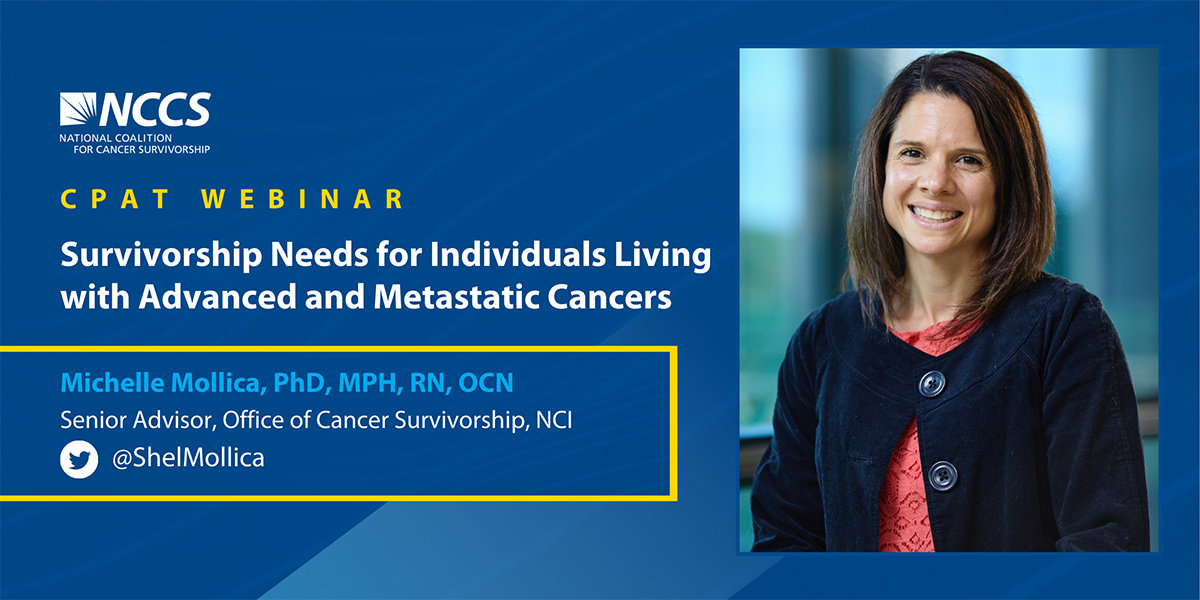
This webinar will provide an overview of the National Cancer Institute’s recent efforts to understand and address the survivorship needs of the growing population of survivors living with advanced and metastatic cancers. Bethany Ross, NCCS Cancer Policy and Advocacy Team (CPAT) Steering Committee Member and Advocate will join the discussion. Bethany was diagnosed with Stage IV neuroendocrine cancer at age 30 in August of 2018.
Learn about state of the science and the research gaps focused on survivorship needs. Dr. Mollica will share NCI’s next steps in conducting research that supports those living with advanced and metastatic cancers.
March 23, 2022
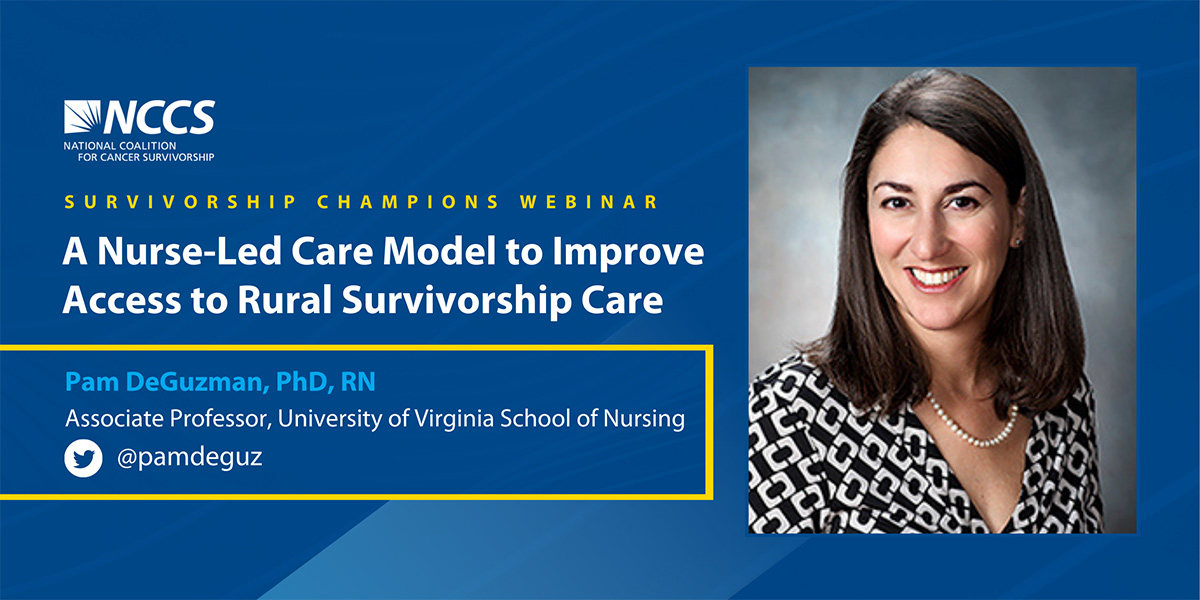
Pam DeGuzman, PhD, RN, will discuss the development and evaluation of Comprehensive Assistance: Rural Interventions, Nursing and Guidance (CARING), a nurse-led intervention aimed at reducing disparities in quality of life for rural cancer survivors.
During active treatment, rural survivors may forgo supportive care interventions to prioritize and consolidate medical visits into one day, with the goal of minimizing travel (called “appointment stacking”). CARING connects rural survivors with an oncology-specialized registered nurse several weeks after the completion of active treatment, to exclusively focus on lingering supportive care needs.
Tuesday, March 15, 2022
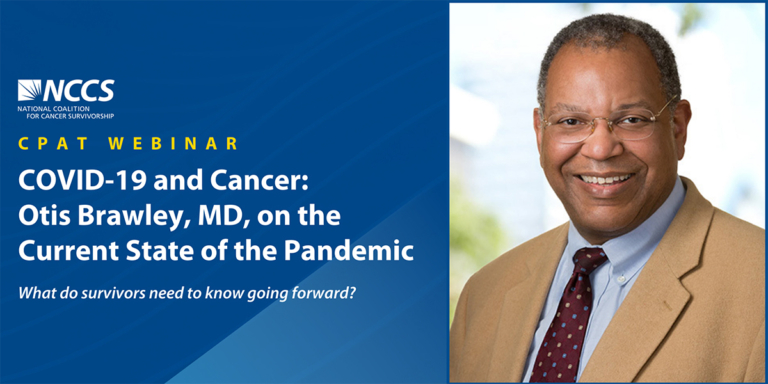
Otis Brawley, MD, a globally-recognized expert in cancer prevention and control, joins NCCS CEO Shelley Fuld Nasso to discuss the current state of the COVID-19 pandemic and what relaxed public health measures mean for immunocompromised individuals. He will answer questions from CPAT members about how cancer survivors can best protect themselves.
This website uses cookies to improve user experience. By continuing to use this site, you agree to our Privacy Policy. Learn More.
Cancer Nation is the voice of America’s 18 million cancer survivors: those living with, through and beyond cancer.
Cancer is a journey we travel for life, and how well we live that life depends on the care we get and the policies that shape it.
We are uniting to demand cancer care that not only helps us survive, but thrive.
Cancer Nation is the voice of America’s 18 million cancer survivors: those living with, through and beyond cancer.
Cancer is a journey we travel for life, and how well we live that life depends on the care we get and the policies that shape it.
We are uniting to demand cancer care that not only helps us survive, but thrive.
"*" indicates required fields

Founder
Northeast Regional Cancer Institute
“Perhaps one of the most impactful collaborations in Dr. Brereton’s extraordinary career remains his early work and long friendship with Ellen Stovall. Through him, and in turn through the thousands of lives he has touched, Ellen’s work continues, and her mission lives on.”
—Karen M. Saunders
President, Northeast Regional Cancer Institute