
• Link to Facebook
  • Link to X
  • Link to Youtube
  • Link to Instagram
  • Link to LinkedIn
  • Link to Rss this site
  • Store
  • Donate
  • About
        • About Us

        • Cancer Nation is the oldest cancer survivor-led non-profit organization in America. We advocate for quality cancer care for all touched by cancer.

        • About NCCS

        • Our Mission
        • What is Advocacy?Learn about the different types of cancer advocacy, from personal advocacy to public interest advocacy.
        • Our HistoryRead how Cancer Nation’s leaders coined the term “cancer survivor,” and established the nation’s first survivor-led non-profit organization.
        • Our Team
        • Financial Information
        • Employment
        • Contact Us
        • Support Our Mission

        • Make A GiftSupport our mission of quality cancer care for all with a gift to Cancer Nation.
        • The 1986 ClubMake a monthly commitment to support Cancer Nation, empower cancer survivors, and advance public policy.
        • Ways to GiveLearn about other ways you can contribute to Cancer Nation such as planned giving, employer matches, shopping online, and more.
        • Partnerships
  • News
    • Cancer Nation News
    • Advocate SpotlightEach month, Cancer Nation highlights a cancer survivorship advocate, sharing their story and the work they do in their communities.
    • Policy CommentsRead Cancer Nation’s comments to Congress, HHS, and other federal policymakers in Washington, DC on proposed rules and legislation.
    • Issue StatementsRead Cancer Nation statements on pressing issues and developments in Washington affecting cancer survivors and their families.
  • Policy
        • Policy

        • Public policy is government action, in the form of legislation, regulation, funding, and other actions. Public policy affects people with cancer and the cancer care system in many ways.

        • Our Policy Priorities

        • Quality Cancer CareQuality cancer care is essential for patients. Learn how Cancer Nation and others define quality.
        • Access to CareCancer Nation believes cancer care and clinical trials should be affordable and accessible to everyone.
        • Health EquityThe cancer experience is not the same for everyone. Cancer Nation works on policy efforts to reduce disparities in outcomes.
        • Current Issues

        • Protecting Access to Medicaid for Cancer Survivors
        • Comprehensive Cancer Survivorship Act (CCSA)The CCSA is a large comprehensive bill introduced in Congress that aims to improve quality of care in all stages of a diagnosis.
        • Cancer Care Planning and Communications Act (CCPCA)CCPCA is a bill that would provide a billable Medicare service code for cancer care planning.
        • DIEP Flap AccessCancer Nation advocates for protection of access to DIEP Flap Breast Reconstruction Surgery for all breast cancer survivors.
        • Policy CommentsRead Cancer Nation’s comments to Congress, HHS, and other federal policymakers in Washington, DC on proposed rules and legislation.
        • Issue StatementsRead Cancer Nation statements on pressing issues and developments in Washington affecting cancer survivors and their families.
        • Quality Measurement Research
  • Get Involved
        • Get Involved

        • Whether you’re new to cancer advocacy or already have experience as an advocate, there are numerous ways you can get involved with Cancer Nation.

        • Join Cancer Nation

        • Cancer Nation AdvocatesA program that brings together individuals who care about cancer care to learn how policy shapes our health care system—and how we can improve it together.
        • Cancer Nation Leadership AcademyEmerging leaders improving cancer care in their communities.
        • Cancer Nation Corporate Council
        • Advocacy OpportunitiesThis page provides a list of upcoming events, webinars, conferences, and advocacy campaigns from Cancer Nation and other leading cancer organizations.
        • Connect with Us

        • Subscribe to Cancer Nation Updates
        • Follow Cancer Nation on Social Media
        • Survivor Stories
        • Cancerversary
        • Support Cancer Nation

        • Make A Gift
        • Ways to Give
        • The 1986 Club
  • Survivorship Survey
        • State of Survivorship Survey

        • Cancer Nation conducts an annual State of Survivorship Survey, in partnership with Edge Research, to explore the cancer patient and survivor journey. This study captures a range of perspectives to better understand how Cancer Nation can support its mission to advocate for quality cancer care for all.

        • Reports by Year

        • 2025 Survey Report
        • 2024 Survey Report
        • 2023 Survey ReportThe 2023 Survey explored the caregiver experience for the first time, and features new data on the effect of cancer treatment on employment.
        • 2022 Survey ReportThe 2022 Survey found significant disparities in cancer care that impact people of color, young adults, women, and those with metastatic cancer, at higher rates.
        • 2021 Survey ReportThe 2021 Survey demonstrated that when patients receive quality care, have excellent support, and have financial resources, they are more likely to have positive outcomes.
        • 2020 Survey ReportIn the 2020 Survey, survivors reported that their care team is not helpful at addressing some common side effects of their cancer such as fatigue, anxiety, and depression.
  • Survivorship Checklist
        • Cancer Survivorship Checklist

        • The Cancer Survivorship Checklist is designed to be a simple, straightforward tool patients and caregivers can use as a guide for information critical to their care wherever they are on the cancer care continuum.

        • Start Your Cancer Survivorship Checklist
        • Survivorship Checklist Guide for Clinicians
        • Resources for Cancer Survivors

        • Survivorship ResourcesA collection of resources that provide information about navigating the cancer journey.
        • Cancer RehabilitationA supportive health care service that helps improve a person’s functioning during and after cancer treatment.
        • Integrative OncologyA field that combines traditional cancer treatments with therapies that support a person’s natural healing ability.
        • Palliative CareSpecialized medical care for people living with a serious illness that provides relief from the symptoms and stress to improve their quality of life.
        • Cognitive HealingA resource to support cognitive functioning after cancer treatment. Includes cognitive training strategies and tools for both adults and children.
  • Resources
        • Resources

        • Cancer Nation provides a wide variety of resources for patients, caregivers, and health care professionals.

        • Resources for Survivors and Caregivers

        • Health Insurance & Open Enrollment
        • Cancer Survival ToolboxA free, award-winning audio program created by leading cancer organizations to help people better meet & understand the challenges of their illness.
        • Ina® The Intelligent Nutrition Assistant
        • Telehealth
        • Care Planning for Cancer Survivors
        • Remaining Hopeful
        • Self Advocacy
        • Talking With Your Doctor
        • Taking Charge of Your Care
        • Order Our Resources
        • Resources for Health Care Professionals

        • Tools For Care Providers
        • Telehealth Project
        • Survivorship Champions Webinars
        • Survivorship Checklist Guide for Clinicians
  • Events
    • 2026 Cancer Nation Summit
    • Igniting Hope Awards Reception
    • Ellen L. Stovall Award
      • 2025 Winners
      • Awardees
      • Nominations
      • Committees
    • Cancer Nation Webinars
    • Cancer Nation Policy Roundtable
      • Fall 2025
      • Spring 2025
      • Fall 2024
      • Spring 2024
      • Fall 2023
      • Spring 2023
  • 0

NCCS is now Cancer Nation. Find out more about our next chapter.    Join Us

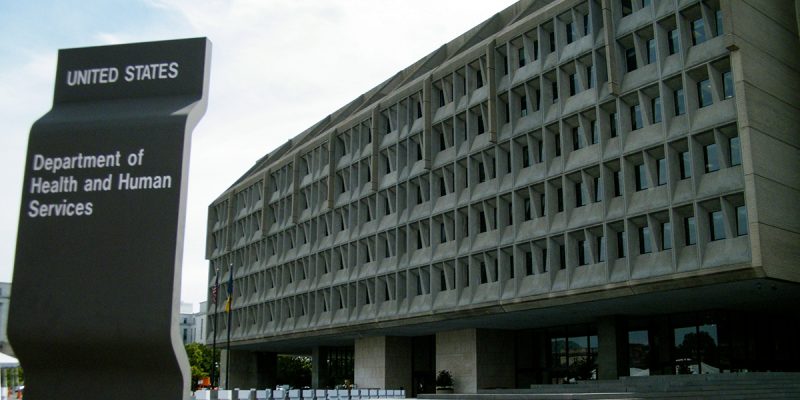
NCCS Policy Comments HHS bldg

NCCS and Cancer Leadership Council Highlight Potential Harm to Patients of Proposed Medicare Part D Changes
January 30, 2019/in Cancer Nation News, Cancer News, Cancer Policy Blog, HHS, Policy Comments Access to Care, Drug Pricing, Financial Toxicity, Health Care Coverage, Health Equity Cancer Nation News, Policy Comments
Department of Health and Human Services (HHS)
The Department of Health and Human Services (HHS) released recently a proposed rule to change Medicare Part D’s protected classes drug coverage. In response, NCCS joined with other patient and provider groups of the Cancer Leadership Council (CLC) to comment on how these proposed changes could impact patients.

The proposed rule would give Medicare plans the option to limit coverage of drugs in six categories, including cancer drugs. In the comment letter, the groups urge HHS to reconsider these changes as they would create barriers to treatments that cancer patients need. One major reservation articulated in the letter concerned the impact of the broader use of prior authorization and step therapy for drugs in protected classes. Access to only one drug in a specific drug class would undermine the ability to receive appropriate and recommended treatment.

“…A cancer patient typically requires combination chemotherapy and may undergo modifications of chemotherapy therapy over the course of treatment. Moreover, for many cancer patients, treatment is long-term and may require refinements over the course of treatment. Finally, cancer patients might have a significant response to one drug in a class while not responding to another in the same class. For all of the reasons above, we argued at the time of Part D implementation that access to all or substantially all antineoplastics should be a standard in Part D.” Comment Letter to HHS

Read the full CLC letter to HHS below.

View/Download the CLC Letter to HHS

NCCS also joined with more than 50 patient and provider groups in a statement opposing the proposed changes to Part D. STAT News: “Patient and medical groups blast Trump administration drug pricing proposal in new ad campaign”


CANCER LEADERSHIP COUNCIL

A PATIENT-CENTERED FORUM OF NATIONAL ADVOCACY ORGANIZATIONS
ADDRESSING PUBLIC POLICY ISSUES IN CANCER

January 25, 2019

The Honorable Alex M. Azar
Secretary
Department of Health and Human Services
200 Independence Avenue, SW
Washington, DC 20201

Re: CMS-4180-P, Modernizing Part D and Medicare Advantage to Lower Drug Prices and Reduce Out-of-Pocket Expenses

Dear Secretary Azar:

The undersigned organizations represent cancer patients and health care professionals who depend on a cancer care system that ensures access to high-quality and affordable care. We support the goals of addressing the costs of care and reducing out-of-pocket costs for Medicare beneficiaries, but the proposal related to Medicare Advantage and Part D drug pricing would create barriers to treatments that cancer patients need. We urge the Department of Health and Human Services (HHS) and Centers for Medicare & Medicaid Services (CMS) to reconsider key elements of the Part D plan.

The cost of cancer care is of critical importance to patients and providers, as financial toxicity is experienced by more and more patients. As patients struggle to pay for their cancer care, they are forced to make difficult decisions, including changing treatment choices, delaying payment of medical or other bills, seeking financial assistance from friends and families, and confronting bankruptcy. Financial toxicity also triggers stress in cancer patients that may have an impact on their treatment outcomes. As advocates for people with cancer, we agree that the cost of care and patient cost-sharing must be addressed. However, core elements of the Part D proposal, including changes in the protected classes policy, may serve to undermine access to necessary treatments.

Protected Classes of Drugs

In the preamble to the proposed rule, CMS offers a history of the protected classes policy. The agency indicates that the policy helped to ensure the transition of millions of Medicare-Medicaid dually eligible enrollees from Medicaid drug coverage to Medicare Part D. The policy also, according to the agency, protected against discriminatory plan design. However, the agency asserts that the circumstances that justified the protected classes policy have changed in the 12 years of operation of Part D. The agency asserts that aggressive management of the protected classes policy is now in order.

We offer some additions and modifications to the history of the protected classes policy that has been offered by CMS. Cancer patients and health care providers have been active in the discussion of the protected classes policy since the enactment of Part D. At the time of initial implementation of Part D, we argued for an open formulary for the drugs used by cancer patients, and we supported the protected classes policy providing coverage of “all or substantially all” antineoplastics as a responsible compromise to an open formulary.

At the time of implementation of Medicare Part D – at a time when targeted cancer therapies and personalized therapies were a fairly limited portion of treatment options – we argued that access to all or substantially all antineoplastics was necessary to ensure patient access to drugs. As we noted 12 years ago, a cancer patient typically requires combination chemotherapy and may undergo modifications of chemotherapy therapy over the course of treatment. Moreover, for many cancer patients, treatment is long-term and may require refinements over the course of treatment. Finally, cancer patients might have a significant response to one drug in a class while not responding to another in the same class. For all of the reasons above, we argued at the time of Part D implementation that access to all or substantially all antineoplastics should be a standard in Part D.

The agency argues that current situation is different from that of 12 years ago, at the time of Part D implementation. We agree, but we think that the changes in cancer treatment mean that protection of access to antineoplastics is even more important now than 12 years ago.

Changes to the Protected Classes Policy will Harm Cancer Patients

The proposed rule would give Medicare Part D drug plan sponsors aggressive tools for the management of the protected classes. The proposal would: 1) permit broader use of prior authorization and step therapy for drugs in the protected classes, 2) permit Part D sponsors to exclude a new formulation of a drug or biological product from a formulary, and 3) permit plan sponsors to exclude a drug from a formulary if the price of the drug exceeded CPI-U over a specified look-back period.

We are particularly concerned about the impact of broader use of prior authorization and step therapy for drugs in protected classes. As we have consistently maintained, people with cancer require access to all drugs in the antineoplastic class because of the demands of combination therapy, treatment over a long period of time, and treatment in the case of recurrence. Access to only one drug in a specific drug class would undermine the ability to receive appropriate and recommended treatment.

The significant and growing reliance on therapies that are targeted according to a patient’s molecular profile also demands access to all or substantially all antineoplastics. A patient who needs a specific drug according to his or her molecular profile will find little benefit in access to a different targeted therapy. This sort of barrier to drugs undermines the effort to more precisely target care. Part D drug benefit design should support targeted or even personalized treatment rather than erecting barriers to such treatment.

Step therapy and prior authorization, if embraced by plan sponsors for antineoplastics, will in the best circumstance cause delays in access to appropriate therapies and may absolutely block cancer patients from the treatments they need.

We are not reassured by policies that CMS has identified as protecting patient access if prior authorization and step therapy are utilized. We do not believe that the Medicare appeals and exceptions process is adequately responsive to patients with urgent treatment needs. This process can be burdensome and slow for patients and their providers who are attempting to obtain drugs that are not on formulary. Patients who need exceptions to step therapy may find the Medicare process to be unresponsive to their needs.

CMS has suggested that patient protections are essentially built into the Part D bidding process through the formulary review that the agency undertakes with Part D plan sponsors. Of critical importance is the standard that CMS utilizes in reviewing Part D formularies. Does the agency rely on National Comprehensive Cancer Network, American Society of Clinical Oncology, or other guidelines for evaluating the adequacy of formularies for antineoplastics? We would only be reassured about the usefulness of formulary review if we understood the process and the guidelines referenced. Although reliance on strong guidelines in the formulary review process might lead to improvements in formularies, we do not believe that formulary review will yield protections comparable to the protected classes policy.

While we understand the interest in restraining drug price increases and as a result the interest in permitting Part D sponsors to exclude drugs with price increases that exceed a certain amount, we are concerned that the result will be that patients are denied access to certain drugs. This new power for Part D drug plans may not in fact encourage drug price negotiation between plans and drug companies. Instead, the impact may well be the exclusion of these drugs from a formulary, with no options for patients if this is the recommended treatment for them.

Step Therapy for Part B Drugs in Medicare Advantage

CMS has included in this proposed rule the option for Medicare Advantage plans to use step therapy for Part B drugs. This option, granted to Medicare Advantage plans for 2019 by way of a communication to the plans, poses potential obstacles to treatment for cancer patients. At the time CMS initially outlined this option for Medicare Advantage plan sponsors, we outlined our objections. There are no changes to the proposal that make it more acceptable for Medicare Advantage enrollees with cancer.

Real Time Benefit Tools

We support the efforts to encourage the use of Real Time Benefit Tools (RTBT) in Part D. The agency is proposing that each Part D plan adopt a RTBT, which would be used by the provider and patient to address drug costs, manage out-of-pocket costs, and address medication adherence matters “in real time.” If appropriate tools can be developed and put in practice, they can improve the discussions between patients and providers about cost of drugs and patient cost-sharing. These are discussions that patients and providers want to have, and we are pleased that the agency is supporting efforts to improve the information available to support these discussions.

Prohibition against Gag Clauses in Pharmacy Contracts

The effort to restrict Part D plan sponsors from prohibiting a pharmacy from disclosing a cash price to an enrollee is a commonsense reform that we support. The agency proposal is consistent with recent legislative action on this issue.

Part D Explanation of Benefits

The agency proposes to amend the standards for the Part D Explanation of Benefits (EOB) to require the inclusion of drug pricing data and lower cost therapeutic alternatives. Although we think that providing such information is in general a positive development, we have reservations about the potential impact of including this information in the EOB. The EOB documents are generally not useful, according to reports from Medicare beneficiaries. If updating the EOBs to include pricing data and drug alternative data makes them more useful documents, some effort may be necessary to direct beneficiaries’ attention to the documents and encourage their use. Even if such steps are taken, we remain skeptical of the importance of EOB changes to improving beneficiaries’ ability to manage their drug expenditures.

We recommend that some attention be paid to how the updated EOBs and RTBT relate and how they could be used in a synergistic manner by beneficiaries.

We appreciate the opportunity to comment on proposed changes to Medicare Part D drug plans and Medicare Advantage. We urge CMS to abandon its plans to change the protected classes policy. Access to antineoplastics, one of the protected classes of drugs, is critical to quality care for people with cancer. We urge the continuation of the protections for cancer patients who need drug therapy through Medicare Part D.

Sincerely,

Cancer Leadership Council
Academy of Oncology Nurse & Patient Navigators
American Society for Radiation Oncology
American Society of Clinical Oncology
CancerCare
Cancer Support Community
Fight Colorectal Cancer
Hematology/Oncology Pharmacy Association
International Myeloma Foundation
The Leukemia & Lymphoma Society
LUNGevity Foundation
Lymphoma Research Foundation
National Coalition for Cancer Survivorship
Ovarian Cancer Research Alliance
Susan G. Komen

CONTACT: 2446 39th Street NW, Washington, D.C. 20007 · Phone: 202-333-4041 · www.cancerleadership.org

# # #


Read more NCCS Policy Comments »

Related Posts

https://canceradvocacy.org/blog/health-care-roundup-jan-18-2019/

https://canceradvocacy.org/policy-comments/nccs-joins-clc-concerns-hhs-step-therapy-plan/

Tags: CLC, drug pricing, financial issues, financial toxicity, HHS, Medicare, policy comments
Share this entry
  • Share on Facebook
  • Share on X
  • Share on WhatsApp
  • Share on LinkedIn
https://canceradvocacy.org/wp-content/uploads/2017/10/NCCS-Policy-Comments-HHS-bldg.jpg 600 1200 actualizedevs https://canceradvocacy.org/wp-content/uploads/CancerNation_Logo_Stacked_TwoColor.svg actualizedevs2019-01-30 15:15:012019-01-30 15:15:01NCCS and Cancer Leadership Council Highlight Potential Harm to Patients of Proposed Medicare Part D Changes

Latest News

Graphic with text. Cancer Nation Town Hall | The Right to Thrive: A Conversation on the Lainie Jones Comprehensive Cancer Survivorship Act | Bold, bipartisan legislation designed to strengthen survivorship care and improve quality of life. | Logos for Cancer Nation, Children's Cancer Cause, Lymphoma Research Foundation

The Right to Thrive: A Conversation on the Lainie Jones Comprehensive Cancer Survivorship Act

June 18, 2026
On June 15, Cancer Nation co-hosted a virtual town hall with the Lymphoma Research Foundation and Children's Cancer Cause to build…
Read more
https://canceradvocacy.org/wp-content/uploads/LJCCSA-Town-Hall-Banner-Post-1200px.jpg 675 1200 NCCS Staff https://canceradvocacy.org/wp-content/uploads/CancerNation_Logo_Stacked_TwoColor.svg NCCS Staff2026-06-18 17:49:372026-06-18 18:25:26The Right to Thrive: A Conversation on the Lainie Jones Comprehensive Cancer Survivorship Act
A graphic showing the Medicaid.gov website

Cancer Nation Statement: Medicaid Work Requirements Will Unfairly Burden Cancer Survivors

June 4, 2026
Cancer Nation strongly supports a health care system free of waste, fraud, and abuse. Health care resources must be directed to delivery…
Read more
https://canceradvocacy.org/wp-content/uploads/Stock-Medicaid-website-Adobe-927192378.jpg 675 1200 NCCS Staff https://canceradvocacy.org/wp-content/uploads/CancerNation_Logo_Stacked_TwoColor.svg NCCS Staff2026-06-04 12:56:142026-06-05 13:42:09Cancer Nation Statement: Medicaid Work Requirements Will Unfairly Burden Cancer Survivors
Image with graphics and text that reads Cancer Nation Understanding Blood-Based Testing in Cancer Care | Watch Now | With Support From: Guardant Health Logo

Webinar – Understanding Blood-Based Testing in Cancer Care

May 29, 2026
Cancer Nation's Webinar Series presents a clear, practical conversation about advances in blood-based testing and how they're shaping…
Read more
https://canceradvocacy.org/wp-content/uploads/Blood-Based-Testing-Webinar-post.jpg 675 1200 NCCS Staff https://canceradvocacy.org/wp-content/uploads/CancerNation_Logo_Stacked_TwoColor.svg NCCS Staff2026-05-29 11:28:002026-05-29 11:28:00Webinar – Understanding Blood-Based Testing in Cancer Care

Take Action

Link to: Survivorship Champions

Get Involved in Research

Cancer Nation conducts an annual Survivorship Survey to explore how patients and survivors are living with, through, and beyond cancer. This study captures a range of perspectives to better understand how Cancer Nation can support its mission to advocate for quality cancer care for all.

Learn More and Request Data Here »
Link to: Cancer Nation Advocates

Join Cancer Nation Advocates

Cancer Nation Advocates is a a program that brings together individuals who care about cancer care to learn how policy shapes our health care system—and how we can improve it together

Learn More and Join »
Link to: Survivor Stories

Share Your Story

Cancer Nation represents the millions of Americans who share a common experience – living with, through and beyond a cancer diagnosis. By sharing your story of how you have been touched by cancer, you are supporting the national cancer survivorship movement.

Share Your Story »
  • About
    • Our Mission
    • What is Advocacy?
    • Our History
    • Our Team
    • Financial Information
    • Employment
    • Contact Us
    • Make A Gift
    • The 1986 Club
    • Ways to Give
    • Partnerships
  • News
    • Cancer Nation News
    • Advocate Spotlight
    • Policy Comments
    • Issue Statements
  • Policy
    • Quality Cancer Care
    • Access to Care
    • Health Equity
    • Protecting Access to Medicaid for Cancer Survivors
    • Comprehensive Cancer Survivorship Act (CCSA)
    • Cancer Care Planning and Communications Act (CCPCA)
    • DIEP Flap Access
    • Policy Comments
    • Issue Statements
    • Quality Measurement Research
  • Get Involved
    • Cancer Nation Advocates
    • Cancer Nation Leadership Academy
    • Cancer Nation Corporate Council
    • Advocacy Opportunities
    • Subscribe to Cancer Nation Updates
    • Follow Cancer Nation on Social Media
    • Survivor Stories
    • Cancerversary
    • Make A Gift
    • The 1986 Club
    • Ways to Give
  • Survivorship Survey
    • 2025 Survey Report
    • 2024 Survey Report
    • 2023 Survey Report
    • 2022 Survey Report
    • 2021 Survey Report
    • 2020 Survey Report
  • Survivorship Checklist
    • Start Your Cancer Survivorship Checklist
    • Survivorship Resources
    • Cancer Rehabilitation
    • Integrative Oncology
    • Palliative Care
    • Cognitive Healing
    • Survivorship Checklist Guide for Clinicians
  • Resources
    • Cancer Survival Toolbox
    • Telehealth
    • Health Insurance & Open Enrollment
    • Care Planning for Cancer Survivors
    • Ina® The Intelligent Nutrition Assistant
    • Remaining Hopeful
    • Self Advocacy
    • Talking With Your Doctor
    • Taking Charge of Your Care
    • Order Our Resources
    • Tools For Care Providers
    • Telehealth Project
    • Survivorship Champions Webinars
    • Survivorship Checklist Guide for Clinicians
  • Events
    • 2026 Cancer Nation Summit
    • Igniting Hope Awards Reception
    • Ellen L. Stovall Award
      • 2025 Winners
      • Awardees
      • Nominations
      • Committees
    • Cancer Nation Webinars
    • Cancer Nation Policy Roundtable
      • Fall 2025
      • Spring 2025
      • Fall 2024
      • Spring 2024
      • Fall 2023
      • Spring 2023
  • Search
  • Cart

Charity Navigator Four-Star Rating

Cancer Nation Logo

Cancer Nation
8455 Colesville Road  |  Suite 1025 | Silver Spring, MD 20910
info@canceradvocacy.org | (877) NCCS-YES
Privacy Policy  |  Terms and Conditions

Copyright © 1995-2026 by Cancer Nation. National Coalition for Cancer Survivorship, NCCS, Cancer Survival Toolbox, Cancerversary, and related Logos are registered in the United States as trademarks of Cancer Nation (formerly the National Coalition for Cancer Survivorship).

Link to: Health Care Roundup: Gov’t Shutdown Affects FDA; Health Care Hearings; Insomnia & Cancer; “When Cancer Meets the Internet;” More Link to: Health Care Roundup: Gov’t Shutdown Affects FDA; Health Care Hearings; Insomnia & Cancer; “When Cancer Meets the Internet;” More Health Care Roundup: Gov’t Shutdown Affects FDA; Health Care Hearings;...NCCS Starburst 250px Link to: Health Care Roundup: More Drug Pricing News; Clinical Trial Challenges; Trump Promises Action on Surprise Billing; Fake Cancer Cures; More Link to: Health Care Roundup: More Drug Pricing News; Clinical Trial Challenges; Trump Promises Action on Surprise Billing; Fake Cancer Cures; More NCCS Starburst 250pxHealth Care Roundup: More Drug Pricing News; Clinical Trial Challenges; Trump...
Scroll to top Scroll to top Scroll to top

This website uses cookies to improve user experience. By continuing to use this site, you agree to our Privacy Policy. Learn More.

Get Updates From Cancer Nation

Be the first to hear about cancer policy and survivorship issues! Subscribe and receive the twice-monthly Cancer Nation News, invites to webinars and events, and more.

  • This field is for validation purposes and should be left unchanged.

Connect With Us

Twitter     Facebook     Instagram     LinkedIn     YouTube

Harmar Brereton, MD

Founder
Northeast Regional Cancer Institute


“Perhaps one of the most impactful collaborations in Dr. Brereton’s extraordinary career remains his early work and long friendship with Ellen Stovall. Through him, and in turn through the thousands of lives he has touched, Ellen’s work continues, and her mission lives on.”

—Karen M. Saunders
President, Northeast Regional Cancer Institute