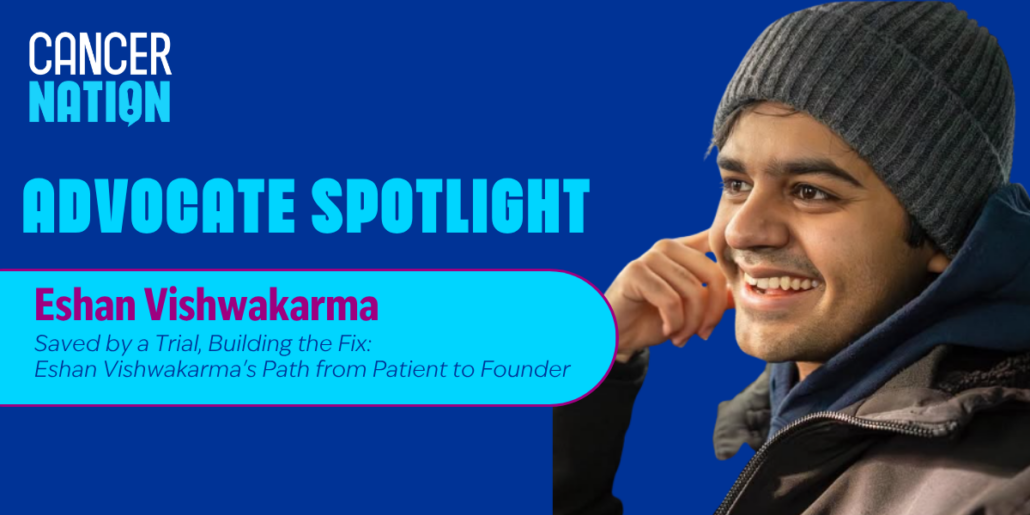
Saved by a Trial, Building the Fix: Eshan Vishwakarma’s Path from Patient to Founder
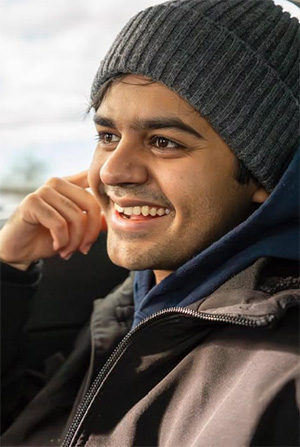 Eshan Vishwakarma remembers being diagnosed with stage three neuroblastoma around age three, after symptoms including abdominal pain went unrecognized for a while. He was too young to remember life before cancer, so what he knows of that period he knows through his family and through the years of survivorship that followed.
His parents, who immigrated to the United States from India, became his full-time navigators, dropping almost everything to manage his care, track his treatment, and make the decisions a three-year-old could not. When the standard protocol failed, they sought second opinions and found Memorial Sloan Kettering, where Eshan joined an immunotherapy trial that saved his life.
The cost of getting there was not only medical. Eshan describes the central challenge of his survivorship as access; to information, to guidance, and to his parents’ ability to navigate and advocate for him and his care. The trial worked, but reaching it took a level of persistence, resourcefulness, and second-opinion-seeking that not every family is positioned to manage.
The Turning Point
Eshan was drawn to advocacy when he watched other survivors who had walked similar paths use their voices to make a difference. That recognition, that one person’s story could move something larger, reframed what his own experience could become.
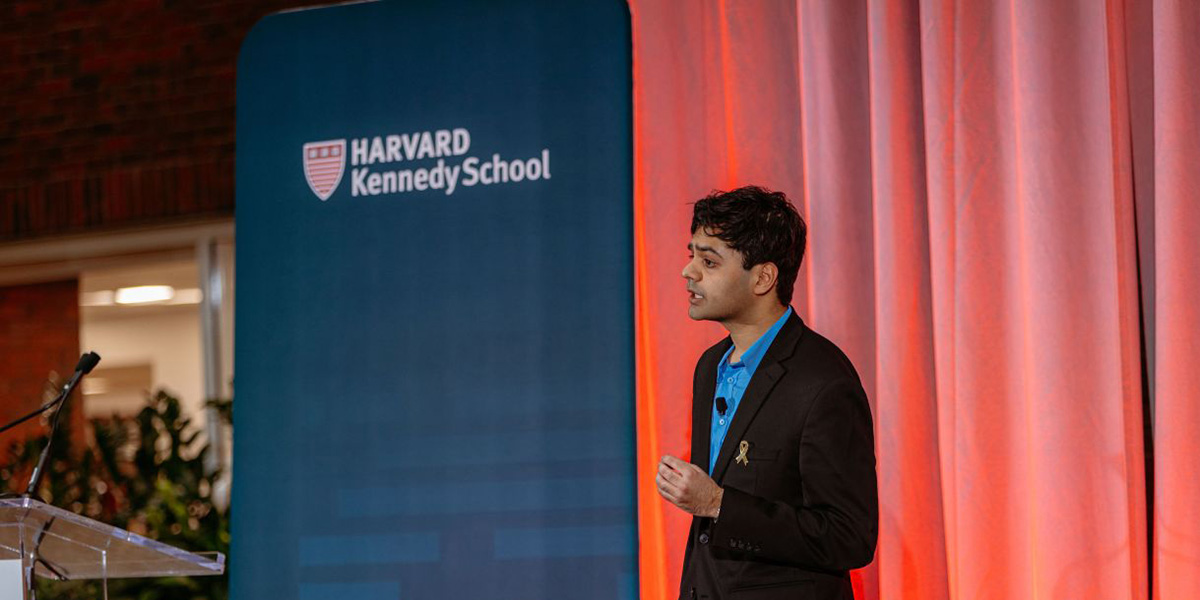
He channels that advocacy through entrepreneurship. As a Cancer Nation Advocate and Ambassador (formerly an Elevating Survivorship ambassador, now part of the Cancer Nation Leadership Academy), he connected to a community of people working toward the same goal from different angles. His own angle is the private market, and it took shape as Arul Health, the company he is building to solve the navigation and access problems he lived through.
The Advocacy Work
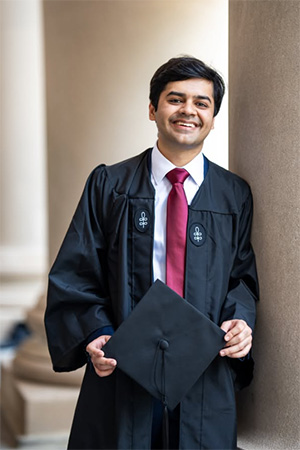 Eshan recently graduated from Harvard and is building Arul Health, his Boston-based health care startup, around the problem that defined his survivorship: care navigation. Patients with complex diagnoses can spend months simply finding the right care, working through insurance, specialist waitlists, and trial eligibility, often alone and often at the hardest moments of their lives.
Eshan’s view is clear: navigation needs to change. It should be simpler to manage care, and it should function as what he calls “a perfect symphony of health care and social care,” rather than a maze each family has to solve from scratch.
When it comes to beginning advocacy work, Eshan knows there is no single correct way to carry a cancer diagnosis, and that figuring out where it fits is something everyone does differently. As he puts it, “Your story is flexible. It can represent as much or as little of your life as you choose.”
Why It Matters
Eshan points to gaps in navigation as a critical juncture that decides outcomes, and it is exactly where Cancer Nation’s call for Whole Person Cancer Care lives. Survivorship Care Plans, coordinated navigation, and the connection between health care and social care are not administrative details. For a family staring down a failing protocol, they are the difference between finding the next option and never knowing it existed.
Eshan’s message to the cancer care system is just as clear. The work his parents did, becoming full-time navigators overnight, should not depend on luck or resources. Better navigation is not a convenience. It is critical access, and access shapes who survives.
Want to get involved in cancer advocacy?
Learn more about Cancer Nation Advocates and join for free. »
Check out how Cancer Nation Ambassadors are improving survivorship care in their communities »