
• Link to Facebook
  • Link to X
  • Link to Youtube
  • Link to Instagram
  • Link to LinkedIn
  • Link to Rss this site
  • Store
  • Donate
  • About
        • About Us

        • Cancer Nation is the oldest cancer survivor-led non-profit organization in America. We advocate for quality cancer care for all touched by cancer.

        • About NCCS

        • Our Mission
        • What is Advocacy?Learn about the different types of cancer advocacy, from personal advocacy to public interest advocacy.
        • Our HistoryRead how Cancer Nation’s leaders coined the term “cancer survivor,” and established the nation’s first survivor-led non-profit organization.
        • Our Team
        • Financial Information
        • Employment
        • Contact Us
        • Support Our Mission

        • Make A GiftSupport our mission of quality cancer care for all with a gift to Cancer Nation.
        • The 1986 ClubMake a monthly commitment to support Cancer Nation, empower cancer survivors, and advance public policy.
        • Ways to GiveLearn about other ways you can contribute to Cancer Nation such as planned giving, employer matches, shopping online, and more.
        • Partnerships
  • News
    • Cancer Nation News
    • Advocate SpotlightEach month, Cancer Nation highlights a cancer survivorship advocate, sharing their story and the work they do in their communities.
    • Policy CommentsRead Cancer Nation’s comments to Congress, HHS, and other federal policymakers in Washington, DC on proposed rules and legislation.
    • Issue StatementsRead Cancer Nation statements on pressing issues and developments in Washington affecting cancer survivors and their families.
  • Policy
        • Policy

        • Public policy is government action, in the form of legislation, regulation, funding, and other actions. Public policy affects people with cancer and the cancer care system in many ways.

        • Our Policy Priorities

        • Quality Cancer CareQuality cancer care is essential for patients. Learn how Cancer Nation and others define quality.
        • Access to CareCancer Nation believes cancer care and clinical trials should be affordable and accessible to everyone.
        • Health EquityThe cancer experience is not the same for everyone. Cancer Nation works on policy efforts to reduce disparities in outcomes.
        • Current Issues

        • Protecting Access to Medicaid for Cancer Survivors
        • Comprehensive Cancer Survivorship Act (CCSA)The CCSA is a large comprehensive bill introduced in Congress that aims to improve quality of care in all stages of a diagnosis.
        • Cancer Care Planning and Communications Act (CCPCA)CCPCA is a bill that would provide a billable Medicare service code for cancer care planning.
        • DIEP Flap AccessCancer Nation advocates for protection of access to DIEP Flap Breast Reconstruction Surgery for all breast cancer survivors.
        • Policy CommentsRead Cancer Nation’s comments to Congress, HHS, and other federal policymakers in Washington, DC on proposed rules and legislation.
        • Issue StatementsRead Cancer Nation statements on pressing issues and developments in Washington affecting cancer survivors and their families.
        • Quality Measurement Research
  • Get Involved
        • Get Involved

        • Whether you’re new to cancer advocacy or already have experience as an advocate, there are numerous ways you can get involved with Cancer Nation.

        • Join Cancer Nation

        • Cancer Nation AdvocatesA program that brings together individuals who care about cancer care to learn how policy shapes our health care system—and how we can improve it together.
        • Cancer Nation Leadership AcademyEmerging leaders improving cancer care in their communities.
        • Cancer Nation Corporate Council
        • Advocacy OpportunitiesThis page provides a list of upcoming events, webinars, conferences, and advocacy campaigns from Cancer Nation and other leading cancer organizations.
        • Connect with Us

        • Subscribe to Cancer Nation Updates
        • Follow Cancer Nation on Social Media
        • Survivor Stories
        • Cancerversary
        • Support Cancer Nation

        • Make A Gift
        • Ways to Give
        • The 1986 Club
  • Survivorship Survey
        • State of Survivorship Survey

        • Cancer Nation conducts an annual State of Survivorship Survey, in partnership with Edge Research, to explore the cancer patient and survivor journey. This study captures a range of perspectives to better understand how Cancer Nation can support its mission to advocate for quality cancer care for all.

        • Reports by Year

        • 2025 Survey Report
        • 2024 Survey Report
        • 2023 Survey ReportThe 2023 Survey explored the caregiver experience for the first time, and features new data on the effect of cancer treatment on employment.
        • 2022 Survey ReportThe 2022 Survey found significant disparities in cancer care that impact people of color, young adults, women, and those with metastatic cancer, at higher rates.
        • 2021 Survey ReportThe 2021 Survey demonstrated that when patients receive quality care, have excellent support, and have financial resources, they are more likely to have positive outcomes.
        • 2020 Survey ReportIn the 2020 Survey, survivors reported that their care team is not helpful at addressing some common side effects of their cancer such as fatigue, anxiety, and depression.
  • Survivorship Checklist
        • Cancer Survivorship Checklist

        • The Cancer Survivorship Checklist is designed to be a simple, straightforward tool patients and caregivers can use as a guide for information critical to their care wherever they are on the cancer care continuum.

        • Start Your Cancer Survivorship Checklist
        • Survivorship Checklist Guide for Clinicians
        • Resources for Cancer Survivors

        • Survivorship ResourcesA collection of resources that provide information about navigating the cancer journey.
        • Cancer RehabilitationA supportive health care service that helps improve a person’s functioning during and after cancer treatment.
        • Integrative OncologyA field that combines traditional cancer treatments with therapies that support a person’s natural healing ability.
        • Palliative CareSpecialized medical care for people living with a serious illness that provides relief from the symptoms and stress to improve their quality of life.
        • Cognitive HealingA resource to support cognitive functioning after cancer treatment. Includes cognitive training strategies and tools for both adults and children.
  • Resources
        • Resources

        • Cancer Nation provides a wide variety of resources for patients, caregivers, and health care professionals.

        • Resources for Survivors and Caregivers

        • Health Insurance & Open Enrollment
        • Cancer Survival ToolboxA free, award-winning audio program created by leading cancer organizations to help people better meet & understand the challenges of their illness.
        • Ina® The Intelligent Nutrition Assistant
        • Telehealth
        • Care Planning for Cancer Survivors
        • Remaining Hopeful
        • Self Advocacy
        • Talking With Your Doctor
        • Taking Charge of Your Care
        • Order Our Resources
        • Resources for Health Care Professionals

        • Tools For Care Providers
        • Telehealth Project
        • Survivorship Champions Webinars
        • Survivorship Checklist Guide for Clinicians
  • Events
    • 2026 Cancer Nation Summit
    • Igniting Hope Awards Reception
    • Ellen L. Stovall Award
      • 2025 Winners
      • Awardees
      • Nominations
      • Committees
    • Cancer Nation Webinars
    • Cancer Nation Policy Roundtable
      • Fall 2025
      • Spring 2025
      • Fall 2024
      • Spring 2024
      • Fall 2023
      • Spring 2023
  • 0

NCCS is now Cancer Nation. Find out more about our next chapter.    Join Us

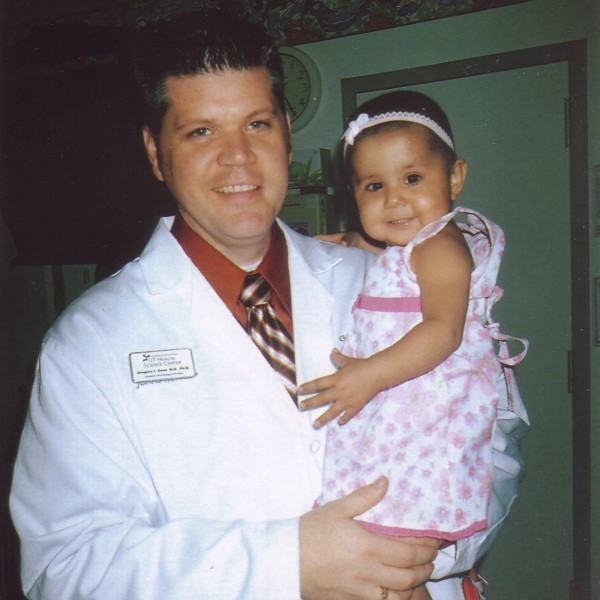
Greg Aune e1438618859480

Research Priorities for the Growing Population of Childhood Cancer Survivors
December 13, 2016/in Cancer News, Cancer Policy Blog Quality Cancer Care, Survivorship Care Cancer Nation News

post-election-priorities-ba

About Our New Blog Series:
Regardless of political affiliation, most cancer survivors can agree that the specific concerns of survivors received little attention during the presidential campaign. With the election now over, NCCS is inviting cancer survivors from around the country to highlight those specific needs, and propose a cancer care and research agenda to the new Administration and the new Congress.
Guest Post by Greg Aune, MD, PhD

Guest Post by Greg Aune

Post by Greg Aune, MD, PhD
@gregoryjaune

In the aftermath of 2016’s historic Presidential election, one fact remains unchanged: cancer continues to be a devastating array of diseases that has touched or will touch the lives of virtually every American. As a 25-year survivor of childhood cancer, I want to insure that the health challenges faced by patients like me are emphasized as research priorities for the coming years are established.

Cancer is most certainly not a Republican or Democratic issue, yet solving the challenges facing cancer patients in the United States will require ongoing collaboration from our newly elected executive administration and the 115th Congress. Going forward, it is imperative that we continue to capitalize on the recent momentum established by the National Cancer Moonshot and other evolving collaborative efforts in the cancer research and clinical care umbrellas.

Pediatric cancers include an array of biologically unique cancers that are rare and many are exclusively seen in children. For these diseases, it is imperative that we continue to study the scientific underpinnings of these cancers and use that knowledge to develop novel, targeted less toxic therapies. But, it is becoming clear that the development of novel therapies for pediatric cancers is not by itself likely to solve the problems faced by the growing numbers of childhood cancer survivors.

“As our new leaders begin to set their policy priorities, it is important to highlight critical research areas that have the potential to improve the quality of life for childhood cancer survivors.”
In the field of pediatric oncology, we are at the beginning of a new era where five-year survival rates from pediatric cancer are becoming a less important measure of our success. Quality of life is receiving an increasing amount of attention from pediatric oncologists, patients, and their families.

Because the development of new drugs for pediatric cancers lags behind efforts in adult cancers, it is additionally important to invest in new research areas that focus on perfecting the administration of our existing chemotherapy and radiation regimens. Currently, there is a dearth of knowledge pertaining to the effects pediatric chemotherapies and radiation have on normal organs such as the heart, brain, liver, and kidneys.

Survivors of childhood cancer are a growing population that is expected to number 500,000 in the United States by 2020.[1] This growing number is the product of steadily increasing 5-year survival rates for childhood cancer that began in the 1940s when Sidney Farber first introduced systemic chemotherapy to the anticancer armamentarium.

In the first decade of the 21st century, epidemiologic evidence began to emerge confirming what was long expected—that curative regimens for childhood cancer are associated with tremendous long-term cost and increased risk of severe morbidity and mortality. Numerous analyses from childhood cancer cohorts in the United States and Europe have highlighted the shortcomings of successful childhood cancer therapy.

In the United States, the Childhood Cancer Survivor Study (CCSS) has served as a central resource to quantify the health problems faced by childhood cancer survivors. Analyses of outcome data collected from over 34,000 long-term survivors have clearly established a link between childhood cancer therapy and an increased risk of severe health effects including secondary cancers, cardiovascular disease, strokes, endocrinopathies, infertility, neurocognitive deficits, and pulmonary diseases. More important are the numerous studies that have clearly shown that long-term survivors of childhood cancer have a markedly increased mortality rate when compared to age-matched control groups.

Our new leaders must understand that the plight of childhood cancer survivors has become a major priority with patients and their families. With increasing numbers of children surviving their cancer, the devastating long-term consequences of successful treatment are now quantified. A recent study of survivorship patient cohorts indicated that by age 50, 60% of childhood cancer survivors will be either dead or suffering from a life-threatening health complication caused by their pediatric cancer therapies.[2]

As our new leaders begin to set their policy priorities, it is important to highlight critical research areas that have the potential to improve the quality of life for childhood cancer survivors. With this in mind, I would like to identify three broad research areas that I believe, if funded and expanded, would lead to an overall healthier population of childhood cancer survivors.

We must develop and emphasize:

  1. Preclinical laboratory models of cancer survivorship. – The bulk of our knowledge in health outcomes for childhood cancer survivors has been obtained from retrospective cohort studies that have largely focused on correlating specific treatment exposures with the development of specific health problems later in life. Thus, we currently have minimal knowledge that details how chemotherapy and radiation damage normal tissues and lead to late effects. While efforts to develop targeted less toxic therapies are ongoing, in the near term this strategy is unlikely to eliminate our use of the current curative regimens. Therefore, going forward, it is vital that we develop robust preclinical research models to address this major gap in our oncology research portfolio.
  2. Research exploring the premature aging phenotype observed in many childhood cancer survivors. – There is emerging evidence that suggests survivors of childhood cancer age prematurely. Several studies of survivor cohorts have documented elevated risks of age-related conditions such as cardiovascular disease, secondary cancers, and possibly dementia. The biological basis of these epidemiologic observations is mostly unknown. Thus, we must invest in research that is aimed at understanding how early chemotherapy and radiation exposure alter normal aging processes in long-term survivors.
  3. Applying precision medicine concepts to late treatement-induced toxicities. – With the announcement of the Pediatric MATCH (Molecular Associated Therapy Choice) Trial, efforts to harness the promise of genomic sequencing to deliver tumor-targeted therapy for pediatric cancers have moved to the forefront. These efforts are largely focused on utilizing rapid sequencing technology to identify targetable mutations in pediatric cancers and thereby deliver treatments targeting these changes within an individual patient’s tumor. In contrast, the same sequencing technology can be utilized to identify the underlying germline background that mediates how an individual patient responds to standard chemotherapy regimens and results in toxicities. Studying our current range of pediatric cancer therapies from this perspective must be systematically and prospectively initiated in all new childhood cancer patients.
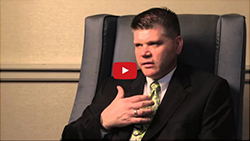
Watch Dr. Greg Aune Share His Survivorship Story

Video: Dr. Greg Aune Describes His Treatment Experience »
“I think my story kind of makes people take pause.”

If adequate funding is applied to these areas, the life trajectory for our childhood cancer survivors can be changed for the better. In fact, the National Cancer Institute (NCI) has already identified these three areas of research as major priorities—preclinical models and aging research are included in the recently established list of pediatric provocative questions and precision medicine has been a major focus of the NCI for over two years. With these areas clearly identified, our new leaders could send a powerful bipartisan message of support for cancer survivors, by setting aside additional funds specifically for these research priorities.

Researchers, clinicians, patients, families and advocates must continue to diligently pursue a new day in cancer care—one where curative regimens are available for all childhood cancers and all survivors are living a life free from health problems caused by successful cancer treatment. Our new leaders have the power to make this day a reality.


About the Author

Gregory J. Aune, MD, PhD, is a 25-year survivor of Hodgkin’s Lymphoma. He is a policy advisor for NCCS, a St. Baldrick’s Foundation Scholar, and the Stephanie Edlund Distinguished Professor in Pediatric Cancer Research at Greehey Children’s Cancer Research Institute in San Antonio, TX.

Twitter: @gregoryjaune
Website: https://ccri.uthscsa.edu/GAune.html
Research Gate: www.researchgate.net/profile/Gregory_Aune

The views & opinions expressed in any guest post featured on our site are those of the guest speaker and do not necessarily reflect the opinions & views of the National Coalition for Cancer Survivorship. Read our blog and comment policies here.
Tags: cancer care, Cancer Survivorship, childhood cancer, Greg Aune, Guest Post, patient first, Post-Election Priorities, precision medicine, research, targeted therapies
Share this entry
  • Share on Facebook
  • Share on X
  • Share on WhatsApp
  • Share on LinkedIn
https://canceradvocacy.org/wp-content/uploads/2015/08/Greg-Aune-e1438618859480.jpeg 600 600 actualizedevs https://canceradvocacy.org/wp-content/uploads/CancerNation_Logo_Stacked_TwoColor.svg actualizedevs2016-12-13 14:44:132016-12-13 14:44:13Research Priorities for the Growing Population of Childhood Cancer Survivors

Latest News

A graphic showing the Medicaid.gov website

Cancer Nation Statement: Medicaid Work Requirements Will Unfairly Burden Cancer Survivors

June 4, 2026
Cancer Nation strongly supports a health care system free of waste, fraud, and abuse. Health care resources must be directed to delivery…
Read more
https://canceradvocacy.org/wp-content/uploads/Stock-Medicaid-website-Adobe-927192378.jpg 675 1200 NCCS Staff https://canceradvocacy.org/wp-content/uploads/CancerNation_Logo_Stacked_TwoColor.svg NCCS Staff2026-06-04 12:56:142026-06-05 13:42:09Cancer Nation Statement: Medicaid Work Requirements Will Unfairly Burden Cancer Survivors
Image with graphics and text that reads Cancer Nation Understanding Blood-Based Testing in Cancer Care | Watch Now | With Support From: Guardant Health Logo

Webinar – Understanding Blood-Based Testing in Cancer Care

May 29, 2026
Cancer Nation's Webinar Series presents a clear, practical conversation about advances in blood-based testing and how they're shaping…
Read more
https://canceradvocacy.org/wp-content/uploads/Blood-Based-Testing-Webinar-post.jpg 675 1200 NCCS Staff https://canceradvocacy.org/wp-content/uploads/CancerNation_Logo_Stacked_TwoColor.svg NCCS Staff2026-05-29 11:28:002026-05-29 11:28:00Webinar – Understanding Blood-Based Testing in Cancer Care
a picture of susie leigh similing wearing a purple top. Words over the photo read In loving memory, Susie Leigh, Cancer Nation Co-founder, 1947-2026

Remembering Susie Leigh: A Founder, a Force, and a Friend

May 28, 2026
Susan (Susie) Leigh, BSN, RN-Retired — one of the founding members of Cancer Nation, a five-time cancer survivor, and one of the…
Read more
https://canceradvocacy.org/wp-content/uploads/Susie-Leigh-In-Memory-blog.jpg 900 1600 NCCS Staff https://canceradvocacy.org/wp-content/uploads/CancerNation_Logo_Stacked_TwoColor.svg NCCS Staff2026-05-28 15:14:382026-06-04 14:32:40Remembering Susie Leigh: A Founder, a Force, and a Friend

Take Action

Link to: Survivorship Champions

Get Involved in Research

Cancer Nation conducts an annual Survivorship Survey to explore how patients and survivors are living with, through, and beyond cancer. This study captures a range of perspectives to better understand how Cancer Nation can support its mission to advocate for quality cancer care for all.

Learn More and Request Data Here »
Link to: Cancer Nation Advocates

Join Cancer Nation Advocates

Cancer Nation Advocates is a a program that brings together individuals who care about cancer care to learn how policy shapes our health care system—and how we can improve it together

Learn More and Join »
Link to: Survivor Stories

Share Your Story

Cancer Nation represents the millions of Americans who share a common experience – living with, through and beyond a cancer diagnosis. By sharing your story of how you have been touched by cancer, you are supporting the national cancer survivorship movement.

Share Your Story »
  • About
    • Our Mission
    • What is Advocacy?
    • Our History
    • Our Team
    • Financial Information
    • Employment
    • Contact Us
    • Make A Gift
    • The 1986 Club
    • Ways to Give
    • Partnerships
  • News
    • Cancer Nation News
    • Advocate Spotlight
    • Policy Comments
    • Issue Statements
  • Policy
    • Quality Cancer Care
    • Access to Care
    • Health Equity
    • Protecting Access to Medicaid for Cancer Survivors
    • Comprehensive Cancer Survivorship Act (CCSA)
    • Cancer Care Planning and Communications Act (CCPCA)
    • DIEP Flap Access
    • Policy Comments
    • Issue Statements
    • Quality Measurement Research
  • Get Involved
    • Cancer Nation Advocates
    • Cancer Nation Leadership Academy
    • Cancer Nation Corporate Council
    • Advocacy Opportunities
    • Subscribe to Cancer Nation Updates
    • Follow Cancer Nation on Social Media
    • Survivor Stories
    • Cancerversary
    • Make A Gift
    • The 1986 Club
    • Ways to Give
  • Survivorship Survey
    • 2025 Survey Report
    • 2024 Survey Report
    • 2023 Survey Report
    • 2022 Survey Report
    • 2021 Survey Report
    • 2020 Survey Report
  • Survivorship Checklist
    • Start Your Cancer Survivorship Checklist
    • Survivorship Resources
    • Cancer Rehabilitation
    • Integrative Oncology
    • Palliative Care
    • Cognitive Healing
    • Survivorship Checklist Guide for Clinicians
  • Resources
    • Cancer Survival Toolbox
    • Telehealth
    • Health Insurance & Open Enrollment
    • Care Planning for Cancer Survivors
    • Ina® The Intelligent Nutrition Assistant
    • Remaining Hopeful
    • Self Advocacy
    • Talking With Your Doctor
    • Taking Charge of Your Care
    • Order Our Resources
    • Tools For Care Providers
    • Telehealth Project
    • Survivorship Champions Webinars
    • Survivorship Checklist Guide for Clinicians
  • Events
    • 2026 Cancer Nation Summit
    • Igniting Hope Awards Reception
    • Ellen L. Stovall Award
      • 2025 Winners
      • Awardees
      • Nominations
      • Committees
    • Cancer Nation Webinars
    • Cancer Nation Policy Roundtable
      • Fall 2025
      • Spring 2025
      • Fall 2024
      • Spring 2024
      • Fall 2023
      • Spring 2023
  • Search
  • Cart

Charity Navigator Four-Star Rating

Cancer Nation Logo

Cancer Nation
8455 Colesville Road  |  Suite 1025 | Silver Spring, MD 20910
info@canceradvocacy.org | (877) NCCS-YES
Privacy Policy  |  Terms and Conditions

Copyright © 1995-2026 by Cancer Nation. National Coalition for Cancer Survivorship, NCCS, Cancer Survival Toolbox, Cancerversary, and related Logos are registered in the United States as trademarks of Cancer Nation (formerly the National Coalition for Cancer Survivorship).

Link to: Guest Post: I Must Advocate for Improved Quality of Life for Cancer Survivors Link to: Guest Post: I Must Advocate for Improved Quality of Life for Cancer Survivors Guest Post: I Must Advocate for Improved Quality of Life for Cancer Survivo...CPAT Virgie Townsend Link to: NCCS Statement on Signing Into Law of 21st Century Cures Act Link to: NCCS Statement on Signing Into Law of 21st Century Cures Act Law of 21st Century Cures ActNCCS Statement on Signing Into Law of 21st Century Cures Act
Scroll to top Scroll to top Scroll to top

This website uses cookies to improve user experience. By continuing to use this site, you agree to our Privacy Policy. Learn More.

Get Updates From Cancer Nation

Be the first to hear about cancer policy and survivorship issues! Subscribe and receive the twice-monthly Cancer Nation News, invites to webinars and events, and more.

  • This field is for validation purposes and should be left unchanged.

Connect With Us

Twitter     Facebook     Instagram     LinkedIn     YouTube

Harmar Brereton, MD

Founder
Northeast Regional Cancer Institute


“Perhaps one of the most impactful collaborations in Dr. Brereton’s extraordinary career remains his early work and long friendship with Ellen Stovall. Through him, and in turn through the thousands of lives he has touched, Ellen’s work continues, and her mission lives on.”

—Karen M. Saunders
President, Northeast Regional Cancer Institute