
 https://canceradvocacy.org/wp-content/uploads/2012/12/NCCS_Starburst_Thumbnail.jpg
125
125
actualizedevs
https://canceradvocacy.org/wp-content/uploads/CancerNation_Logo_40Yrs_Stacked_TwoColor-scaled.png
actualizedevs2015-10-23 17:10:412015-10-23 17:10:41WCOE: Deciding About Dying, Discourse Surrounding New Mammogram Guidelines, Biden’s Commitment to Helping People with Cancer, and Breast Cancer in Developing World
https://canceradvocacy.org/wp-content/uploads/2012/12/NCCS_Starburst_Thumbnail.jpg
125
125
actualizedevs
https://canceradvocacy.org/wp-content/uploads/CancerNation_Logo_40Yrs_Stacked_TwoColor-scaled.png
actualizedevs2015-10-23 17:10:412015-10-23 17:10:41WCOE: Deciding About Dying, Discourse Surrounding New Mammogram Guidelines, Biden’s Commitment to Helping People with Cancer, and Breast Cancer in Developing WorldAccess to Care
Access to quality, affordable cancer care is essential for anyone with a cancer diagnosis. Access includes adequate health insurance that covers needed treatments without leaving people with cancer to suffer “financial toxicity.” People with cancer also need the ability to participate in a clinical trial, if it represents a potential treatment option.
Prior to the Affordable Care Act (ACA), cancer survivors were at the mercy of the health care system, often forced to pay exorbitant premiums or simply denied coverage altogether. Today, America’s 18.1 million cancer survivors benefit from the ACA’s patient protections that provide them with quality, affordable, and accessible health care coverage. Through the ACA, cancer patients and survivors can now purchase insurance through Healthcare.gov and state insurance exchanges. The ACA has afforded protections related to out-of-pocket expenses, lifetime caps, and pre-existing conditions.
Cancer Nation believes in the following principles for access to care:
- Individuals with pre-existing conditions must not be denied coverage or charged higher premiums.
- Plans must cover all essential health care needs.
- Adequate financial assistance must be provided to ensure people with low and moderate incomes can purchase health insurance.
- Insurers must not discriminate against older Americans, who are disproportionately impacted by cancer, or women.
- Cost-sharing protections must be maintained, including caps on out-of-pocket costs and the elimination of annual and lifetime maximum benefits.
- States should take advantage of the ACA’s Medicaid expansion, which provides coverage to low income individuals living with cancer.
- People with pre-existing conditions must not be segregated into high-risk pools, which are expensive and burdensome and do not meet the needs of cancer patients.
- Cancer patients must have access to comprehensive and well-coordinated cancer care, including clinical trials.
 “For a cancer survivor, dealing with the collateral damage of cancer treatment and the continued surveillance for recurrence or secondary cancers, going without insurance is simply not an option. I am very worried that the proposed replacement for the ACA will harm cancer survivors, particularly people with low incomes and people over the age of 50. We simply can’t go back to the days before the ACA when cancer survivors could be denied coverage, and we must ensure people have access to quality, affordable health insurance.”
Michael Kappel, Cancer Nation board member and 13-year colon cancer survivor
https://canceradvocacy.org/wp-content/uploads/2012/12/NCCS_Starburst_Thumbnail.jpg
125
125
actualizedevs
https://canceradvocacy.org/wp-content/uploads/CancerNation_Logo_40Yrs_Stacked_TwoColor-scaled.png
actualizedevs2015-10-23 17:10:412015-10-23 17:10:41WCOE: Deciding About Dying, Discourse Surrounding New Mammogram Guidelines, Biden’s Commitment to Helping People with Cancer, and Breast Cancer in Developing World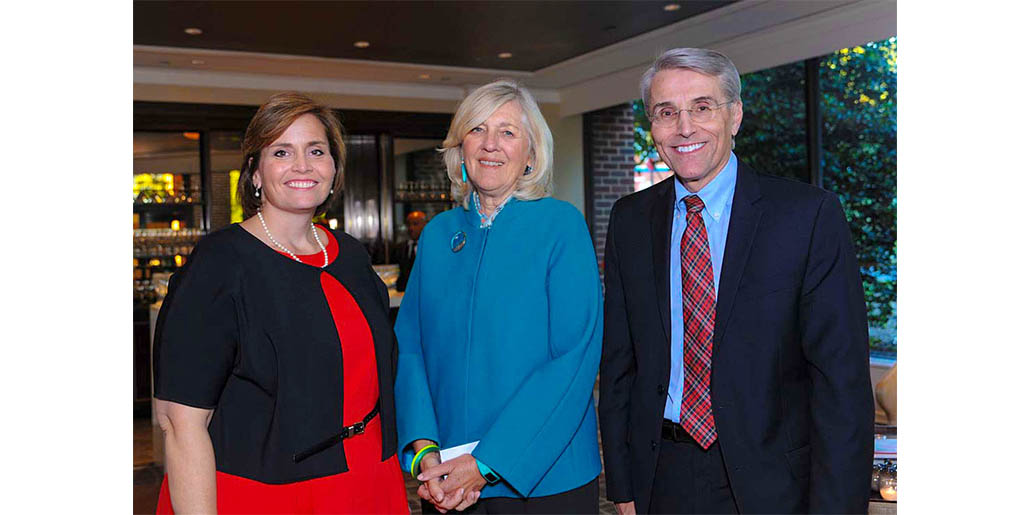 https://canceradvocacy.org/wp-content/uploads/Focus-on-the-Care1.jpg
515
1030
actualizedevs
https://canceradvocacy.org/wp-content/uploads/CancerNation_Logo_40Yrs_Stacked_TwoColor-scaled.png
actualizedevs2015-10-22 18:00:192020-12-01 12:27:00NCCS Celebrates “Focus on the Care” Reception in Honor of Dr. Richard Pazdur and Ellen Goodman
https://canceradvocacy.org/wp-content/uploads/Focus-on-the-Care1.jpg
515
1030
actualizedevs
https://canceradvocacy.org/wp-content/uploads/CancerNation_Logo_40Yrs_Stacked_TwoColor-scaled.png
actualizedevs2015-10-22 18:00:192020-12-01 12:27:00NCCS Celebrates “Focus on the Care” Reception in Honor of Dr. Richard Pazdur and Ellen Goodman https://canceradvocacy.org/wp-content/uploads/2015/01/20years.gif
500
500
actualizedevs
https://canceradvocacy.org/wp-content/uploads/CancerNation_Logo_40Yrs_Stacked_TwoColor-scaled.png
actualizedevs2015-10-21 09:33:422015-10-21 09:33:42Twenty Years Later Blog Series: Introducing the Tenth Principle of the Imperatives for Quality Cancer Care
https://canceradvocacy.org/wp-content/uploads/2015/01/20years.gif
500
500
actualizedevs
https://canceradvocacy.org/wp-content/uploads/CancerNation_Logo_40Yrs_Stacked_TwoColor-scaled.png
actualizedevs2015-10-21 09:33:422015-10-21 09:33:42Twenty Years Later Blog Series: Introducing the Tenth Principle of the Imperatives for Quality Cancer Care https://canceradvocacy.org/wp-content/uploads/Dr-Keith-Flaherty.jpg
515
1030
actualizedevs
https://canceradvocacy.org/wp-content/uploads/CancerNation_Logo_40Yrs_Stacked_TwoColor-scaled.png
actualizedevs2015-10-19 11:51:162020-12-01 12:33:42Video Post: Dr. Keith Flaherty Discusses Genetics of Cancer, Targeted Therapies, and Clinical Trials
https://canceradvocacy.org/wp-content/uploads/Dr-Keith-Flaherty.jpg
515
1030
actualizedevs
https://canceradvocacy.org/wp-content/uploads/CancerNation_Logo_40Yrs_Stacked_TwoColor-scaled.png
actualizedevs2015-10-19 11:51:162020-12-01 12:33:42Video Post: Dr. Keith Flaherty Discusses Genetics of Cancer, Targeted Therapies, and Clinical Trials https://canceradvocacy.org/wp-content/uploads/2015/10/Elena-Shelley-Christin-Thumb.jpg
2322
2322
actualizedevs
https://canceradvocacy.org/wp-content/uploads/CancerNation_Logo_40Yrs_Stacked_TwoColor-scaled.png
actualizedevs2015-10-16 15:22:562015-10-16 15:22:56Announcing Two New Additions to the NCCS Leadership Team: An Introduction from Our CEO
https://canceradvocacy.org/wp-content/uploads/2012/12/NCCS_Starburst_Thumbnail.jpg
125
125
actualizedevs
https://canceradvocacy.org/wp-content/uploads/CancerNation_Logo_40Yrs_Stacked_TwoColor-scaled.png
actualizedevs2015-10-16 15:15:312015-10-16 15:15:31WCOE: The Dempsey Challenge, The 100 Day Project, LGBT HealthLink E-Summit, Integrating Palliative Care in Cancer Treatment, and More News
https://canceradvocacy.org/wp-content/uploads/2012/12/NCCS_Starburst_Thumbnail.jpg
125
125
actualizedevs
https://canceradvocacy.org/wp-content/uploads/CancerNation_Logo_40Yrs_Stacked_TwoColor-scaled.png
actualizedevs2015-10-16 13:11:012015-10-16 13:11:01NCCS to Honor Dr. Richard Pazdur and Ellen Goodman at “Focus on the Care” Reception
https://canceradvocacy.org/wp-content/uploads/2015/10/Elena-Shelley-Christin-Thumb.jpg
2322
2322
actualizedevs
https://canceradvocacy.org/wp-content/uploads/CancerNation_Logo_40Yrs_Stacked_TwoColor-scaled.png
actualizedevs2015-10-16 15:22:562015-10-16 15:22:56Announcing Two New Additions to the NCCS Leadership Team: An Introduction from Our CEO
https://canceradvocacy.org/wp-content/uploads/2012/12/NCCS_Starburst_Thumbnail.jpg
125
125
actualizedevs
https://canceradvocacy.org/wp-content/uploads/CancerNation_Logo_40Yrs_Stacked_TwoColor-scaled.png
actualizedevs2015-10-16 15:15:312015-10-16 15:15:31WCOE: The Dempsey Challenge, The 100 Day Project, LGBT HealthLink E-Summit, Integrating Palliative Care in Cancer Treatment, and More News
https://canceradvocacy.org/wp-content/uploads/2012/12/NCCS_Starburst_Thumbnail.jpg
125
125
actualizedevs
https://canceradvocacy.org/wp-content/uploads/CancerNation_Logo_40Yrs_Stacked_TwoColor-scaled.png
actualizedevs2015-10-16 13:11:012015-10-16 13:11:01NCCS to Honor Dr. Richard Pazdur and Ellen Goodman at “Focus on the Care” Reception https://canceradvocacy.org/wp-content/uploads/NCCN.jpg
515
1030
actualizedevs
https://canceradvocacy.org/wp-content/uploads/CancerNation_Logo_40Yrs_Stacked_TwoColor-scaled.png
actualizedevs2015-10-15 10:48:352020-12-01 12:38:21Video Post: Dr. Bob Carlson and Joan McClure Discuss the National Comprehensive Cancer Network Guidelines
https://canceradvocacy.org/wp-content/uploads/NCCN.jpg
515
1030
actualizedevs
https://canceradvocacy.org/wp-content/uploads/CancerNation_Logo_40Yrs_Stacked_TwoColor-scaled.png
actualizedevs2015-10-15 10:48:352020-12-01 12:38:21Video Post: Dr. Bob Carlson and Joan McClure Discuss the National Comprehensive Cancer Network Guidelines