
• Link to Facebook
  • Link to X
  • Link to Youtube
  • Link to Instagram
  • Link to LinkedIn
  • Link to Rss this site
  • Store
  • Donate
  • About
        • About Us

        • Cancer Nation is the oldest cancer survivor-led non-profit organization in America. We advocate for quality cancer care for all touched by cancer.

        • About NCCS

        • Our Mission
        • What is Advocacy?Learn about the different types of cancer advocacy, from personal advocacy to public interest advocacy.
        • Our HistoryRead how Cancer Nation’s leaders coined the term “cancer survivor,” and established the nation’s first survivor-led non-profit organization.
        • Our Team
        • Financial Information
        • Employment
        • Contact Us
        • Support Our Mission

        • Make A GiftSupport our mission of quality cancer care for all with a gift to Cancer Nation.
        • The 1986 ClubMake a monthly commitment to support Cancer Nation, empower cancer survivors, and advance public policy.
        • Ways to GiveLearn about other ways you can contribute to Cancer Nation such as planned giving, employer matches, shopping online, and more.
        • Partnerships
  • News
    • Cancer Nation News
    • Advocate SpotlightEach month, Cancer Nation highlights a cancer survivorship advocate, sharing their story and the work they do in their communities.
    • Policy CommentsRead Cancer Nation’s comments to Congress, HHS, and other federal policymakers in Washington, DC on proposed rules and legislation.
    • Issue StatementsRead Cancer Nation statements on pressing issues and developments in Washington affecting cancer survivors and their families.
  • Policy
        • Policy

        • Public policy is government action, in the form of legislation, regulation, funding, and other actions. Public policy affects people with cancer and the cancer care system in many ways.

        • Our Policy Priorities

        • Quality Cancer CareQuality cancer care is essential for patients. Learn how Cancer Nation and others define quality.
        • Access to CareCancer Nation believes cancer care and clinical trials should be affordable and accessible to everyone.
        • Health EquityThe cancer experience is not the same for everyone. Cancer Nation works on policy efforts to reduce disparities in outcomes.
        • Current Issues

        • Protecting Access to Medicaid for Cancer Survivors
        • Comprehensive Cancer Survivorship Act (CCSA)The CCSA is a large comprehensive bill introduced in Congress that aims to improve quality of care in all stages of a diagnosis.
        • Cancer Care Planning and Communications Act (CCPCA)CCPCA is a bill that would provide a billable Medicare service code for cancer care planning.
        • DIEP Flap AccessCancer Nation advocates for protection of access to DIEP Flap Breast Reconstruction Surgery for all breast cancer survivors.
        • Policy CommentsRead Cancer Nation’s comments to Congress, HHS, and other federal policymakers in Washington, DC on proposed rules and legislation.
        • Issue StatementsRead Cancer Nation statements on pressing issues and developments in Washington affecting cancer survivors and their families.
        • Quality Measurement Research
  • Get Involved
        • Get Involved

        • Whether you’re new to cancer advocacy or already have experience as an advocate, there are numerous ways you can get involved with Cancer Nation.

        • Join Cancer Nation

        • Cancer Nation AdvocatesA program that brings together individuals who care about cancer care to learn how policy shapes our health care system—and how we can improve it together.
        • Cancer Nation Leadership AcademyEmerging leaders improving cancer care in their communities.
        • Cancer Nation Corporate Council
        • Advocacy OpportunitiesThis page provides a list of upcoming events, webinars, conferences, and advocacy campaigns from Cancer Nation and other leading cancer organizations.
        • Connect with Us

        • Subscribe to Cancer Nation Updates
        • Follow Cancer Nation on Social Media
        • Survivor Stories
        • Cancerversary
        • Support Cancer Nation

        • Make A Gift
        • Ways to Give
        • The 1986 Club
  • Survivorship Survey
        • State of Survivorship Survey

        • Cancer Nation conducts an annual State of Survivorship Survey, in partnership with Edge Research, to explore the cancer patient and survivor journey. This study captures a range of perspectives to better understand how Cancer Nation can support its mission to advocate for quality cancer care for all.

        • Reports by Year

        • 2025 Survey Report
        • 2024 Survey Report
        • 2023 Survey ReportThe 2023 Survey explored the caregiver experience for the first time, and features new data on the effect of cancer treatment on employment.
        • 2022 Survey ReportThe 2022 Survey found significant disparities in cancer care that impact people of color, young adults, women, and those with metastatic cancer, at higher rates.
        • 2021 Survey ReportThe 2021 Survey demonstrated that when patients receive quality care, have excellent support, and have financial resources, they are more likely to have positive outcomes.
        • 2020 Survey ReportIn the 2020 Survey, survivors reported that their care team is not helpful at addressing some common side effects of their cancer such as fatigue, anxiety, and depression.
  • Survivorship Checklist
        • Cancer Survivorship Checklist

        • The Cancer Survivorship Checklist is designed to be a simple, straightforward tool patients and caregivers can use as a guide for information critical to their care wherever they are on the cancer care continuum.

        • Start Your Cancer Survivorship Checklist
        • Survivorship Checklist Guide for Clinicians
        • Resources for Cancer Survivors

        • Survivorship ResourcesA collection of resources that provide information about navigating the cancer journey.
        • Cancer RehabilitationA supportive health care service that helps improve a person’s functioning during and after cancer treatment.
        • Integrative OncologyA field that combines traditional cancer treatments with therapies that support a person’s natural healing ability.
        • Palliative CareSpecialized medical care for people living with a serious illness that provides relief from the symptoms and stress to improve their quality of life.
        • Cognitive HealingA resource to support cognitive functioning after cancer treatment. Includes cognitive training strategies and tools for both adults and children.
  • Resources
        • Resources

        • Cancer Nation provides a wide variety of resources for patients, caregivers, and health care professionals.

        • Resources for Survivors and Caregivers

        • Health Insurance & Open Enrollment
        • Cancer Survival ToolboxA free, award-winning audio program created by leading cancer organizations to help people better meet & understand the challenges of their illness.
        • Ina® The Intelligent Nutrition Assistant
        • Telehealth
        • Care Planning for Cancer Survivors
        • Remaining Hopeful
        • Self Advocacy
        • Talking With Your Doctor
        • Taking Charge of Your Care
        • Order Our Resources
        • Resources for Health Care Professionals

        • Tools For Care Providers
        • Telehealth Project
        • Survivorship Champions Webinars
        • Survivorship Checklist Guide for Clinicians
  • Events
    • 2026 Cancer Nation Summit
    • Igniting Hope Awards Reception
    • Ellen L. Stovall Award
      • 2025 Winners
      • Awardees
      • Nominations
      • Committees
    • Cancer Nation Webinars
    • Cancer Nation Policy Roundtable
      • Fall 2025
      • Spring 2025
      • Fall 2024
      • Spring 2024
      • Fall 2023
      • Spring 2023
  • 0

NCCS is now Cancer Nation. Find out more about our next chapter.    Join Us

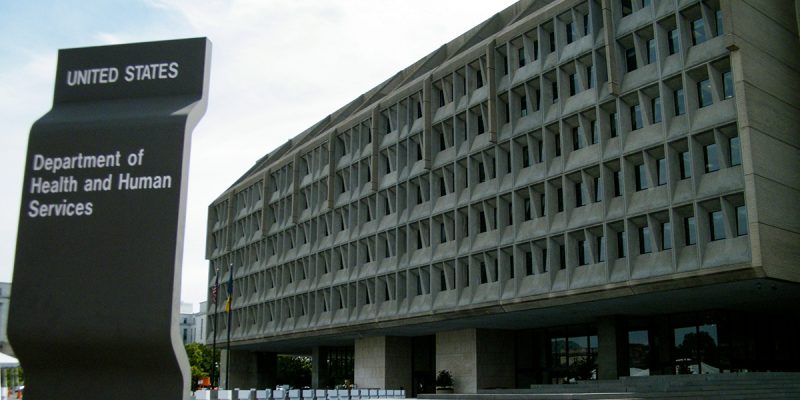
NCCS Policy Comments HHS bldg

NCCS Submits Recommendations to CMS Regarding Proposed Changes to Hospital Outpatient Prospective Payment System (OPPS)
September 27, 2018/in Cancer Nation News, Cancer Policy Blog, CMS, HHS, Policy Comments Access to Care, Health Care Coverage, Payment Reform, Quality Cancer Care Cancer Nation News, Policy Comments
Department of Health and Human Services (HHS)

NCCS submitted a letter to the Centers for Medicare and Medicaid Services (CMS) on the proposed update to the hospital outpatient prospective payment system, known as OPPS, for calendar year 2019.

In the letter, NCCS addresses the proposed change in payment for clinical services that are provided at off-campus provider-based departments. While the proposal will reduce cost-sharing for patients for clinic visits, NCCS recommends evaluation of the potential unintended consequences of the change. Additionally, CMS included a “request for information” in the proposed rule on the topic of price transparency. NCCS endorses the idea of price transparency, but also has concerns about how patients utilize this information given their individual cost-sharing associated with that care.

NCCS writes:

Perhaps in some circumstances they will be motivated to alter their decisions based on the overall cost of care and concerns about the impact of those costs on the health care system, but that is not the primary source of action for cancer patients.

Finally, NCCS commented in favor of reforming the drug acquisition program, called the Competitive Acquisition Program (CAP), which is a voluntary program that offers physicians an option to acquire Medicare Part B drugs from vendors who are elected in a competitive bidding process. NCCS suggests the CAP should be accompanied by improvements to the way cancer care professionals are paid for the services they provide. NCCS outlines several considerations for CMS to avoid mistakes made in the previous CAP implementation.

Read the full NCCS letter below.

Download the Comment Letter [PDF] (Right-click, save as)

NCCS Logo


September 24, 2018

Seema Verma, MPH
Administrator
Centers for Medicare & Medicaid Services
Department of Health and Human Services
200 Independence Avenue, SW
Washington, DC 20201

Re: CMS-1695-P, Medicare Program: Proposed Changes to Hospital Outpatient Prospective Payment and Ambulatory Surgical Center Payment Systems and Quality Reporting Programs; Requests for Information on Several Issues

Dear Administrator Verma:

The National Coalition for Cancer Survivorship (NCCS) is a national organization engaged in public policy efforts to ensure access to quality care for survivors of all forms of cancer. We have pursued reforms of Medicare payment for cancer care as a means to enhance the overall quality of the system. We appreciate the opportunity to comment on the proposed update to the hospital outpatient prospective payment system for calendar year 2019.

Encouraging Site Neutrality in Payment for Clinic Visits

In the last decade, changes in ownership of oncology practices have resulted in more cancer care services being provided in off-campus provider-based departments (PBD) that are paid under the outpatient prospective payment system (OPPS). This has resulted in increased cost-sharing for cancer patients, due to the higher rates of payment under OPPS, compared to payments under the physician fee schedule. This is a serious concern for cancer patients, many of whom face financial toxicity because of their cancer treatment.

Some cancer experts contend that the consolidation of oncology practices and the increased ownership by hospital systems has resulted in improvements in the availability and quality of supportive care services for patients in those off-campus provider-based departments. Others suggest that there are not significant differences in the care delivered in oncology practices that are independent and care in those practices those operating as off-campus sites of hospitals.

The proposal to apply a physician fee schedule (PFS)-equivalent rate of payment for clinical services that are provided at an off-campus provider-based department (PBD) that is paid under the outpatient prospective payment system will provide relief to cancer patients through the reduction of their cost-sharing for clinic visits. The agency projects that the application of PFS-equivalent rate for PBD services will reduce the payment for clinic services from approximately $116 to approximately $46, with a corresponding reduction in the average beneficiary cost-sharing from $23 TO $9.

Although the reduction in beneficiary cost-sharing responsibility is a positive, we recommend that changes in the payment for clinic services provided in PBDs be undertaken only after evaluation of the possible unintended consequences of this reimbursement change. Just as there were unintended consequences from the consolidation of oncology practice ownership through hospital acquisition, so there may be consequences from payment for PBD services at the PFS rate.

Request for Information on Price Transparency: Improving Beneficiary Access to Provider and Supplier Charge Information

CMS has included in the proposed rule a “request for information” on the topic of price transparency. NCCS endorses the fundamental concept of health care cost transparency. However, we have basic questions about what information about health care costs is important to and actionable by patients as well as questions about how to achieve transparency in the system.

Even if comprehensive information about all elements of care could be provided to cancer patients, we are not persuaded that such information would be useful to them unless it was accompanied by accurate and timely information about their insurance policies and how those policies will cover and pay for the care they need. They need clarity that their insurance will cover they care that they need and that they can manage the cost-sharing associated with that care. Patients are more likely to act based on how health care costs will affect them, which means what their cost-sharing responsibilities will be. Perhaps in some circumstances they will be motivated to alter their decisions based on the overall cost of care and concerns about the impact of those costs on the health care system, but that is not the primary source of action for cancer patients.

In recent months, much attention has been directed to “surprise” emergency department charges and also surprise out-of-network provider charges. Some have suggested that these matters can be addressed at least in part by transparency about emergency department charges and also out-of-network charges. Although we support transparency regarding these charges, we do not believe that transparency will fully address the financial exposure of consumers. Instead, consumers must have protection related to third-party coverage of emergency department charges and solid information about how their payers will cover out-of-network services.

The experience related to communication of cost of care in the Oncology Care Model also underscores the difficulties in achieving transparency in cost of care. The initial objection in the Oncology Care Model was for participating practices to communicate the total cost of care to patients. Upon receiving feedback from OCM participating practices regarding the difficulty of obtaining and communicating the data related to total cost of care, the requirement was modified to relate to patient cost of care. The feedback from OCM practices is that the responsibility for communicating patient cost of care is a significant burden. Expanding that responsibility to require communication regarding overall cost of care is not advisable.

If a goal of transparency is to inform policymakers and patient advocates and to motivate their action related to health care pricing, the agency must give considerable thought to how to provide comprehensive and accurate pricing data as well as how to publish and publicize those data to a broad audience. Efforts related to pricing information to date have not achieved the goals of accuracy and comprehensiveness. Even if CMS can set standards and encourage compliance with requirements for pricing disclosure, the impact of that effort is still not clear. If the collection and dissemination of pricing information is to have an impact beyond generally improving public awareness of health care costs, the agency must determine if it wishes to encourage use of the data by public and private payers and consumers and how it can encourage that use.

While these serious questions are evaluated and addressed, we encourage immediate action to inform patients about their out-of-pocket responsibilities, which may require the imposition of information-sharing responsibilities on third-party payers.

Request for Information on Leveraging the Authority for the Competitive Acquisition Program (CAP) for Part B Drugs and Biologicals for a Potential CMS Innovation Center Model

For some time, NCCS has advocated an end to the buy-and-bill system for acquisition of physician-administered drugs under Medicare Part B. We favor a reform of the drug acquisition system, to be accompanied by improvements in the payment for services provided by cancer care professionals. We understand the concerns that the buy-and-bill system, which incorporates a reimbursement formula of ASP+6 percent, may incentivize the use of more expensive drugs. We believe that the evidence on that issue is mixed and that is not the primary motivation for our support of reform. However, by reforming the Part B drug acquisition system, that issue will be addressed. In addition, the concerns among some oncology practices regarding the costs of acquiring and storing drugs will be addressed by buy-and-bill reforms. Changing the drug reimbursement system also creates the opportunity to improve overall the manner in which cancer care professionals are reimbursed for their services.

The agency seeks comment on how to implement the competitive acquisition system and to avoid the mistakes of the previous CAP implementation effort. We identify the following issues for consideration by CMS in testing CAP again:

  • CAP should not block or slow patient access to drugs. In the previous test of CAP, the vendor would delay shipment of drug if there were questions about payment of patient cost-sharing. Sophisticated billing software is available, and we expect that vendors can utilize such software to manage patient billing and to protect against delays in drug shipments that harm patients.
  • CAP should not be utilized to implement a restrictive formulary in the Medicare Part B program. We have expressed our opposition to the plan to permit Medicare Advantage plans to use step therapy strategies beginning in 2019, and we would also oppose utilizing CAP as a means to limit patient access to cancer therapies in Part B.
  • The request for information lists a number of different pricing and reimbursement systems that might be tested through CAP. We are concerned that the agency is attempting to test too many concepts through CAP. There are important problems that arose in the initial CAP program that must be addressed, including ensuring timely shipments, addressing issues related to beneficiary cost-sharing, and guaranteeing robust provider participation to support a solid evaluation of the program. We think that the request for information may be overly ambitious in identifying a wide range of pricing and reimbursement systems for testing while fundamental questions about the workability of the distribution system are addressed. Also, as noted above, we do not support the implementation of CAP as a means of imposing a restrictive formulary in Part B. As we argued in connection with the step therapy proposal, such a plan is at odds with the needs of cancer patients in an age when therapies are increasingly personalized.

The Part B drug payment system is generally recognized as a system that subsidizes the cost of physician services in providing cancer care. If the CAP system serves as a major overhaul of the drug distribution system, it should be accompanied by reforms in payment for physician services. We understand that the OCM is a major test of episodes in cancer care that is still underway. However, if CMS intends to move forward with CAP, it is necessary to address those services still reimbursed outside the OCM on a fee-for-service basis.

We appreciate the opportunity to comment on proposed reimbursement changes for 2019 and RFIs that suggest additional, major changes in Medicare reimbursement in the near future. We look forward to ongoing discussion with CMS on the topics of the RFIs.

Sincerely,

Shelley Fuld Nasso, MPP
Chief Executive Officer

# # #

Download the full letter to the Centers for Medicare and Medicaid Services (CMS) » [PDF]

Read more NCCS Policy Comments »

Tags: CMS, HHS, Medicare, payment reform, policy comments
Share this entry
  • Share on Facebook
  • Share on X
  • Share on WhatsApp
  • Share on LinkedIn
https://canceradvocacy.org/wp-content/uploads/2017/10/NCCS-Policy-Comments-HHS-bldg.jpg 600 1200 actualizedevs https://canceradvocacy.org/wp-content/uploads/CancerNation_Logo_Stacked_TwoColor.svg actualizedevs2018-09-27 14:45:362020-10-08 16:12:50NCCS Submits Recommendations to CMS Regarding Proposed Changes to Hospital Outpatient Prospective Payment System (OPPS)

Latest News

A graphic showing the Medicaid.gov website

Cancer Nation Statement: Medicaid Work Requirements Will Unfairly Burden Cancer Survivors

June 4, 2026
Cancer Nation strongly supports a health care system free of waste, fraud, and abuse. Health care resources must be directed to delivery…
Read more
https://canceradvocacy.org/wp-content/uploads/Stock-Medicaid-website-Adobe-927192378.jpg 675 1200 NCCS Staff https://canceradvocacy.org/wp-content/uploads/CancerNation_Logo_Stacked_TwoColor.svg NCCS Staff2026-06-04 12:56:142026-06-05 13:42:09Cancer Nation Statement: Medicaid Work Requirements Will Unfairly Burden Cancer Survivors
Image with graphics and text that reads Cancer Nation Understanding Blood-Based Testing in Cancer Care | Watch Now | With Support From: Guardant Health Logo

Webinar – Understanding Blood-Based Testing in Cancer Care

May 29, 2026
Cancer Nation's Webinar Series presents a clear, practical conversation about advances in blood-based testing and how they're shaping…
Read more
https://canceradvocacy.org/wp-content/uploads/Blood-Based-Testing-Webinar-post.jpg 675 1200 NCCS Staff https://canceradvocacy.org/wp-content/uploads/CancerNation_Logo_Stacked_TwoColor.svg NCCS Staff2026-05-29 11:28:002026-05-29 11:28:00Webinar – Understanding Blood-Based Testing in Cancer Care
a picture of susie leigh similing wearing a purple top. Words over the photo read In loving memory, Susie Leigh, Cancer Nation Co-founder, 1947-2026

Remembering Susie Leigh: A Founder, a Force, and a Friend

May 28, 2026
Susan (Susie) Leigh, BSN, RN-Retired — one of the founding members of Cancer Nation, a five-time cancer survivor, and one of the…
Read more
https://canceradvocacy.org/wp-content/uploads/Susie-Leigh-In-Memory-blog.jpg 900 1600 NCCS Staff https://canceradvocacy.org/wp-content/uploads/CancerNation_Logo_Stacked_TwoColor.svg NCCS Staff2026-05-28 15:14:382026-06-04 14:32:40Remembering Susie Leigh: A Founder, a Force, and a Friend

Take Action

Link to: Survivorship Champions

Get Involved in Research

Cancer Nation conducts an annual Survivorship Survey to explore how patients and survivors are living with, through, and beyond cancer. This study captures a range of perspectives to better understand how Cancer Nation can support its mission to advocate for quality cancer care for all.

Learn More and Request Data Here »
Link to: Cancer Nation Advocates

Join Cancer Nation Advocates

Cancer Nation Advocates is a a program that brings together individuals who care about cancer care to learn how policy shapes our health care system—and how we can improve it together

Learn More and Join »
Link to: Survivor Stories

Share Your Story

Cancer Nation represents the millions of Americans who share a common experience – living with, through and beyond a cancer diagnosis. By sharing your story of how you have been touched by cancer, you are supporting the national cancer survivorship movement.

Share Your Story »
  • About
    • Our Mission
    • What is Advocacy?
    • Our History
    • Our Team
    • Financial Information
    • Employment
    • Contact Us
    • Make A Gift
    • The 1986 Club
    • Ways to Give
    • Partnerships
  • News
    • Cancer Nation News
    • Advocate Spotlight
    • Policy Comments
    • Issue Statements
  • Policy
    • Quality Cancer Care
    • Access to Care
    • Health Equity
    • Protecting Access to Medicaid for Cancer Survivors
    • Comprehensive Cancer Survivorship Act (CCSA)
    • Cancer Care Planning and Communications Act (CCPCA)
    • DIEP Flap Access
    • Policy Comments
    • Issue Statements
    • Quality Measurement Research
  • Get Involved
    • Cancer Nation Advocates
    • Cancer Nation Leadership Academy
    • Cancer Nation Corporate Council
    • Advocacy Opportunities
    • Subscribe to Cancer Nation Updates
    • Follow Cancer Nation on Social Media
    • Survivor Stories
    • Cancerversary
    • Make A Gift
    • The 1986 Club
    • Ways to Give
  • Survivorship Survey
    • 2025 Survey Report
    • 2024 Survey Report
    • 2023 Survey Report
    • 2022 Survey Report
    • 2021 Survey Report
    • 2020 Survey Report
  • Survivorship Checklist
    • Start Your Cancer Survivorship Checklist
    • Survivorship Resources
    • Cancer Rehabilitation
    • Integrative Oncology
    • Palliative Care
    • Cognitive Healing
    • Survivorship Checklist Guide for Clinicians
  • Resources
    • Cancer Survival Toolbox
    • Telehealth
    • Health Insurance & Open Enrollment
    • Care Planning for Cancer Survivors
    • Ina® The Intelligent Nutrition Assistant
    • Remaining Hopeful
    • Self Advocacy
    • Talking With Your Doctor
    • Taking Charge of Your Care
    • Order Our Resources
    • Tools For Care Providers
    • Telehealth Project
    • Survivorship Champions Webinars
    • Survivorship Checklist Guide for Clinicians
  • Events
    • 2026 Cancer Nation Summit
    • Igniting Hope Awards Reception
    • Ellen L. Stovall Award
      • 2025 Winners
      • Awardees
      • Nominations
      • Committees
    • Cancer Nation Webinars
    • Cancer Nation Policy Roundtable
      • Fall 2025
      • Spring 2025
      • Fall 2024
      • Spring 2024
      • Fall 2023
      • Spring 2023
  • Search
  • Cart

Charity Navigator Four-Star Rating

Cancer Nation Logo

Cancer Nation
8455 Colesville Road  |  Suite 1025 | Silver Spring, MD 20910
info@canceradvocacy.org | (877) NCCS-YES
Privacy Policy  |  Terms and Conditions

Copyright © 1995-2026 by Cancer Nation. National Coalition for Cancer Survivorship, NCCS, Cancer Survival Toolbox, Cancerversary, and related Logos are registered in the United States as trademarks of Cancer Nation (formerly the National Coalition for Cancer Survivorship).

Link to: NCCS Joins Cancer Leadership Council Recommendations to FDA Regarding the Biosimilar Action Plan Link to: NCCS Joins Cancer Leadership Council Recommendations to FDA Regarding the Biosimilar Action Plan NCCS Joins Cancer Leadership Council Recommendations to FDA Regarding the Biosimilar...NCCS Policy Comments FDA bldg Link to: Health Care Roundup: NCCS on Proposed OPPS Changes; Bipartisan Proposal to End ‘Surprise Billing’; Medicaid Work Req’s; Financial Toxicity Survey; More Link to: Health Care Roundup: NCCS on Proposed OPPS Changes; Bipartisan Proposal to End ‘Surprise Billing’; Medicaid Work Req’s; Financial Toxicity Survey; More NCCS Starburst 250pxHealth Care Roundup: NCCS on Proposed OPPS Changes; Bipartisan Proposal to End...
Scroll to top Scroll to top Scroll to top

This website uses cookies to improve user experience. By continuing to use this site, you agree to our Privacy Policy. Learn More.

Get Updates From Cancer Nation

Be the first to hear about cancer policy and survivorship issues! Subscribe and receive the twice-monthly Cancer Nation News, invites to webinars and events, and more.

  • This field is for validation purposes and should be left unchanged.

Connect With Us

Twitter     Facebook     Instagram     LinkedIn     YouTube

Harmar Brereton, MD

Founder
Northeast Regional Cancer Institute


“Perhaps one of the most impactful collaborations in Dr. Brereton’s extraordinary career remains his early work and long friendship with Ellen Stovall. Through him, and in turn through the thousands of lives he has touched, Ellen’s work continues, and her mission lives on.”

—Karen M. Saunders
President, Northeast Regional Cancer Institute