There Is No Right or Wrong Way to Grieve: Joslyn Trovati on Grief, Survivorship, and Whole Person Cancer Care
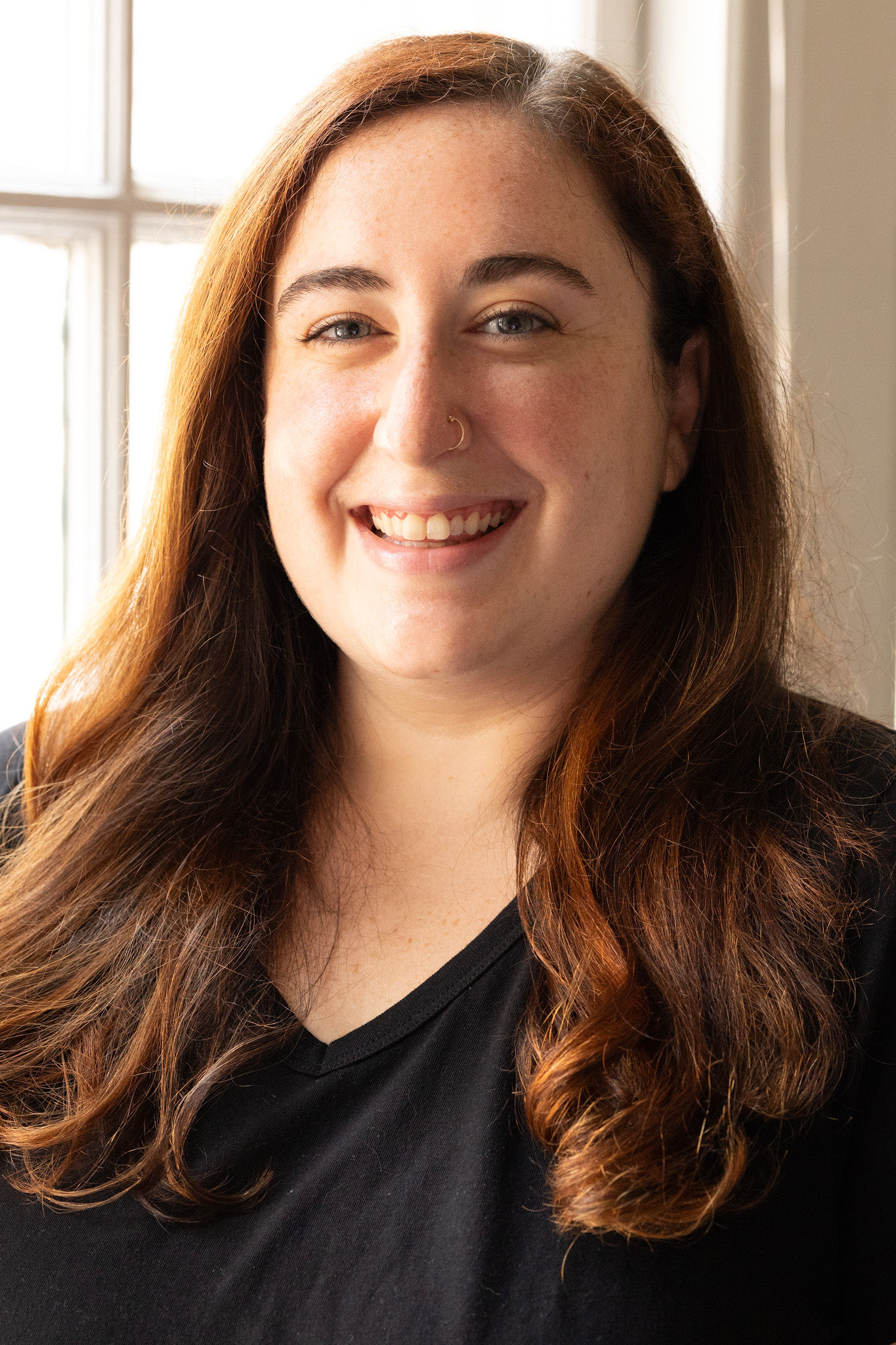 In Joslyn Trovati’s office, people tell the truth. They bring their heartbreak and their hope, their tears and their laughter, and the parts of the cancer experience that no one else wants to sit with. As a behavioral health therapist and a young adult cancer survivor herself, Joslyn has built her work around protecting that space, the one place where a survivor or a caregiver can say the thing they are not supposed to say out loud.
Joslyn is an oncology therapist at Inova Peterson Life With Cancer in Fairfax, Virginia, where she offers short-term therapy to people with cancer, their caregivers, and bereaved loved ones. She is also new to the Cancer Nation community, and this year she stood in front of a room at the Cancer Nation Summit taking time to talk about something the cancer world too often rushes past: grief.
Oncology Is Where Her Heart Is: A Path Into Cancer Care
When Joslyn started school for social work, she was certain of one thing; the last place she would ever work was health care. Then, in the spring of 2020, she took a class on illness and family caregiving, and it rearranged everything. She chose a field placement on an inpatient palliative care team at a Philadelphia hospital, not knowing she would walk through those doors that fall in the middle of a pandemic.
Watching medical social workers show up for patients and families every day was what settled it. She finished her MSW, started her career at a major Philadelphia cancer center, and never looked back.
The pull toward service runs in her family. Her grandmother was a teacher, guidance counselor, ombudsman, and psychotherapist. Her mother was a life coach. Joslyn comes from generations of women who spent their lives helping others, and she credits their kindness and commitment with setting her on the path to becoming a social worker and a therapist.
What Grief Looks Like in Cancer
At the Cancer Nation Summit, Joslyn returned to one idea again and again. There is no right or wrong way to grieve. Whatever your role in the cancer experience, she says, you are entitled to name, express, and share your grief.
She wants survivors and caregivers to understand that grief is not a phase to be completed and left behind. “Whether we welcome it or not, grief walks alongside us for the rest of our lives,” Joslyn says.
Grief may look and feel different as time passes, she says, but it stays with us even as our worlds change and grow around it. And everyone deserves to honor it in the way that is truest to them, whether in public or in private, in quiet rituals or shared traditions, through words, art, song, or connection with nature.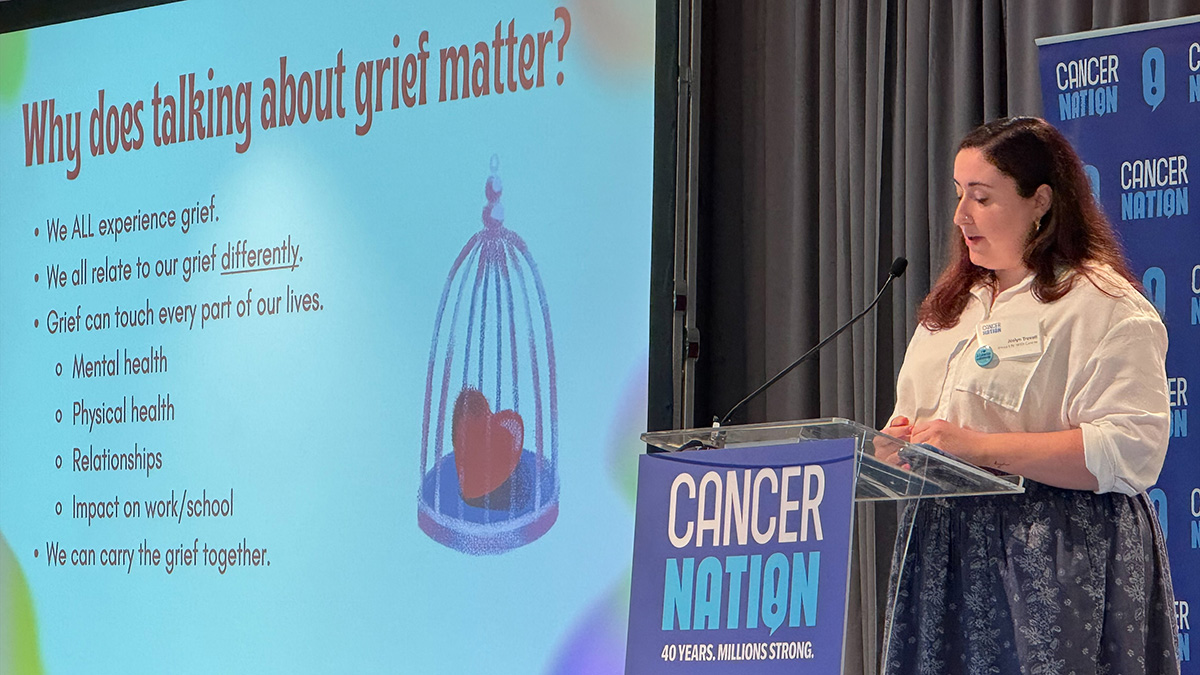
Whole Person Cancer Care, From Diagnosis Forward
Joslyn’s clinical interests read like a map of the places cancer care too often goes quiet: palliative care, grief, adolescents and young adults, and fertility preservation. As a young adult cancer survivor, she advocates for a community that is navigating cancer alongside school, careers, romantic relationships, and family planning, and she believes each of these areas needs to be discussed more candidly. 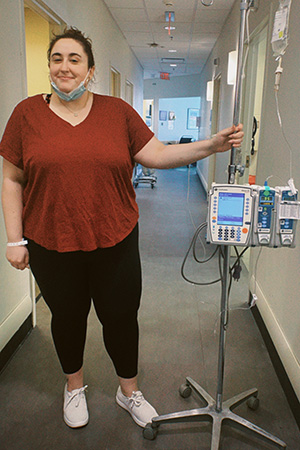 She is also a firm believer that palliative care can, and should, begin at diagnosis, with early conversations about values, quality of life, and how to manage pain and treatment side effects.
She has also seen what stands in the way. In oncology clinics, Joslyn spent much of her time helping survivors navigate finances, insurance, transportation, and a scarcity of resources. Sometimes the emotional work had to wait while she focused on keeping a patient’s lights on or figuring out their next meal. And when she succeeded, when she secured a ride to chemotherapy or a grant to help cover rent, the relief itself created room for the feelings to surface. Joslyn’s experiences show us how emotional care and material stability are not separate needs. They hold each other up.
Joslyn wants the system to close the distance between disciplines. From working in clinics, she has watched how differently a hard conversation can go when social workers and doctors prepare together and walk into the room with a shared understanding of a survivor’s emotional needs. More collaborative, interdisciplinary training between oncologists and mental health providers, she says, would change what care feels like for the people receiving it.
You Do Not Have to Do This Alone
Much of Joslyn’s work comes down to a single, quiet correction. She often hears damaging narratives about the need to be “strong” in the face of cancer. When she meets that pressure in the therapy room, she helps survivors examine what strength actually means, who defines it, and who those expectations really serve. Often, just asking the question is enough to open a door. You do not have to be strong. You can say no. You can name a need, and that is neither weakness nor a burden.
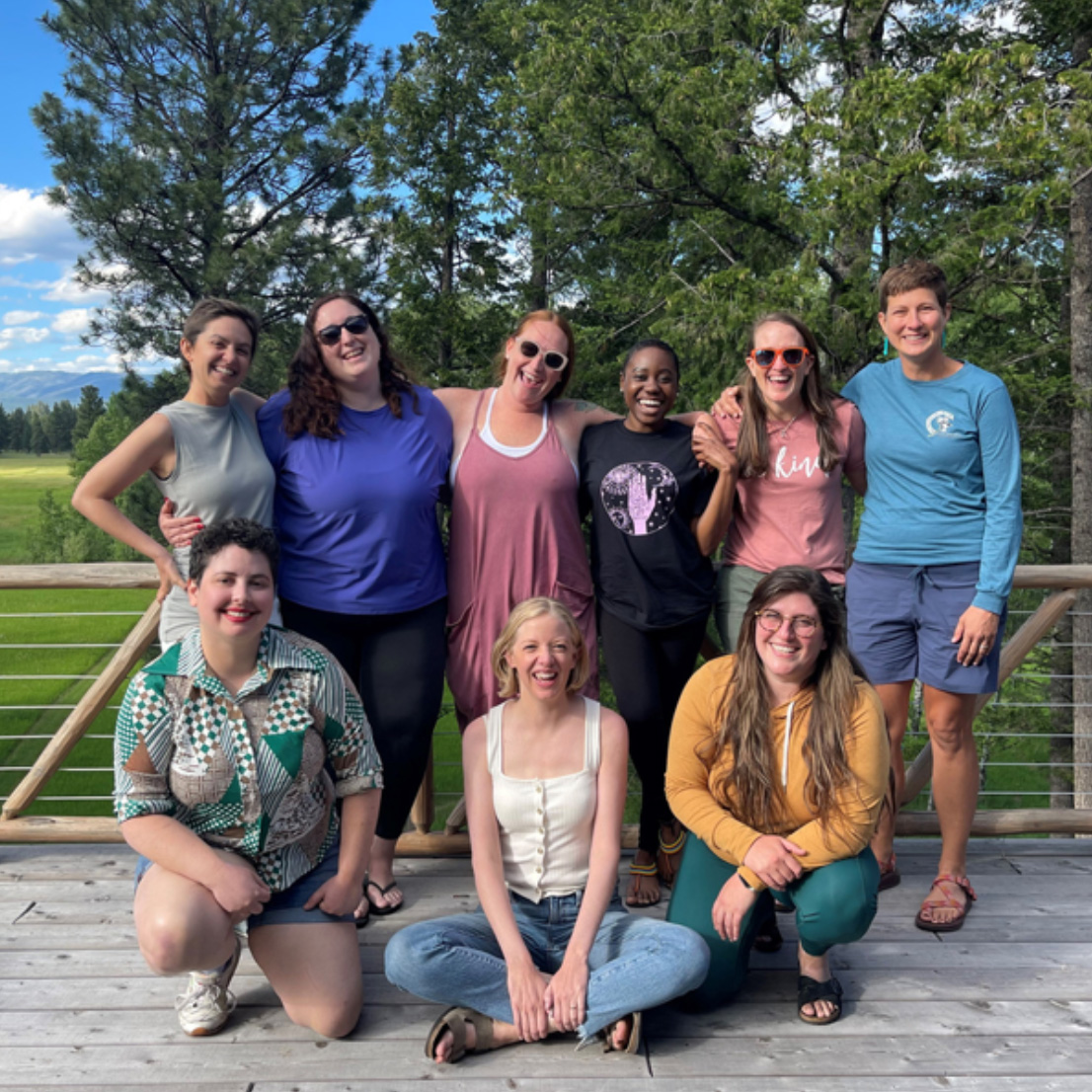 Her message to survivors and caregivers, especially those newly diagnosed or newly grieving, holds two truths at once. You do not have to endure this alone, and you deserve to be embraced and protected. Finding support that works for you, whether therapy, a support group, an online community, advocacy work, or some combination, can make the experience even the tiniest bit more bearable.
Joslyn is already looking forward to Hill Day next year, when she plans to speak with elected officials about expanding cancer survivorship care at the state and federal levels. Her message to policymakers is direct. Think about the people you love most. If your spouse, your parent, your child, or your childhood friend were diagnosed with cancer, you would want them to have every resource and investment in their long-term health that they deserve. If the answer is yes, she says, then supporting survivorship care should be a no-brainer.
Want to turn your experience into action, the way Joslyn has?
Learn more about Cancer Nation Advocates and join for free. »
Check out how Cancer Nation Ambassadors are improving survivorship care in their communities »
Frequently Asked Questions
What is Whole Person Cancer Care?
Whole Person Cancer Care means treating the entire person affected by cancer, not only the disease. It includes mental and emotional health, financial stability, practical needs like transportation, and support for caregivers, all alongside medical treatment. As Joslyn Trovati’s work shows, a survivor who cannot pay rent or reach a chemotherapy appointment cannot fully focus on healing. Cancer Nation advocates for a system that treats these needs as connected, from diagnosis onward.
How do cancer survivors and caregivers cope with grief?
There is no single right way to grieve. Grief in the context of cancer can show up at any stage, for survivors and caregivers alike, and it often stays with people long after treatment ends. Joslyn Trovati encourages survivors and caregivers to name and honor their grief in whatever way feels true to them, whether through therapy, ritual, art, connection with others, or time in nature, and to know that they are entitled to that grief no matter their role in the cancer experience.
When should palliative care start?
Palliative care can and should begin at diagnosis, not only at the end of life. Early palliative care focuses on a person’s values, quality of life, and the management of pain and treatment side effects. Beginning these conversations early, Trovati says, helps survivors make care decisions that reflect what matters most to them.
How can cancer survivors and caregivers get involved in advocacy?
Survivors and caregivers can turn their lived experience into policy change through Cancer Nation Advocates, Cancer Nation’s advocacy training program. Advocates learn to speak with elected officials, share their stories, and push for expanded survivorship care at the state and federal levels. Joslyn plans to join Hill Day next year to advocate for exactly that. Learn more at canceradvocacy.org.
What mental health support is available for people with cancer?
Many cancer centers offer behavioral health services, including short-term therapy, support groups, and counseling for survivors, caregivers, and bereaved loved ones. Some programs, like the one where Joslyn Trovati works, provide these services at no cost. Cancer Nation advocates for mental health support to be integrated into cancer care as a standard part of Whole Person Cancer Care, not an afterthought.