Spring 2021 Cancer Policy Roundtable
April 22, 2021
NCCS hosted the 21st annual Spring Cancer Policy Roundtable on April 22, 2021. We’re pleased to share the video from each session, along with links to meeting materials, slide decks, and resources discussed in the sessions.
NCCS brought together experts and cancer survivors to discuss the impact of the pandemic on cancer care, including how positive innovations in cancer care as a result of the pandemic will continue and expand. We also addressed the mental health issues faced by cancer survivors before and during the pandemic and changes in access to mental health care. These topics are considered through the lens of building a more equitable health care system, in light of the disparate impact of COVID-19 on Black and Hispanic Americans.
Sessions
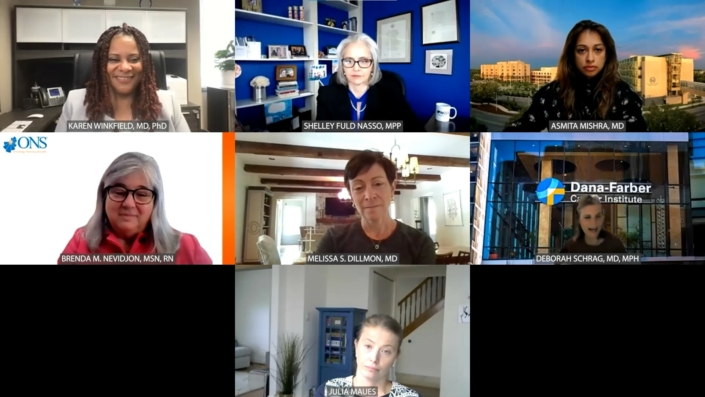
Experimentation in Cancer Care: Inspired (or Forced) by the Pandemic?
Patient Keynote and Panel Discussion
One of the immediate health care responses to the pandemic was providing telehealth services. Providers embraced the possibility of providing certain services by telehealth, patients welcomed the potential for virtual services, Congress and regulators granted flexibility by waiving certain telehealth requirements, and payers ensured that a payment stream would be available. Experimentation with telehealth was not the only health care delivery response to the pandemic.
Although these health care delivery changes were born of necessity, some believe that several of them – including but not limited to telehealth – should be retained after the pandemic. A concern that has arisen in connection with all of these reforms and experiments is whether the reforms can help address cancer care disparities or instead whether they may worsen disparities.
Julia Maués, began the session with a Patient Keynote address, describing her experiences as a patient during the COVID-19 pandemic.
Session Links
- NCCS Telehealth Project – Read our research on the use of telehealth by cancer survivors and find tip sheets for both patients and providers.
- Dr. Winkfield mentioned a paper she wrote with colleagues that was published in Advances in Radiation Oncology: “Why Racial Justice Matters in Radiation Oncology”.
Panel Speakers
Melissa S. Dillmon, MD, FASCO | Harbin Clinic Cancer Center
Read MoreMelissa S. Dillmon, MD, FASCO, is a doctor of Hematology and Oncology at Harbin Clinic Cancer Center and serves on the board for Harbin Clinic. She has been named a Fellow of the American Society of Clinical Oncology (ASCO). Dr. Dillmon, who also serves on the board for Harbin Clinic served as the chair of ASCO’s State Affiliate Council, which gave her the opportunity to network with physicians throughout the country, discussing how to bring the best possible care to oncology patients. She also served as chair of ASCO’s Government Relations Committee. After receiving her Medical Doctorate degree from Wake Forest University in Winston-Salem, NC, Dr. Dillmon completed her residency at the University of Alabama in Birmingham. Dr. Dillmon completed her Fellowship in Hematology and Oncology at the Comprehensive Cancer Center at University of Alabama, She is board certified by the American Board of Internal Medicine (Internal Medicine & Medical Oncology). Dr. Dillmon is a member of the Medical Association of Georgia, and a board member of the Georgia Society of Clinical Oncology (GASCO).
Julia Maués | Co-Founder, GRASP
Read MoreJulia Maués is a patient advocate and Co-Founder of GRASP (Guiding Researchers and Advocates to Scientific Partnerships). Julia was diagnosed with breast cancer in 2013 while pregnant. Following the birth of a healthy baby boy, Julia did tests she couldn’t do while pregnant and discovered the cancer had spread to her brain, liver, and bones. After many treatment setbacks, her cancer began to respond to treatment. Cancer is part of Julia’s life, but it doesn’t define her. Her goal is to make an impact while she is alive in the lives of others dealing with this disease. She has found meaning and purpose in working with patients and researchers to make cancer research more patient-centered, innovative and inclusive.
Asmita Mishra, MD | Moffitt Cancer Center
Read MoreAsmita Mishra, MD, is an assistant member of the Department of Blood and Marrow Transplant at Moffitt Cancer Center. She is also an assistant professor of oncology at the University of South Florida. Dr. Mishra’s clinical and research interests include molecular therapies for myeloid and lymphoid disorders, developing new transplant conditioning and post-transplantation maintenance regimens for myeloid leukemias, and expanding transplantation therapies for diseases of the elderly, such as myelodysplastic syndromes.
Brenda M. Nevidjon, MSN, RN, FAAN | CEO, Oncology Nursing Society
Read MoreBrenda Marion Nevidjon, MSN, RN, FAAN, is the Chief Executive Officer of the Oncology Nursing Society (ONS). Prior to joining the ONS staff, she had an extraordinary nursing career of leadership in service and education. Through diverse clinical and administrative experiences in Canada, Switzerland, and the United States, she has devoted her energy to bridging practice settings and academic environments to advance patient care, creating innovative work environments, promoting scholarship in practitioners, and developing leaders. After two decades in oncology clinical and administrative settings, she transitioned to health care executive practice, culminating with her being the first nurse and the first woman to be chief operating officer of Duke University Hospital. Immediately prior to her position at ONS, she was a professor at Duke University School of Nursing.
Nevidjon has helped develop professional nursing organizations at the local, national, and international levels. She is past president of ONS and the Oncology Nursing Foundation. Other board service has included the Association of Community Cancer Centers, the International Society of Nurses in Cancer Care, and the National Cancer Policy Forum. Her bachelors is from Duke University School of Nursing, masters from University of North Carolina School of Nursing, and doctoral study at the Fielding Graduate Institute and Duke. In addition to being a fellow in the American Academy of Nursing, she completed the Johnson & Johnson – Wharton Fellows Program in Management for Nurse Executives and the Robert Wood Johnson Nurse Executive Program. Among her awards are the Duke University School of Nursing Distinguished Alumni Award, the ONS Trish Greene Quality of Life Memorial Lectureship, and the American Nursing Association’s Honorary Recognition Award for sustained contribution to the nursing profession.
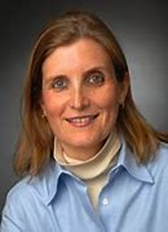
Deborah Schrag, MD, MPH | Dana-Farber Cancer Institute
Read MoreDeborah Schrag, MD, MPH, received her medical degree from Columbia University in New York in 1991. She subsequently completed her residency in Internal Medicine at Brigham and Women’s Hospital, and her fellowship in Medical Oncology at Dana-Farber Cancer Institute. She obtained a Masters in Public Health from the Harvard School of Public Health in 1998, and joined the staff of DFCI and Brigham and Women’s Hospital. From 1999 through 2007, Dr. Schrag practiced medical oncology in the Division of Gastrointestinal Oncology at Memorial Sloan-Kettering Cancer Center, where she was an Associate Member and Associate Professor of Public Health and Medicine. In 2007, she returned to DFCI and Brigham and Womens Hospital, where she is a medical oncologist and clinical investigator in the Center for Gastrointestinal Oncology. Her research focuses on utilization of new cancer treatment technologies at the population level.
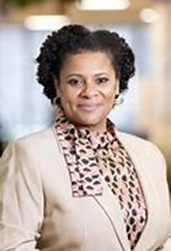
Karen Winkfield, MD, PhD | Meharry-Vanderbilt Alliance
Read MoreKaren Winkfield, MD, PhD, is the Executive Director of the Meharry-Vanderbilt Alliance, a strategic partnership between Meharry Medical College and Vanderbilt University Medical Center. Her primary responsibilities include working closely with Vanderbilt University Medical Center and Meharry Medical College to ensure their investigators have access to expert faculty collaborators, core resources and services to catalyze innovative research.
Previously, she was an associate professor of Radiation Oncology at Wake Forest University, associate director for Community Outreach and Engagement and director of the Office of Cancer Health Equity at Wake Forest Baptist Comprehensive Cancer Center. Prior to joining Wake Forest in August 2016, Winkfield was a radiation oncologist at Massachusetts General Hospital Cancer Center. She specializes in the use of radiation therapy in the treatment of hematologic malignancies (lymphoma, leukemia, multiple myeloma, bone marrow transplantation) and breast cancer. She developed the first comprehensive clinical program focused on hematologic malignancies in the Department of Radiation Oncology at Massachusetts General Hospital. With support of collaborating oncologists, she also established the first multidisciplinary clinic for patients with hematologic disorders. She’s a national expert in community engagement with research focused on the design and implementation of programming to reduce sociocultural and economic barriers that contribute to disparate health outcomes for racial/ethnic minorities and underserved populations. While at Massachusetts General, Winkfield was a co-principal investigator of a $3 million grant that established the Lazarex-MGH Cancer Care Equity Program, a program designed to improve clinical trial access and enrollment in vulnerable populations. She was responsible for the community outreach and education component of the grant. She has continued this work at Wake Forest.
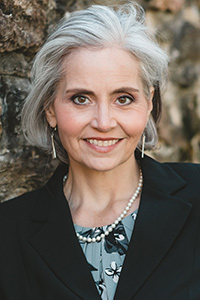
Shelley Fuld Nasso, MPP (moderator) | CEO, NCCS
Read MoreShelley is honored and humbled to serve NCCS and the millions of cancer survivors and their family members NCCS represents. She is a policy wonk and advocate and loves to empower cancer survivors to make their voices heard in Washington, DC and around the country. She joined NCCS in December 2012 and was named CEO in October 2013.
Prior to joining NCCS, Shelley served in leadership roles at Susan G. Komen, where she leveraged Komen’s grassroots network in Washington, DC and in state capitals. There she built relationships with policymakers and partner organizations and led a team of staff and volunteer leaders to influence state budgets and legislation. Shelley has also served as Director of Community Philanthropy at The Dallas Foundation and held management positions at communications and technology enterprises. She is a graduate of Rice University and holds a Master of Public Policy from the Harvard Kennedy School.
Shelley’s commitment to the work of NCCS is strongly tied to the experiences in the cancer care system of her dear friend, Dr. Brent Whitworth, a beloved physician who was diagnosed with stage IV cancer days before his 42nd birthday and who passed away 19 months later. Through Brent’s experiences, Shelley witnessed the strengths and flaws of the cancer care system and embraces the notion that policy change can make cancer care better for patients and caregivers.
Related Background Reading
Has the Pandemic Created an Opportunity for Innovation for Quality Cancer Care?
- In a Nature Cancer article early in the pandemic, Mike Richards and colleagues detailed the impact of coronavirus on cancer care and research (including clinical trials) and outlined the steps that health care systems can take to minimize the long term effects.
- In a Viewpoint piece in the Journal of the American Medical Association (JAMA) published in April 2020, Drs. Schrag, Hershman, and Basch described the impact of the pandemic on cancer care and also suggested that the pandemic might create opportunities for lasting cancer care reform.They wrote:
Many patients with cancer are concerned that their needs will be overlooked or marginalized during the COVID-19 crisis. Attending to these legitimate concerns has become, and should be, a focus. Balancing the value of cancer treatments with competing risks during a time of declining resources will increasingly present ethical and logistical challenges to clinical standards and humanism. Because most hospitals and outpatient infusion centers now prohibit visitors from accompanying patients, there is intense attention on clarifying advance directives, health care proxies, and end-of-life care preferences. Oncologists and patients must prioritize these conversations. However, the essential empathy of oncology practice will continue to transcend the new physical barriers presented by masks and telehealth.
In the space of a month, approaches and accepted norms of cancer care delivery have been transformed of necessity. Most of these changes would not have occurred without the pandemic. Although the immediate priority is to save lives, in the aftermath and recovery phase, evaluating the effects of COVID-19 on cancer mortality will be a priority. Planning for resuming cancer treatment and screening to mitigate harms is already underway. It is also likely that some changes provoked by the crisis will permanently transform how to treat cancer, in some cases perhaps for the benefit of both patients and their physicians.
- In a more recent editorial in the Journal of the American Medical Association, Melinda Buntin discusses the potential for health care reform during the pandemic. Her opinion piece, not focused on cancer only, is downloadable here.
Mental Health and Cancer Survivors
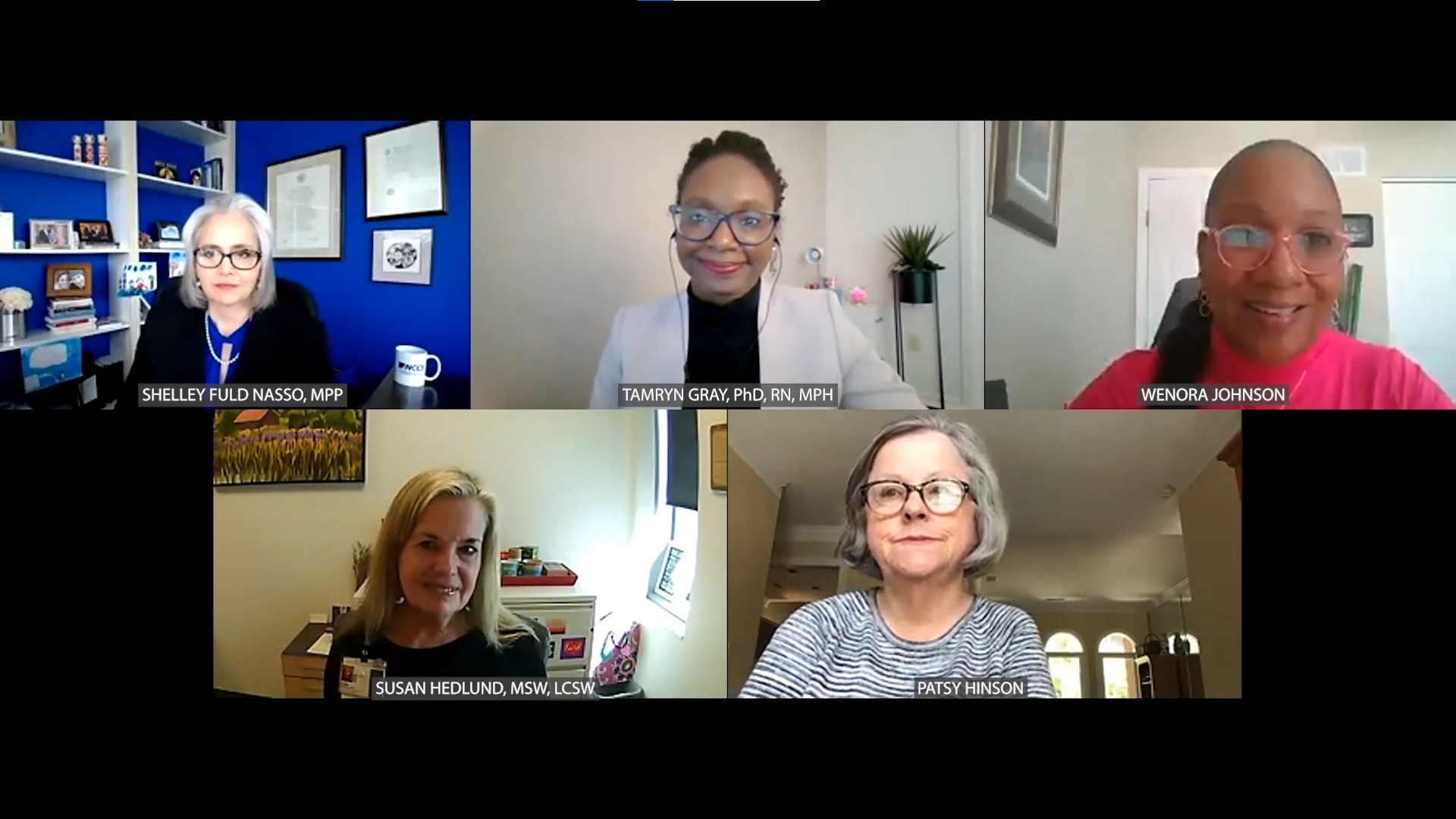
Panel Discussion
Cancer survivors — including those in active treatment, those with metastatic disease, and those in long-term survivorship — report significant mental health challenges, including depression and anxiety. They also report that the cancer care system is not always responsive to their mental health needs, or that there is poor coordination of care and communication among providers even if they receive quality mental health care services. The pandemic has exacerbated mental health issues for some, and the isolation of the pandemic has posed a challenge for all cancer survivors.
Panel Speakers
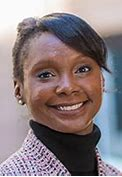
Tamryn Gray, PhD, RN, MPH | Dana-Farber Cancer Institute
Read MoreTamryn Gray, PhD, RN, MPH, is an Instructor in Medicine at Harvard Medical School within the Department of Psychosocial Oncology and Palliative Care at Dana-Farber Cancer Institute and the Department of Medicine (Division of Palliative Medicine) at BWH. She also holds joint roles as a research scientist within the Phyllis F. Cantor Center for Nursing and Patient Services Research and a clinical-administrative role as a Clinical Nurse Specialist in the Division of Stem Cell Transplantation and Cellular Therapies, Department of Medical Oncology at DFCI.
She earned her undergraduate and MSN degrees from the University of North Carolina at Chapel Hill, her MPH at Harvard T.H. Chan School of Public Health with a focus in Clinical and Social Epidemiology, and her Ph.D. from Johns Hopkins University. Dr. Gray has published peer-reviewed articles and co-authored book chapters on topics related to solid tumors, palliative care, hematologic malignancies with a special emphasis on patients undergoing hematopoietic stem cell transplantation, and family caregivers of people with cancer. She has received grant funding from the Robert Wood Johnson Foundation, Oncology Nursing Foundation, the American Cancer Society, and the Oppenheimer Family POPC Research Grants Program, and is a past Hospice and Palliative Nurses Association Research Scholar. Dr. Gray also serves as the Co-Chair for the Caregiver Special Interest Group within the American Psychosocial Oncology Society. Her clinical expertise is hematology/oncology and blood and marrow transplantation, and she spent several years practicing in these areas at Duke University Hospital.
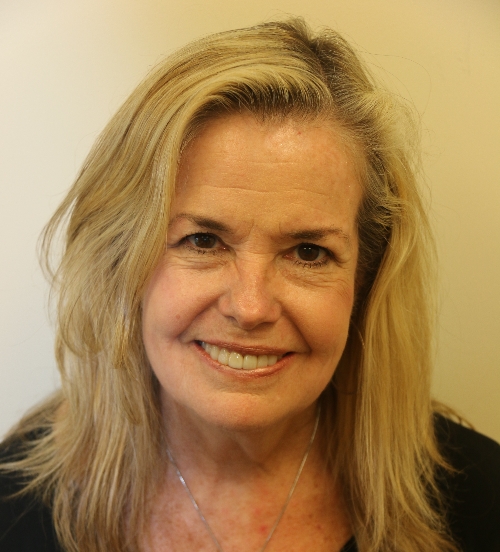
Susan Hedlund, MSW, LCSW, OSW-C | Oregon Health and Science University
Read MoreSusan Hedlund, MSW, LCSW, OSW-C, is the Director of Patient/Family Services at the Oregon Health and Science University. She has been an oncology social worker for thirty years and specializes in the development and provision of psychosocial support services for people with cancer and their loved ones. Currently she supervises adult oncology social workers at OHSU and coordinate wellness offerings of yoga, mindfulness-based stress reduction, exercise, massage, and retreats for people with cancer. Previously, she directed the cancer counseling program at Cancer Care Resources (a program of the NW Cancer Specialists), and the Palliative Care Program at Hospice and Palliative Care of Washington County.
She has spoken and written extensively about the impact of cancer on individuals and families, and on palliative and end of life care. She is a Senior Scholar for the Center for Ethics at OHSU and is a past-president of the Association of Oncology Social Work.
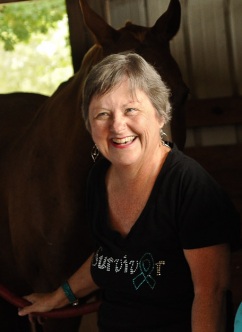
Patsy Hinson | Patient Advocate, NCCS CPAT Member
Read MorePatsy Hinson is a 15-year survivor of recurrent ovarian cancer. She is a carrier of the BRCA gene mutation, as is her daughter. At the time of her diagnosis, community resources to connect with other survivors were limited. Therefore, she developed a support group for survivors of ovarian cancer where survivors could share openly. She also started the Survivors Teaching Students Program (sponsored by the Ovarian Cancer Research Alliance) in her community and continues to be an active speaker in that program and the Woman to Woman Program. Patsy has served on the CDMRP Ovarian Cancer Research Program as a consumer reviewer. She currently serves as an equal member of a clinical trial team. Patsy believes that the emotional impact of having cancer is the hardest part of a cancer diagnosis. When first diagnosed, she authored a blog titled Cancer Emotions.
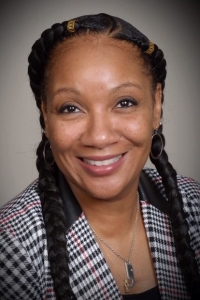
Wenora Johnson | Patient Advocate, NCCS Elevate Ambassador
Read MoreWenora Johnson is a patient advocate and an NCCS Elevate Ambassador. Wenora was diagnosed with colorectal cancer in 2011 and has since been diagnosed with two additional cancers. Her diagnoses have solidified the need to understand how patients will get the care they need for ongoing treatment. Wenora has since become a volunteer and advocate, attending several trips to Capitol Hill to speak on behalf of survivors by voicing their concerns about patient care, the future of health care, and pressing need for more mental health support. Wenora believes in continuing the conversation about ongoing financial, policy, and healthcare needs.
Shelley Fuld Nasso, MPP (moderator) | CEO, NCCS
Read MoreShelley is honored and humbled to serve NCCS and the millions of cancer survivors and their family members NCCS represents. She is a policy wonk and advocate and loves to empower cancer survivors to make their voices heard in Washington, DC and around the country. She joined NCCS in December 2012 and was named CEO in October 2013.
Prior to joining NCCS, Shelley served in leadership roles at Susan G. Komen, where she leveraged Komen’s grassroots network in Washington, DC and in state capitals. There she built relationships with policymakers and partner organizations and led a team of staff and volunteer leaders to influence state budgets and legislation. Shelley has also served as Director of Community Philanthropy at The Dallas Foundation and held management positions at communications and technology enterprises. She is a graduate of Rice University and holds a Master of Public Policy from the Harvard Kennedy School.
Shelley’s commitment to the work of NCCS is strongly tied to the experiences in the cancer care system of her dear friend, Dr. Brent Whitworth, a beloved physician who was diagnosed with stage IV cancer days before his 42nd birthday and who passed away 19 months later. Through Brent’s experiences, Shelley witnessed the strengths and flaws of the cancer care system and embraces the notion that policy change can make cancer care better for patients and caregivers.
Related Background Reading
Cancer Patients, COVID-19, and Mental Health Issues
- Islam and colleagues reported in the Journal of Oncology Practice about the mental health problems of cancer survivors during the pandemic. The article is an analysis of the COVID Impact Survey.This is the Discussion section of the article; the article can be read in full online:
- In an online question and answer document, Dr. Scott Irwin of the Patient and Family Support Program at Cedar-Sinai Cancer, addressed the mental health issues that cancer survivors have faced during the coronavirus pandemic. The document includes links to resources of use to cancer survivors during the pandemic.
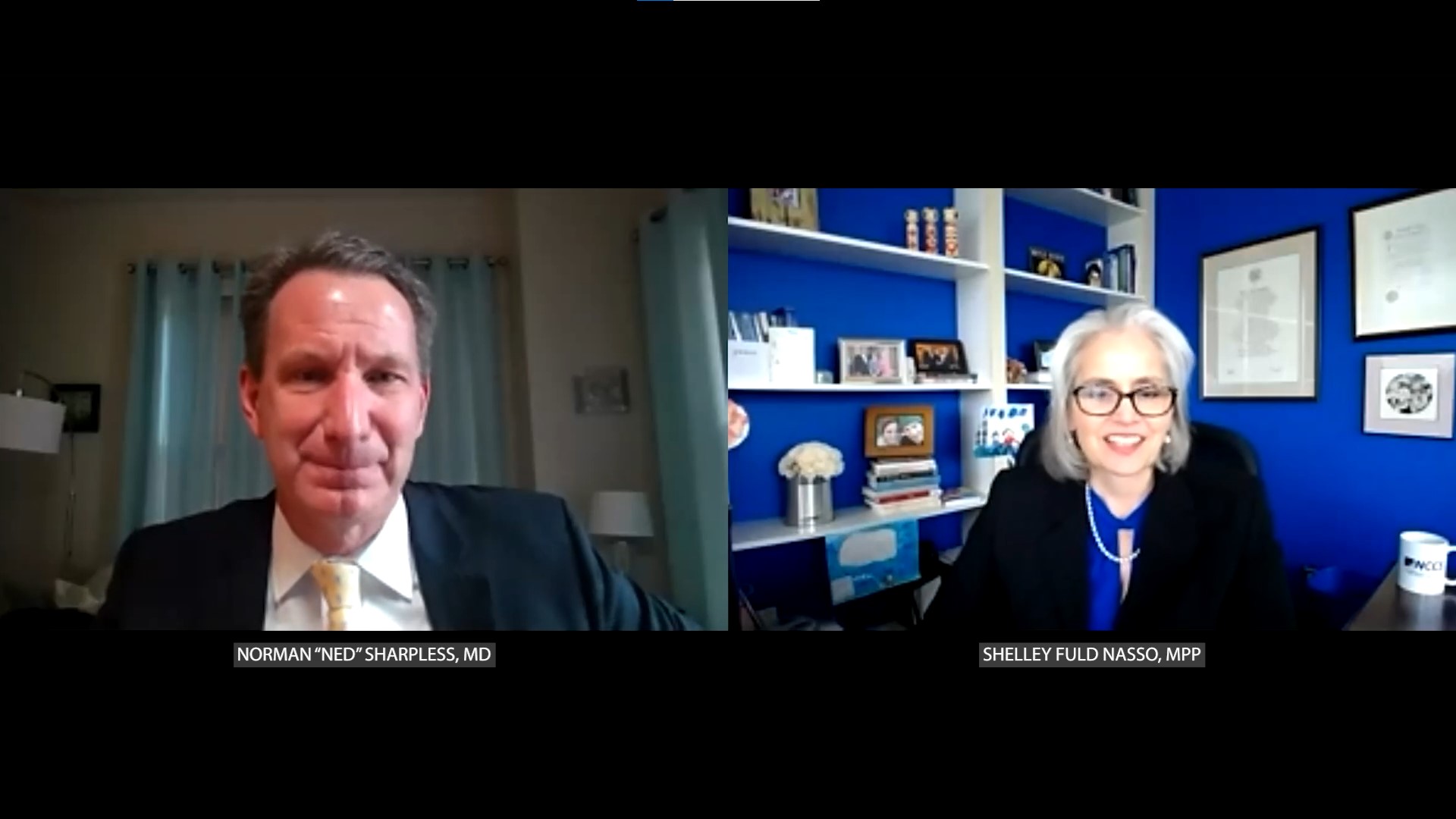
Early in the pandemic, Dr. Sharpless warned about the devastating effects of the pandemic on cancer care and research. He urged action to address the interruptions in care and research, and he led by constructive example, providing supplemental funding to support researchers losing private sector funding. He has also identified research opportunities “created” by the pandemic and encouraged investigation of these intriguing pandemic-related questions. Dr. Sharpless will share his perspective on coronavirus and cancer, how the National Cancer Institute (NCI) is coping through the pandemic, and pandemic-related initiatives that should continue after the pandemic.
Slide Deck
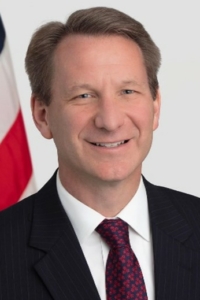
Norman E. “Ned” Sharpless, MD | Director, National Cancer Institute
Read MoreNorman E. “Ned” Sharpless, MD, was officially sworn in as the 15th director of the National Cancer Institute (NCI) on October 17, 2017. Prior to his appointment, Dr. Sharpless served as the director of the Lineberger Comprehensive Cancer Center at the University of North Carolina (UNC), a position he held since 2014.
Dr. Sharpless was a Morehead Scholar at UNC–Chapel Hill and received his undergraduate degree in mathematics. He went on to pursue his medical degree from the UNC School of Medicine, graduating with honors and distinction in 1993. He then completed his internal medicine residency at the Massachusetts General Hospital and a hematology/oncology fellowship at Dana-Farber/Partners Cancer Care, both of Harvard Medical School in Boston. After 2 years on the faculty at Harvard Medical School, he joined the faculty of the UNC School of Medicine in the Departments of Medicine and Genetics in 2002. He became the Wellcome Professor of Cancer Research at UNC in 2012. Dr. Sharpless is a member of the Association of American Physicians and the American Society for Clinical Investigation, and is a Fellow of the Academy of the American Association of Cancer Research. He has authored more than 160 original scientific papers, reviews, and book chapters, and is an inventor on 10 patents. He cofounded two clinical-stage biotechnology companies: G1 Therapeutics and Sapere Bio (formerly HealthSpan Diagnostics). Dr. Sharpless served as Acting Commissioner for Food and Drugs at the U.S. Food and Drug Administration for 7 months in 2019, before returning to the NCI directorship.
Related Background Reading
The Impact of the Coronavirus Pandemic on Cancer Research and Care
- Early in the coronavirus pandemic, National Cancer Institute (NCI) Director Norman E. Sharpless offered observations and concerns about COVID-19 and cancer in an opinion piece in Science magazine. Dr. Sharpless warned against continued delays in cancer diagnosis and care, noting the potential that the coronavirus crisis could cause additional public health crises.
- In a lengthy interview with the ASCO Post in September 2020, Dr. Sharpless offered details about the impact of the pandemic on cancer patients and the work of NCI to understand how COVID-19 is affecting cancer patients. He described the work of NCI:
We are supporting a few cancer and COVID-19 registries, including the COVID-19 and Cancer Consortium Registry (CCC19; https://ccc19.org). We have also opened our own clinical trial, the NCI COVID-19 in Cancer Patients Study (NCCAPS; https://clinicaltrials.gov/ct2/show/NCT04387656) to collect blood samples, medical information, and images from patients with cancer diagnosed with COVID-19. The study will allow us to analyze the severity of the coronavirus in these patients and the effects of the virus on cancer therapy and clinical outcomes. It will also give us the ability to perform biomarker studies to understand the prevalence of cytokine abnormalities, as well as perform germline sequencing to define genetic polymorphisms associated with severe COVID-19 disease and mortality.
So far, the registry efforts have taught us that some patients with cancer who contract COVID-19 seem to have a worse prognosis than those without cancer. For example, patients with lung cancer and those with hematologic malignancies seem to have worse outcomes, which is not surprising. We are also seeing that these patients are likely to gain access to some of the experimental medicines for COVID-19, including remdesivir, dexamethasone, and tocilizumab for COVID-19–induced cytokine-release syndrome. However, there is more to learn.
The most interesting question to me about COVID-19 clinical outcomes is why there is such a strong age disparity in outcome. I can’t think of another viral disease in which the illness is so much more lethal in an 80-year-old patient than a 20-year-old patient. There is a notion that certain types of cancer therapy, such as cytotoxic therapies like platinum-based chemotherapy and radiation therapy, cause a form of physiologic or accelerated aging, putting older patients with cancer at greater risk of death from COVID-19.
This is an interesting scientific question. The NCI and the National Institute on Aging have held joint meetings on the topic to see whether this notion is true and whether anything can be done to circumvent worse outcomes in these older patients. We have learned a lot about the clinical outcomes of this virus since March, but there are more key questions to address regarding clinical approaches to improve outcomes.
- In December 2020, Dr. Sharpless looked forward to a research rebound in 2021 and described the efforts of NCI to address pandemic-related disruptions in research.
Cancer Policy Roundtable 2021 Sponsors