• Link to Facebook
  • Link to X
  • Link to Youtube
  • Link to Instagram
  • Link to LinkedIn
  • Link to Rss this site
  • Store
  • Donate
  • About
        • About Us

        • Cancer Nation is the oldest cancer survivor-led non-profit organization in America. We advocate for quality cancer care for all touched by cancer.

        • About NCCS

        • Our Mission
        • What is Advocacy?Learn about the different types of cancer advocacy, from personal advocacy to public interest advocacy.
        • Our HistoryRead how Cancer Nation’s leaders coined the term “cancer survivor,” and established the nation’s first survivor-led non-profit organization.
        • Our Team
        • Financial Information
        • Employment
        • Contact Us
        • Support Our Mission

        • Make A GiftSupport our mission of quality cancer care for all with a gift to Cancer Nation.
        • The 1986 ClubMake a monthly commitment to support Cancer Nation, empower cancer survivors, and advance public policy.
        • Ways to GiveLearn about other ways you can contribute to Cancer Nation such as planned giving, employer matches, shopping online, and more.
        • Partnerships
  • News
    • Cancer Nation News
    • Advocate SpotlightEach month, Cancer Nation highlights a cancer survivorship advocate, sharing their story and the work they do in their communities.
    • Policy CommentsRead Cancer Nation’s comments to Congress, HHS, and other federal policymakers in Washington, DC on proposed rules and legislation.
    • Issue StatementsRead Cancer Nation statements on pressing issues and developments in Washington affecting cancer survivors and their families.
  • Policy
        • Policy

        • Public policy is government action, in the form of legislation, regulation, funding, and other actions. Public policy affects people with cancer and the cancer care system in many ways.

        • Our Policy Priorities

        • Quality Cancer CareQuality cancer care is essential for patients. Learn how Cancer Nation and others define quality.
        • Access to CareCancer Nation believes cancer care and clinical trials should be affordable and accessible to everyone.
        • Health EquityThe cancer experience is not the same for everyone. Cancer Nation works on policy efforts to reduce disparities in outcomes.
        • Current Issues

        • Protecting Access to Medicaid for Cancer Survivors
        • Comprehensive Cancer Survivorship Act (CCSA)The CCSA is a large comprehensive bill introduced in Congress that aims to improve quality of care in all stages of a diagnosis.
        • Cancer Care Planning and Communications Act (CCPCA)CCPCA is a bill that would provide a billable Medicare service code for cancer care planning.
        • DIEP Flap AccessCancer Nation advocates for protection of access to DIEP Flap Breast Reconstruction Surgery for all breast cancer survivors.
        • Policy CommentsRead Cancer Nation’s comments to Congress, HHS, and other federal policymakers in Washington, DC on proposed rules and legislation.
        • Issue StatementsRead Cancer Nation statements on pressing issues and developments in Washington affecting cancer survivors and their families.
        • Quality Measurement Research
  • Get Involved
        • Get Involved

        • Whether you’re new to cancer advocacy or already have experience as an advocate, there are numerous ways you can get involved with Cancer Nation.

        • Join Cancer Nation

        • Cancer Nation AdvocatesA program that brings together individuals who care about cancer care to learn how policy shapes our health care system—and how we can improve it together.
        • Cancer Nation Leadership AcademyEmerging leaders improving cancer care in their communities.
        • Cancer Nation Corporate Council
        • Advocacy OpportunitiesThis page provides a list of upcoming events, webinars, conferences, and advocacy campaigns from Cancer Nation and other leading cancer organizations.
        • Connect with Us

        • Subscribe to Cancer Nation Updates
        • Follow Cancer Nation on Social Media
        • Survivor Stories
        • Cancerversary
        • Support Cancer Nation

        • Make A Gift
        • Ways to Give
        • The 1986 Club
  • Survivorship Survey
        • State of Survivorship Survey

        • Cancer Nation conducts an annual State of Survivorship Survey, in partnership with Edge Research, to explore the cancer patient and survivor journey. This study captures a range of perspectives to better understand how Cancer Nation can support its mission to advocate for quality cancer care for all.

        • Reports by Year

        • 2025 Survey Report
        • 2024 Survey Report
        • 2023 Survey ReportThe 2023 Survey explored the caregiver experience for the first time, and features new data on the effect of cancer treatment on employment.
        • 2022 Survey ReportThe 2022 Survey found significant disparities in cancer care that impact people of color, young adults, women, and those with metastatic cancer, at higher rates.
        • 2021 Survey ReportThe 2021 Survey demonstrated that when patients receive quality care, have excellent support, and have financial resources, they are more likely to have positive outcomes.
        • 2020 Survey ReportIn the 2020 Survey, survivors reported that their care team is not helpful at addressing some common side effects of their cancer such as fatigue, anxiety, and depression.
  • Survivorship Checklist
        • Cancer Survivorship Checklist

        • The Cancer Survivorship Checklist is designed to be a simple, straightforward tool patients and caregivers can use as a guide for information critical to their care wherever they are on the cancer care continuum.

        • Start Your Cancer Survivorship Checklist
        • Survivorship Checklist Guide for Clinicians
        • Resources for Cancer Survivors

        • Survivorship ResourcesA collection of resources that provide information about navigating the cancer journey.
        • Cancer RehabilitationA supportive health care service that helps improve a person’s functioning during and after cancer treatment.
        • Integrative OncologyA field that combines traditional cancer treatments with therapies that support a person’s natural healing ability.
        • Palliative CareSpecialized medical care for people living with a serious illness that provides relief from the symptoms and stress to improve their quality of life.
        • Cognitive HealingA resource to support cognitive functioning after cancer treatment. Includes cognitive training strategies and tools for both adults and children.
  • Resources
        • Resources

        • Cancer Nation provides a wide variety of resources for patients, caregivers, and health care professionals.

        • Resources for Survivors and Caregivers

        • Health Insurance & Open Enrollment
        • Cancer Survival ToolboxA free, award-winning audio program created by leading cancer organizations to help people better meet & understand the challenges of their illness.
        • Ina® The Intelligent Nutrition Assistant
        • Telehealth
        • Care Planning for Cancer Survivors
        • Remaining Hopeful
        • Self Advocacy
        • Talking With Your Doctor
        • Taking Charge of Your Care
        • Order Our Resources
        • Resources for Health Care Professionals

        • Tools For Care Providers
        • Telehealth Project
        • Survivorship Champions Webinars
        • Survivorship Checklist Guide for Clinicians
  • Events
    • 2026 Cancer Nation Summit
    • Igniting Hope Awards Reception
    • Ellen L. Stovall Award
      • 2025 Winners
      • Awardees
      • Nominations
      • Committees
    • Cancer Nation Webinars
    • Cancer Nation Policy Roundtable
      • Fall 2025
      • Spring 2025
      • Fall 2024
      • Spring 2024
      • Fall 2023
      • Spring 2023
  • 0

NCCS is now Cancer Nation. Find out more about our next chapter.    Join Us

Coronavirus feat

COVID-19 Vaccines and Cancer: A Conversation with Cancer Expert Otis Brawley, MD

March 1, 2021/in Cancer Nation News, Cancer News COVID-19, Quality Cancer Care Cancer Nation News

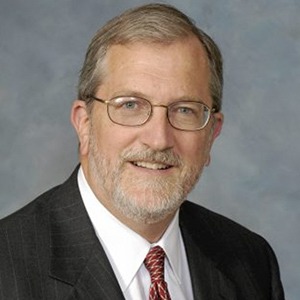
The National Coalition for Cancer Survivorship (NCCS) hosted a conversation on February 23 about COVID-19 vaccines with cancer control expert and Bloomberg Distinguished Professor at Johns Hopkins University, Otis Brawley, MD.

Two COVID-19 vaccines have been approved, with more vaccine candidates on the horizon. What do the vaccines mean for people with a history of cancer? NCCS CEO Shelley Fuld Nasso sat down with Dr. Brawley to ask questions from survivors and advocates, and to learn what we know about the COVID-19 vaccines.

Most importantly, Dr. Brawley said those with a history of cancer should get the first vaccine they can:

We don’t yet have data to show that any vaccine is biologically better for cancer patients versus another… My advice is get the vaccine that you can get. I would advise if you get Moderna as a first shot, try to get Moderna as your second shot. If you get Pfizer’s as a first shot, try to get Pfizer’s second shot. However, the CDC has said, if you’re in a pinch and you’ve got Moderna and there’s no Moderna available for the second shot, it’s okay to get the Pfizer or vice versa, but all of us would prefer people stick with the same vaccine.

Dr. Brawley cautioned, however, that everyone should talk to their doctor: “Every person’s going to have to talk to their doctor about their specific circumstance. There are some instances where there’s some people who are under therapy and they should not get the vaccine right now.”

We’ve highlighted some of the most important parts of the conversation below. Or watch the full video at the bottom of the post.

Top Questions

  1. Should cancer patients take whichever vaccine they are offered, or are any of the vaccines better?
  2. What is it that makes cancer patients at higher risk for COVID-19?
  3. What do you say to those hesitant to take the vaccine and concerned that they were approved so quickly?
  4. After being vaccinated, what is safe and what precautions still need to be taken?
  5. When you look at the data, do you see any encouraging trends about getting Black Americans vaccinated?
  6. When will the vaccine be available for kids? Should we prioritize childhood cancer survivors over other kids?

Watch the Full Conversation


Should cancer patients take whichever vaccine they are offered, or are any of the vaccines better for cancer patients?

At this juncture, we don’t have data to show that any vaccine is biologically better for cancer patients versus another. I personally think that the J and J vaccine, if approved, might be better because it’s only one shot. It’s not better biologically, it’s just easier to administer in a treatment regimen. But we don’t have evidence that one is better than the other. My advice is get the vaccine that you can get. I would advise if you get Moderna as a first shot, try to get Moderna as your second shot. If you get Pfizer’s as a first shot, try to get Pfizer’s second shot. However, the CDC has said, if you’re in a pinch and you’ve got Moderna and there’s no Moderna available for the second shot, it’s okay to get the Pfizer or vice versa, but all of us would prefer people stick with the same vaccine.


What is it that makes cancer patients at higher risk? Is it the cancer itself or is it treatments for cancer? And if it’s the treatments, which treatments make patients more vulnerable?

The people who are at risk for contracting the disease are people who have a lowered immune system. Now that lowered immune system can sometimes come about because of cancer treatment. Say people who have solid tumors, colorectal cancer, or breast cancer, their immune system is relatively intact. When we start giving them chemotherapy, their immune system is damaged. One of the side effects of treating the cancer. People have lymphoma and leukemia on the other hand, that’s a cancer of the immune system. Their immune system has a problem to begin with. So the approach to coronavirus should be different between the two. We have a lot of data to show that people who have leukemia, especially who get coronavirus are more likely to have bad outcomes. Most people do well, but they’re more likely to have bad outcomes compared to the people who have solid tumor disease. People who have solid tumor disease who are cured are at essentially the same risk as people who are of the same age and basic health. And the people who have treatment. Now, people who are getting treated with drugs that specifically target B cells that make immunoglobulin are at especially higher risk for Coronavirus. B cell treatments are common in leukemia and lymphoma.


What do you say to people who are hesitant to take the vaccine and concerned that they were approved so quickly?

Yeah, well, the education, I think is the most important part and folks who are hesitant to get the vaccine while I respect their hesitancy, I’ll tell them, everyone that I talked to who’s gotten the vaccine is of the belief that getting COVID is far worse. They haven’t talked to people who’ve gotten COVID. Getting COVID is far worse than getting the vaccine. Now that being said, there’s a lot of people say, how is it that this vaccine was the virus was discovered last December of 2019, we had a vaccine candidate by May of 2020, and now we’re giving it, you said 19 million people have gotten both vaccinations complete? Well, let me explain. It didn’t take six months to develop that vaccine. It took 50 years. Those of us who work in the world of cancer and oncology should be able to understand much of the science that went into developing the vaccine and understanding this disease were things that were developed in the war on cancer.

And it’s very much related to Richard Nixon signing the National Cancer Act in 1971. You know, the fact that we had a problem and, a problem in China, within 45 days and realizing that problem in China, they published for the world on the internet, the RNA sequence. The fact that we use these messenger RNA viruses, those were developed 20 years ago in cancer work. Some of the drugs, the recombinant DNA, the Remdesivir, I’m sorry, recombinant antibodies, the remdesivir to block replication. These were all things that were all developed out of cancer work. And so one could really say it took a long time to develop the vaccine. A lot of the work was done well before we actually knew there was a virus out there. And I’ve looked at the studies, the studies have been done very, very well. There’s an argument that the Moderna and Pfizer vaccines have been researched better than most that are FDA approved.


After being vaccinated, what is safe and what precautions still need to be taken?

I believe that people who are aware and the CDC currently recommends that people who have been vaccinated still wear masks, social distancing, and hand washing. Keep in mind. The vaccine is not 100, never was 100% effective. And with the British and South African variants now in the United States, it’s probably less than 95% effective for Moderna and for Pfizer. So I recommend that people who had been vaccinated first feel a little bit more relief, but don’t let your guard down. And there are some people who said, if you’re in a group of folks who all have been vaccinated, you can let your guard down a little bit more. I’m a little worried about that because early in this conversation, I admitted to you. There’s some people who get vaccinated and the vaccine just doesn’t take. Doesn’t work for them, especially I worry, especially about people that have B cell disorders. And so I think that those of us who are vaccinated still should do the socially responsible thing, wear a mask, do as much social distancing as possible and wash your hands. Now seeing the grandkids from a distance, let’s do it from a distance.


We talked about disparities in outcomes and higher drop in life expectancy for Black Americans. When you look at the data, do you see any encouraging trends about getting Black Americans vaccinated?

The drop in life expectancy in Blacks and Hispanics is primarily because Blacks and Hispanics have high rates of COVID, and they have high rates of COVID because they disproportionately work jobs that don’t allow for social distancing. The data that I have, it varies around the country. I personally think that we shouldn’t worry too much about Black hesitancy to take the vaccine, that as more and more people take the vaccine and do well after taking the vaccine, Blacks and others who are hesitant to take the vaccine will start getting in line. They just don’t want to be first. And I totally understand their concerns. I totally understand their suspicions. I’ve been outspoken that we in medicine have worked long and hard to deserve some of those suspicions. But I, along with 49 other black members of the National Academy of Medicine, recently filmed an advertisement encouraging people to get vaccinated when their turn comes. So I’m very pro-vaccine, but I think we should be patient with the folks who are hesitant to get the vaccine. Most of them, I think will eventually come around to, “I want to get the vaccine.”


When will the vaccine be available for kids and is there a reason to prioritize childhood cancer survivors over other kids?

We are doing the bridging studies right now, bridging studies are when you do approve something, or prove something works in adults, you then start doing studies to figure out if they work in kids. We want to make sure that the vaccine is safe and effective in adults before we start looking to see if it’s safe and effective in children. My gut feeling, and this is an opinion, this is not based on any science fact, is that childhood cancer survivors in childhood should be prioritized ahead of other kids. However, one of the most common cancers in childhood are those leukemias and lymphomas that affect the immune system. So we need to be very cautious there. Now, childhood cancer survivors who are adults should definitely get this vaccine right now. That’s a group of people that is growing in size, by the way. And unfortunately the average childhood cancer survivor, who is in their twenties or thirties has five different comorbid diseases related to the treatment that cured them or the disease that they were cured. And so this is a population that has a lot of comorbid problems. They, in my mind, definitely should be prioritized early amongst adults to get this vaccine.
Share this entry
  • Share on Facebook
  • Share on X
  • Share on WhatsApp
  • Share on LinkedIn
https://canceradvocacy.org/wp-content/uploads/2020/03/Coronavirus-feat.jpg 600 1200 NCCS Staff https://canceradvocacy.org/wp-content/uploads/CancerNation_Logo_Stacked_TwoColor.svg NCCS Staff2021-03-01 11:49:192021-03-02 16:15:47COVID-19 Vaccines and Cancer: A Conversation with Cancer Expert Otis Brawley, MD

Latest News

A graphic showing the Medicaid.gov website

Cancer Nation Statement: Medicaid Work Requirements Will Unfairly Burden Cancer Survivors

June 4, 2026
Cancer Nation strongly supports a health care system free of waste, fraud, and abuse. Health care resources must be directed to delivery…
Read more
https://canceradvocacy.org/wp-content/uploads/Stock-Medicaid-website-Adobe-927192378.jpg 675 1200 NCCS Staff https://canceradvocacy.org/wp-content/uploads/CancerNation_Logo_Stacked_TwoColor.svg NCCS Staff2026-06-04 12:56:142026-06-05 13:42:09Cancer Nation Statement: Medicaid Work Requirements Will Unfairly Burden Cancer Survivors
Image with graphics and text that reads Cancer Nation Understanding Blood-Based Testing in Cancer Care | Watch Now | With Support From: Guardant Health Logo

Webinar – Understanding Blood-Based Testing in Cancer Care

May 29, 2026
Cancer Nation's Webinar Series presents a clear, practical conversation about advances in blood-based testing and how they're shaping…
Read more
https://canceradvocacy.org/wp-content/uploads/Blood-Based-Testing-Webinar-post.jpg 675 1200 NCCS Staff https://canceradvocacy.org/wp-content/uploads/CancerNation_Logo_Stacked_TwoColor.svg NCCS Staff2026-05-29 11:28:002026-05-29 11:28:00Webinar – Understanding Blood-Based Testing in Cancer Care
a picture of susie leigh similing wearing a purple top. Words over the photo read In loving memory, Susie Leigh, Cancer Nation Co-founder, 1947-2026

Remembering Susie Leigh: A Founder, a Force, and a Friend

May 28, 2026
Susan (Susie) Leigh, BSN, RN-Retired — one of the founding members of Cancer Nation, a five-time cancer survivor, and one of the…
Read more
https://canceradvocacy.org/wp-content/uploads/Susie-Leigh-In-Memory-blog.jpg 900 1600 NCCS Staff https://canceradvocacy.org/wp-content/uploads/CancerNation_Logo_Stacked_TwoColor.svg NCCS Staff2026-05-28 15:14:382026-06-04 14:32:40Remembering Susie Leigh: A Founder, a Force, and a Friend

Take Action

Link to: Survivorship Champions

Get Involved in Research

Cancer Nation conducts an annual Survivorship Survey to explore how patients and survivors are living with, through, and beyond cancer. This study captures a range of perspectives to better understand how Cancer Nation can support its mission to advocate for quality cancer care for all.

Learn More and Request Data Here »
Link to: Cancer Nation Advocates

Join Cancer Nation Advocates

Cancer Nation Advocates is a a program that brings together individuals who care about cancer care to learn how policy shapes our health care system—and how we can improve it together

Learn More and Join »
Link to: Survivor Stories

Share Your Story

Cancer Nation represents the millions of Americans who share a common experience – living with, through and beyond a cancer diagnosis. By sharing your story of how you have been touched by cancer, you are supporting the national cancer survivorship movement.

Share Your Story »
  • About
    • Our Mission
    • What is Advocacy?
    • Our History
    • Our Team
    • Financial Information
    • Employment
    • Contact Us
    • Make A Gift
    • The 1986 Club
    • Ways to Give
    • Partnerships
  • News
    • Cancer Nation News
    • Advocate Spotlight
    • Policy Comments
    • Issue Statements
  • Policy
    • Quality Cancer Care
    • Access to Care
    • Health Equity
    • Protecting Access to Medicaid for Cancer Survivors
    • Comprehensive Cancer Survivorship Act (CCSA)
    • Cancer Care Planning and Communications Act (CCPCA)
    • DIEP Flap Access
    • Policy Comments
    • Issue Statements
    • Quality Measurement Research
  • Get Involved
    • Cancer Nation Advocates
    • Cancer Nation Leadership Academy
    • Cancer Nation Corporate Council
    • Advocacy Opportunities
    • Subscribe to Cancer Nation Updates
    • Follow Cancer Nation on Social Media
    • Survivor Stories
    • Cancerversary
    • Make A Gift
    • The 1986 Club
    • Ways to Give
  • Survivorship Survey
    • 2025 Survey Report
    • 2024 Survey Report
    • 2023 Survey Report
    • 2022 Survey Report
    • 2021 Survey Report
    • 2020 Survey Report
  • Survivorship Checklist
    • Start Your Cancer Survivorship Checklist
    • Survivorship Resources
    • Cancer Rehabilitation
    • Integrative Oncology
    • Palliative Care
    • Cognitive Healing
    • Survivorship Checklist Guide for Clinicians
  • Resources
    • Cancer Survival Toolbox
    • Telehealth
    • Health Insurance & Open Enrollment
    • Care Planning for Cancer Survivors
    • Ina® The Intelligent Nutrition Assistant
    • Remaining Hopeful
    • Self Advocacy
    • Talking With Your Doctor
    • Taking Charge of Your Care
    • Order Our Resources
    • Tools For Care Providers
    • Telehealth Project
    • Survivorship Champions Webinars
    • Survivorship Checklist Guide for Clinicians
  • Events
    • 2026 Cancer Nation Summit
    • Igniting Hope Awards Reception
    • Ellen L. Stovall Award
      • 2025 Winners
      • Awardees
      • Nominations
      • Committees
    • Cancer Nation Webinars
    • Cancer Nation Policy Roundtable
      • Fall 2025
      • Spring 2025
      • Fall 2024
      • Spring 2024
      • Fall 2023
      • Spring 2023
  • Search
  • Cart

Charity Navigator Four-Star Rating

Cancer Nation Logo

Cancer Nation
8455 Colesville Road  |  Suite 1025 | Silver Spring, MD 20910
info@canceradvocacy.org | (877) NCCS-YES
Privacy Policy  |  Terms and Conditions

Copyright © 1995-2026 by Cancer Nation. National Coalition for Cancer Survivorship, NCCS, Cancer Survival Toolbox, Cancerversary, and related Logos are registered in the United States as trademarks of Cancer Nation (formerly the National Coalition for Cancer Survivorship).

Link to: NCCS Joins Patient, Disability, and Health Care Organizations to Urge U.S. Supreme Court to Protect Medicaid and Rule Against Work Requirements Link to: NCCS Joins Patient, Disability, and Health Care Organizations to Urge U.S. Supreme Court to Protect Medicaid and Rule Against Work Requirements NCCS Joins Patient, Disability, and Health Care Organizations to Urge U.S. Supreme...NCCS CancerAdvocacy.org Link to: NCCS Recommends That States Allocate COVID-19 Vaccines to Cancer Care Providers Link to: NCCS Recommends That States Allocate COVID-19 Vaccines to Cancer Care Providers CDC HeadquartersNCCS Recommends That States Allocate COVID-19 Vaccines to Cancer Care Provi...
Scroll to top Scroll to top Scroll to top

This website uses cookies to improve user experience. By continuing to use this site, you agree to our Privacy Policy. Learn More.

Get Updates From Cancer Nation

Be the first to hear about cancer policy and survivorship issues! Subscribe and receive the twice-monthly Cancer Nation News, invites to webinars and events, and more.

  • This field is for validation purposes and should be left unchanged.

Connect With Us

Twitter     Facebook     Instagram     LinkedIn     YouTube

Harmar Brereton, MD

Founder
Northeast Regional Cancer Institute


“Perhaps one of the most impactful collaborations in Dr. Brereton’s extraordinary career remains his early work and long friendship with Ellen Stovall. Through him, and in turn through the thousands of lives he has touched, Ellen’s work continues, and her mission lives on.”

—Karen M. Saunders
President, Northeast Regional Cancer Institute